
Summary
Tamil Nadu Chief Minister M.K. Stalin has raised concerns over a recent directive from the Central Government regarding the state's farming sector. The Centre has advised the Tamil Nadu government to stop providing additional financial incentives to paddy farmers. In response, the Chief Minister has firmly stated his commitment to the farming community by promising a significant increase in the procurement price of paddy. This move is part of the state's broader "Dravidian Model 2.0" plan, which focuses on rural growth and farmer welfare.
Main Impact
The primary impact of this development is a growing disagreement between the state and central governments over agricultural subsidies. If the state stops its incentives as requested by the Centre, farmers could see a drop in their immediate income. However, Stalin’s promise to push the procurement price to ₹3,500 per quintal represents a major shift in policy. This target is much higher than current rates and could provide a massive financial cushion for millions of families who depend on rice farming for their livelihood.
Key Details
What Happened
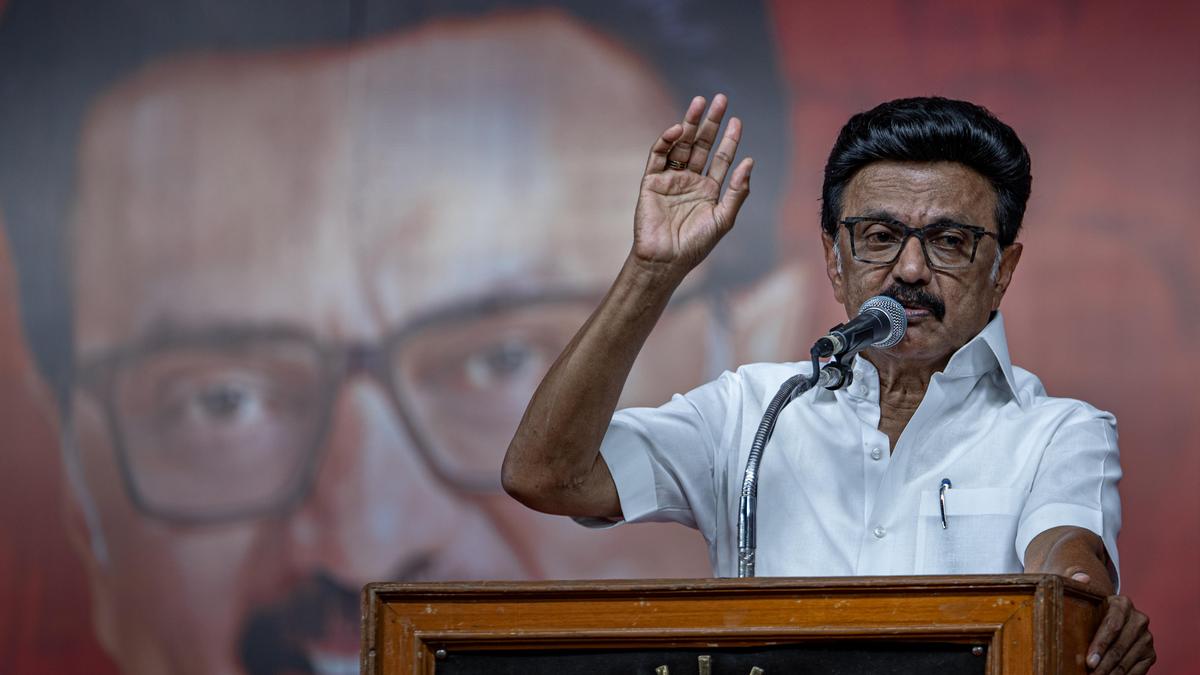
During a recent public event, Chief Minister Stalin revealed that the Union Government sent a message advising the state to halt its practice of giving extra money to paddy farmers. Usually, the Central Government sets a Minimum Support Price (MSP) for crops across the country. Many states, including Tamil Nadu, add their own bonus or incentive on top of this price to help local farmers cover their costs. The Centre now wants to end these extra payments to keep prices uniform across India. Stalin has rejected this idea, viewing it as a move that would hurt the rural economy.
Important Numbers and Facts
The most significant figure in this announcement is the target price of ₹3,500 per quintal. A quintal is equal to 100 kilograms. Currently, the price paid to farmers is much lower, and reaching this new goal would require a substantial increase in state spending. Additionally, the Chief Minister used the occasion to criticize the rising costs of commercial gas cylinders. He pointed out that these price hikes make it harder for small businesses and ordinary people to manage their daily expenses.
Background and Context
Paddy farming is the most important part of Tamil Nadu's agriculture. The state is known for its vast rice fields, especially in the delta regions where water from the Cauvery River is used for irrigation. For decades, the state government has played a direct role in buying rice from farmers to ensure they get a fair deal. This system helps prevent farmers from being exploited by private buyers who might offer very low prices. The "Dravidian Model" is the name the current government uses to describe its focus on social welfare and helping the poor. By moving into "Version 2.0" of this model, the government wants to show that it is doubling down on its promises to the working class.
Public or Industry Reaction
Farmers' unions have reacted with a mix of hope and caution. While the promise of ₹3,500 per quintal is very popular, some experts are asking how the state will find the money to pay for it. On the other hand, the criticism of the Central Government has resonated with many people. Small restaurant owners and street food vendors have been struggling with the high cost of gas cylinders, and they appreciate the Chief Minister speaking out on their behalf. The political tension between the state and the Centre is also a major talking point, as it shows a clear difference in how the two levels of government view economic support.
What This Means Going Forward
In the coming months, we can expect more debates between Chennai and New Delhi. If Tamil Nadu goes ahead with its plan to increase paddy prices, it might face challenges in how it coordinates with national food agencies. There is also the question of whether other states will follow Tamil Nadu's lead and demand higher prices for their own farmers. For the people of Tamil Nadu, the focus will be on whether the government can actually deliver the ₹3,500 price point in the next harvest season. This will be a major test for the state's budget and its ability to protect local interests.
Final Take
The decision to stand by paddy farmers despite pressure from the Centre shows a strong political will to prioritize the local economy. By setting a high target for procurement prices, the Tamil Nadu government is making a bold statement about the value of agricultural work. While the path to reaching ₹3,500 per quintal may be difficult, the promise itself offers a sense of security to a farming community that often faces unpredictable weather and rising costs. The outcome of this policy will likely shape the state's economic and political future for years to come.
Frequently Asked Questions
What is the new price promised for paddy in Tamil Nadu?
Chief Minister Stalin has promised to increase the procurement price of paddy to ₹3,500 per quintal as part of the Dravidian Model 2.0 government.
Why did the Central Government advise Tamil Nadu to stop incentives?
The Centre wants to maintain a uniform price for crops across all states and believes that extra state incentives can interfere with the national pricing system.
What other issues did the Chief Minister mention?
Besides paddy prices, Stalin criticized the Central Government for the rising prices of commercial gas cylinders, which affects small businesses and the public.



