
Summary
A new debate has emerged in Tamil Nadu regarding the length of time the state’s top police officer should stay in his position. The Election Commission of India recently appointed a new Director General of Police (DGP) to oversee law and order during the election period. However, the official order did not state how long he would remain in the role. This has led to legal questions about whether he should serve a full two-year term or if his stay is only temporary until the elections are over.
Main Impact
The main issue centers on the stability of police leadership in the state. Usually, a police chief is expected to serve for at least two years to ensure they can carry out their duties without fear of being moved quickly by politicians. Because this appointment was made by the Election Commission rather than the state government, there is confusion about which rules apply. If the officer stays for two years, it limits the state government’s power to choose its own leader later. If he is removed right after the election, it might go against previous court rulings intended to protect police officers from sudden transfers.
Key Details
What Happened
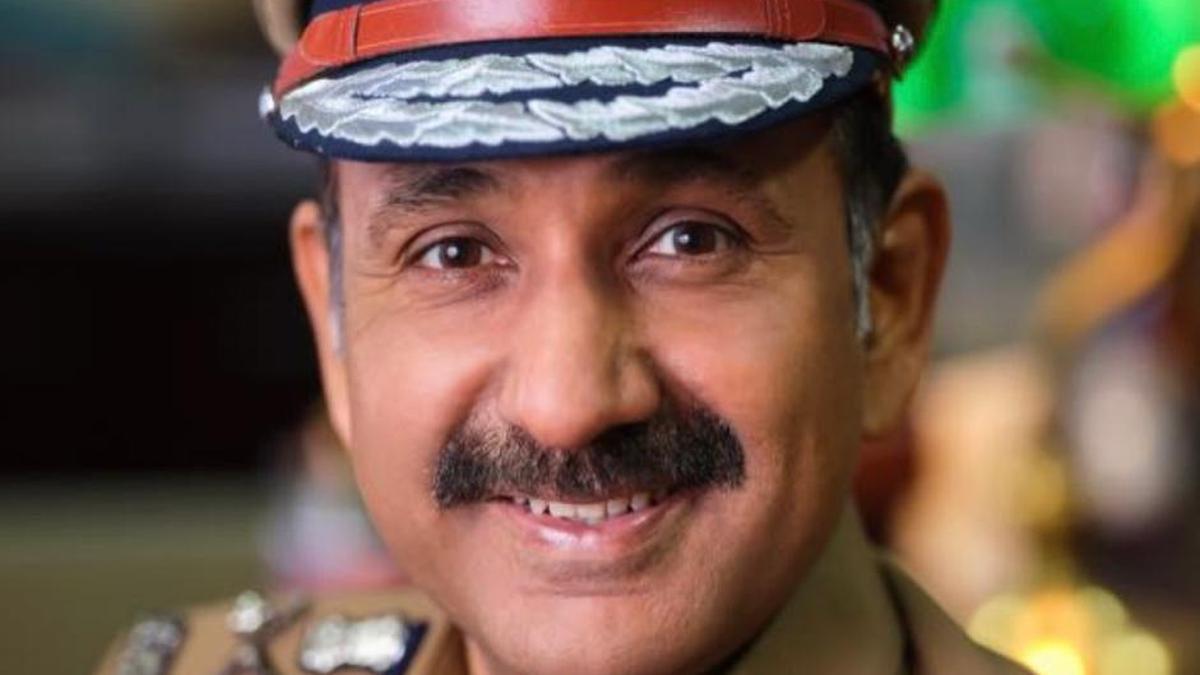
The Election Commission of India (ECI) stepped in to appoint Sanjay Rathore as the head of the police force in Tamil Nadu. This move happened because the ECI has the power to change top officials during election season to ensure that the voting process is fair and neutral. While the appointment was clear, the paperwork did not mention a specific end date or a fixed tenure. This silence has caused lawyers and government officials to look closely at the law to see what happens next.
Important Numbers and Facts
The debate focuses on a famous legal case from 2006 known as the Prakash Singh case. In that ruling, the Supreme Court of India stated that a DGP must have a minimum tenure of two years. This was meant to stop state governments from using police chiefs as political tools. However, there is a catch: that ruling specifically talks about appointments made through a process involving the Union Public Service Commission (UPSC). Since the ECI made this appointment directly to handle election needs, it is not clear if the two-year rule must be followed.
Background and Context
To understand why this matters, one must look at how police chiefs are usually chosen. Normally, a state government sends a list of senior officers to the UPSC in New Delhi. The UPSC then picks three names, and the state chooses one of them to be the DGP. This process is designed to be transparent and fair. Once chosen this way, the officer is legally protected and should stay in the job for at least two years, even if they reach the age of retirement during that time.
During an election, the rules change. The Election Commission takes control of the administration to make sure no political party has an unfair advantage. They often move officers who they feel might be biased or if there are complaints. In this case, the ECI used its special powers to put a new person in charge. The problem is that the law does not clearly say if an "election appointment" counts the same as a "regular appointment" when it comes to the two-year guarantee.
Public or Industry Reaction
Legal experts are currently divided on the issue. Some argue that the Supreme Court’s goal was to provide stability to the police force regardless of who makes the appointment. They believe that once an officer becomes the DGP, they should get the full two years to do their job properly. They argue that frequent changes at the top can hurt the morale of the entire police department.
On the other side, many officials believe the Election Commission’s power is only for a short time. They argue that the ECI’s role is to manage the election, not to make long-term decisions for the state government. From this point of view, the state government should have the right to appoint its own choice through the proper UPSC channel once the election results are announced and the Model Code of Conduct ends.
What This Means Going Forward
This situation could lead to a legal battle in the courts. If the state government tries to replace the officer immediately after the election, the officer or other interested parties might file a petition. They would likely point to the Prakash Singh ruling to stay in the position. This would force the courts to decide if the ECI has the authority to trigger a two-year tenure or if their appointments are strictly for the duration of the voting process.
The outcome will set a major example for other states in India. If the court decides that ECI appointments must last for two years, it would give the Election Commission even more influence over state administrations. If the court decides otherwise, it confirms that the state government keeps the final say over who leads its police force in the long run.
Final Take
The debate in Tamil Nadu highlights a gap between election laws and police reform rules. While the goal of the Election Commission is to ensure a fair vote, the goal of police reform is to ensure a stable and independent police force. Balancing these two needs is difficult. Until a clear legal decision is made, the tenure of the current police chief remains a question mark that could affect how the state is governed in the coming months.
Frequently Asked Questions
Why did the Election Commission appoint the police chief?
The Election Commission has the power to appoint or transfer top officials during elections to ensure the process is fair and that no local political influence interferes with the voting.
What is the Prakash Singh case?
It is a landmark Supreme Court ruling from 2006 that ordered police reforms in India. One of its main rules is that a state police chief should have a minimum of two years in office to prevent political interference.
Does the two-year rule apply to all police appointments?
Currently, the rule is most clearly applied to appointments made through the official UPSC selection process. There is a legal debate about whether it applies to temporary appointments made by the Election Commission.



