
Summary
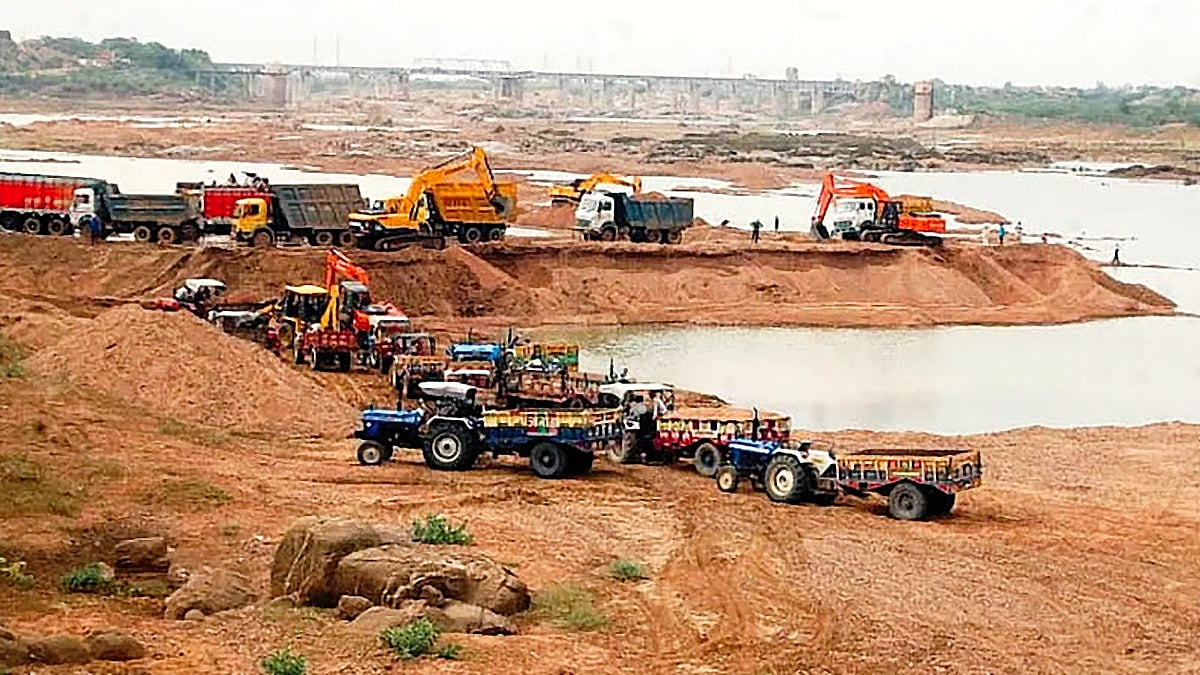
The Supreme Court of India has issued a strong warning regarding the "environmental crisis" caused by illegal sand mining in the National Chambal Gharial Sanctuary. This illegal activity is putting several endangered species at risk of disappearing forever. The court has ordered the governments of Rajasthan, Madhya Pradesh, and Uttar Pradesh to take immediate action. To stop the mining, the states must now use high-tech surveillance and strict legal measures to protect the river and its wildlife.
Main Impact
The court's intervention marks a major shift in how the government must handle environmental crimes. By calling the situation a crisis, the Supreme Court is forcing state authorities to move beyond simple warnings. The primary impact will be the introduction of constant monitoring along the Chambal River. This move is designed to break the operations of illegal mining groups that have been stripping the riverbed of sand for years. If successful, this will help restore the natural habitat for some of the rarest animals in the world.
Key Details
What Happened
A judicial bench consisting of Justice Vikram Nath and Justice Sandeep Mehta expressed deep concern over the failure of state governments to protect the sanctuary. The court noted that illegal sand mining has continued despite existing laws. The judges criticized the authorities in Rajasthan, Madhya Pradesh, and Uttar Pradesh for allowing the riverbed to be damaged. The court decided to act on its own after seeing reports of how bad the situation had become. They have now set a strict timeline for the states to report back on their progress.
Important Numbers and Facts
The National Chambal Gharial Sanctuary is a massive protected area covering about 5,400 square kilometers. It stretches along the Chambal River across three different states. The sanctuary is famous for being the home of the gharial, a unique type of crocodile that is critically endangered. It also supports the Ganges river dolphin and the red-crowned roof turtle. The court has scheduled the next hearing for May 11 to ensure that the states are following the new orders. One of the main requirements is the installation of high-resolution CCTV cameras that can send live video feeds to police and forest departments.
Background and Context
Sand is a very valuable material used in the construction of buildings and roads. Because the demand for sand is so high, illegal groups often steal it from riverbeds. This is a major problem in the Chambal region. When sand is removed from the river, it destroys the places where animals live and breed. For example, gharials need sandy banks to lay their eggs. Without this sand, they cannot reproduce, and their population drops. The Chambal River is one of the last clean rivers in northern India, making it a vital spot for nature conservation. Protecting this river is not just about the water; it is about keeping an entire ecosystem alive.
Public or Industry Reaction
The court's firm stance has already started to cause changes in the region. In Madhya Pradesh, the government has already moved to ban sand mining in the Chambal area. They have also started blocking the sale of fuel to vehicles that are not officially registered. This is a direct attempt to stop the heavy trucks used by the "sand mafia." Environmental activists have welcomed the court's decision, as they have been complaining about the lack of enforcement for a long time. Many believe that without the Supreme Court's pressure, local officials would not have taken such strong steps against the illegal mining business.
What This Means Going Forward
The three states involved must now work together more closely than ever before. Since the sanctuary crosses state lines, illegal miners often move from one state to another to avoid getting caught. The court’s order for Wi-Fi-enabled cameras means there will be a digital record of every truck moving sand. These cameras will be under the direct watch of district police chiefs and forest officers. This makes the officials personally responsible if mining continues. In the future, we can expect more arrests and the seizure of expensive mining machinery. The goal is to make illegal mining too risky and expensive for these groups to continue.
Final Take
The situation in the Chambal Sanctuary shows that laws on paper are not enough to save the environment. Real protection requires technology, constant watching, and the courage to punish those who break the law. By stepping in, the Supreme Court is sending a clear message that the survival of endangered species is more important than the profits of illegal businesses. The success of these new measures will determine whether the gharial and the river dolphin have a future in India's rivers.
Frequently Asked Questions
Why is sand mining bad for the Chambal Sanctuary?
Sand mining destroys the riverbanks where endangered animals like the gharial lay their eggs. It also changes the flow of the river and ruins the habitat for fish and dolphins.
What technology did the court order the states to use?
The court ordered the installation of high-resolution, Wi-Fi-enabled CCTV cameras. These cameras will provide live video to police and forest officials to monitor the routes used by illegal miners.
Which states are responsible for protecting the sanctuary?
The National Chambal Gharial Sanctuary is managed by three states: Rajasthan, Madhya Pradesh, and Uttar Pradesh. All three must coordinate their efforts to stop illegal activities.

