Summary
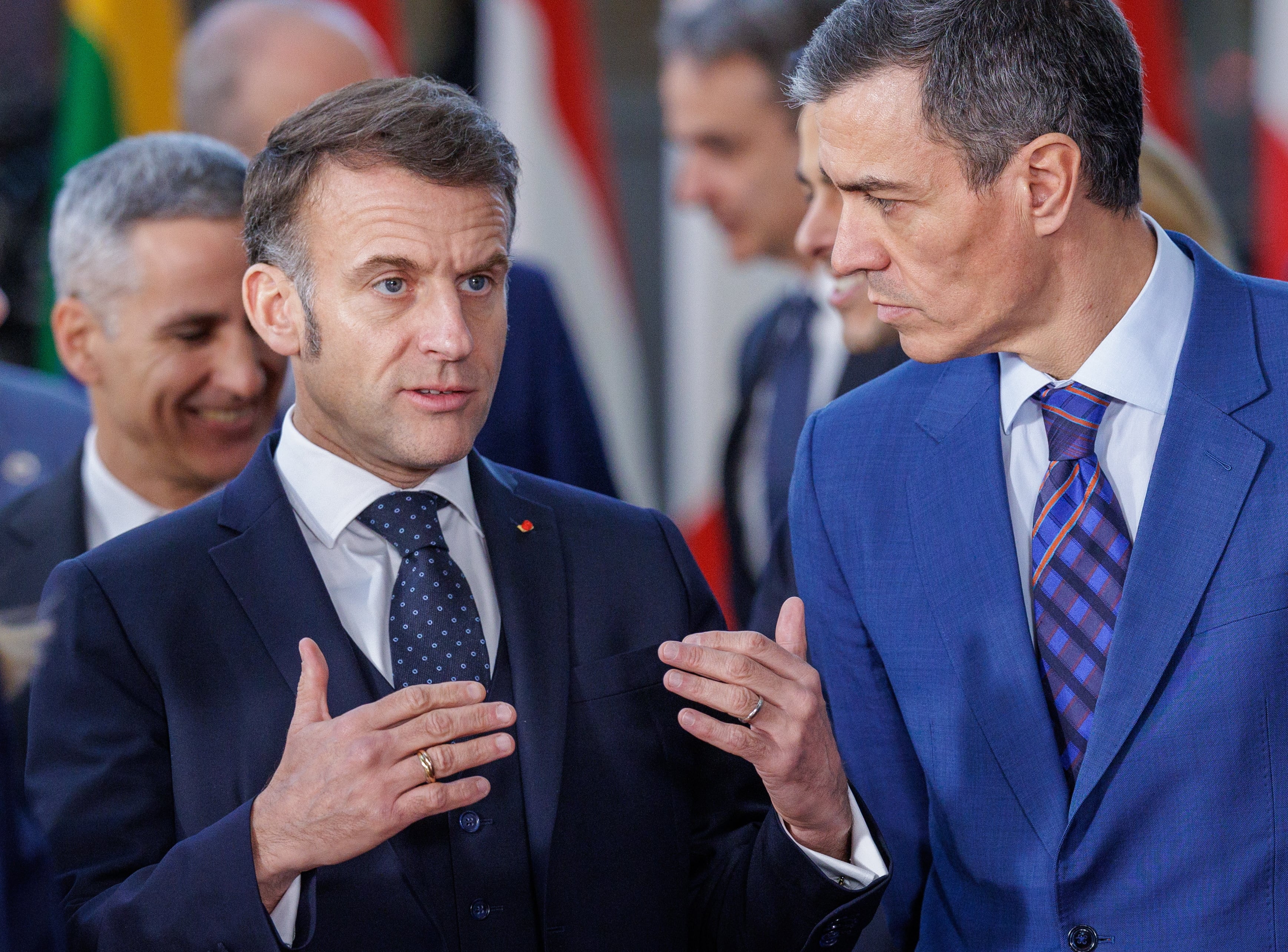
Spain's main opposition party, the Popular Party (PP), has blocked a key friendship and cooperation treaty between Spain and France in the Senate. The treaty was signed by Prime Minister Pedro Sánchez and French President Emmanuel Macron in Barcelona in January 2023. The delay means Sánchez will have to explain to Macron why the deal has not been approved when he visits Paris on July 14. It remains unclear when or if the treaty will be passed.
Main Impact
The blockage creates a diplomatic problem for Spain just days before a major visit. Prime Minister Sánchez is scheduled to attend France's national day parade in Paris on July 14 as a guest of honor. Without Senate approval, the treaty cannot move forward. This puts Sánchez in an awkward position with Macron, a key European ally. The delay also raises questions about Spain's ability to pass important international agreements when the government lacks a clear majority in the upper house.
Key Details
What Happened
The Popular Party used its majority in the Senate to block the ratification of the Treaty of Friendship and Cooperation between Spain and France. The treaty was first signed in January 2023 during a summit in Barcelona. It was meant to strengthen ties between the two countries in areas like defense, energy, and cross-border cooperation. The PP's move stops the treaty from being debated and voted on in the Senate for now.
Important Numbers and Facts
The treaty was signed over three years ago, in January 2023. The next key date is July 14, 2026, when Sánchez will meet Macron in Paris. The PP holds a majority in the Senate, which gives it the power to block legislation. The treaty is seen as a major diplomatic step, similar to the one between France and Germany. Without Senate approval, Spain cannot formally adopt the agreement.
Background and Context
The Treaty of Friendship and Cooperation was meant to deepen the relationship between Spain and France, two of the largest countries in the European Union. It covers many areas, including joint military projects, energy links, and cultural exchanges. The treaty was compared to the Élysée Treaty between France and Germany, which has been the foundation of their close partnership for decades. Approval requires a vote in both the Spanish Congress and Senate. While the Congress has already given its support, the Senate blockage stops the process.
Public or Industry Reaction
The Spanish government has expressed frustration with the PP's decision. Officials say the delay harms Spain's image as a reliable partner. The PP argues that the treaty was rushed and lacks proper scrutiny. Some political analysts note that the blockage is part of a wider pattern of opposition parties using the Senate to slow down government initiatives. In France, the delay has been noted but not yet publicly criticized by French officials.
What This Means Going Forward
The immediate impact is a difficult conversation between Sánchez and Macron. The Spanish government may try to negotiate with the PP to unblock the treaty. If no deal is reached, the treaty could remain stuck for months or even years. This could affect joint projects that depend on the treaty, such as energy connections between the two countries. It also shows how domestic politics can slow down international commitments. The situation may push Spain to find other ways to cooperate with France without the formal treaty.
Final Take
The blockage of the Spain-France treaty is a clear example of how political divisions can affect foreign policy. While the treaty was meant to signal a strong partnership, the delay sends a different message. For now, the future of the agreement is uncertain, and the Spanish government faces a diplomatic challenge it did not expect.
Frequently Asked Questions
Why did the PP block the treaty?
The Popular Party used its majority in the Senate to stop the treaty from being debated. They say they want more time to review the agreement and that it was pushed through too quickly by the government.
What happens if the treaty is not approved?
If the treaty is not approved, Spain and France cannot formally adopt the agreement. This means planned projects in areas like defense and energy may be delayed or need to be handled through other means.
When will the treaty be discussed again?
There is no set date for when the treaty will be discussed again. The government will need to negotiate with the PP to find a way forward. Until then, the treaty remains blocked in the Senate.