Summary
Many people believe they need a new smartphone every two years, but that trend is starting to change. Billions of mobile devices end up in landfills each year, creating a massive environmental problem. However, new software policies from major brands and better repair laws mean your current phone can now last for seven years or more. By following a few simple steps to protect your hardware and battery, you can save money and help the planet.
Main Impact
The biggest shift in the mobile industry is the move toward longer software support. In the past, many phone makers stopped providing updates after just two years, making devices feel old and unsafe. Today, companies like Google and Samsung promise to keep their newest phones updated for seven years. This change, combined with new laws that make it easier to fix devices, means the "two-year upgrade cycle" is finally coming to an end. Users no longer have to spend hundreds of dollars on a new device just to stay current.
Key Details
What Happened
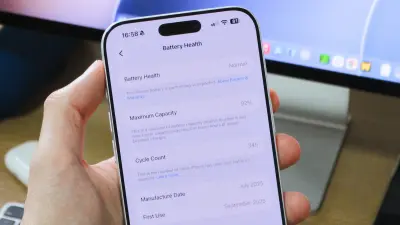
To make a phone last longer, owners need to focus on three main areas: physical protection, battery health, and digital storage. Using a high-quality case is the most basic step to prevent screen cracks and internal damage from drops. Beyond physical care, managing how you charge your device is the most effective way to keep it running for years. Finally, keeping the internal storage from getting too full ensures the phone stays fast and responsive.
Important Numbers and Facts
The cost of keeping an old phone is much lower than buying a new one. A professional battery replacement usually costs between $60 and $150, which is a fraction of the price of a new flagship device. Experts suggest keeping your phone’s storage at or below 80 percent capacity to prevent slowdowns. Additionally, Apple has improved its battery technology so that newer models can handle 1,000 charge cycles while still holding 80 percent of their original power. This is double the lifespan of older batteries.
Background and Context
For a long time, wireless companies encouraged people to trade in their phones every 24 months. This was often tied to phone contracts. At the same time, hardware was changing very quickly, so a two-year-old phone actually felt slow compared to a new one. Today, the hardware has reached a point where new models look and act very much like the ones from the year before. Most new features now come through software updates rather than big changes to the camera or screen. Because of this, there is less reason to buy a new phone every year.
Public or Industry Reaction
Governments are now stepping in to force companies to be more consumer-friendly. In the United States, "right-to-repair" bills have been introduced in all 50 states. These laws require manufacturers to provide tools and parts to regular people and independent repair shops. In Europe, the European Union has passed rules that will require smartphones to have batteries that users can easily remove and replace by the year 2027. These changes are putting pressure on tech giants to stop making "disposable" products.
What This Means Going Forward
In the coming years, we will likely see a return to phones with batteries that can be swapped out in seconds. This would be a major change from the current design where batteries are glued inside the device. As software support continues to stretch toward a decade, the second-hand phone market will also become stronger. People will be able to buy a three-year-old phone and still have four years of safe, updated use ahead of them. This shift will significantly reduce the amount of electronic waste produced globally.
Final Take
The best way to save money and protect the environment is to keep the phone you already have. With manufacturers now offering long-term updates and repair parts becoming more available, there is no longer a technical reason to upgrade every two years. Taking care of your battery and using a sturdy case are small efforts that pay off in the long run. Your smartphone is a powerful tool that is built to last much longer than the ads suggest.
Frequently Asked Questions
How can I make my phone battery last more years?
Avoid letting your phone get too hot, especially while charging. It is also best to keep your battery charge between 20 percent and 80 percent rather than letting it go to zero or staying at 100 percent all the time.
Is it worth it to replace a phone battery?
Yes. Replacing a battery costs between $60 and $150, which is much cheaper than buying a new phone. A new battery can make an old, slow phone feel like new again.
How much free space should I keep on my phone?
You should try to keep at least 20 percent of your storage space empty. When a phone's storage is almost full, it struggles to run the software, which makes the device feel slow and laggy.