Summary
Samsung is preparing to enter the smart glasses market with a new device currently known by the codename "Jinju." Recently leaked images and technical details suggest that these glasses will focus on artificial intelligence and camera features rather than a built-in screen. By launching this product, Samsung aims to compete directly with similar wearable tech from companies like Meta and Google. This move marks a major step for Samsung as it expands its ecosystem of devices beyond smartphones and watches.
Main Impact
The arrival of Samsung’s smart glasses could change how people interact with their phones and the world around them. Instead of pulling a phone out of a pocket to take a photo or ask an AI a question, users can simply use their glasses. This development shows that the tech industry is moving toward "ambient computing," where technology is always available but stays out of the way. By using Google’s software and Qualcomm’s processing power, Samsung is positioning itself to be a leader in this new category of wearable hardware.
Key Details
What Happened
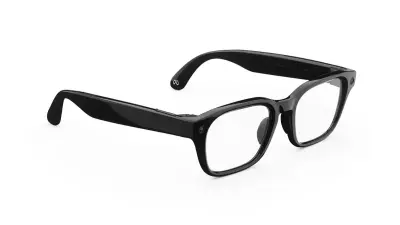
New reports and images have surfaced showing what Samsung’s first pair of smart glasses might look like. The leaked information suggests the device is being developed under the name "Jinju." These glasses appear to have a classic design that looks like regular eyewear, but they are packed with sensors and microphones. Unlike some high-end headsets, these glasses do not seem to have a display inside the lenses. Instead, they act as a hands-free extension of a smartphone, allowing users to record video, take calls, and talk to a digital assistant.
Important Numbers and Facts
The leaked details provide a clear picture of what to expect from the hardware. The "Jinju" glasses are expected to cost between $380 and $500, making them a premium accessory. They will likely feature a 12-megapixel camera for high-quality photos and videos. Under the hood, the glasses are expected to use the Snapdragon AR1 chip, which is designed specifically for lightweight wearable tech. For audio, Samsung is reportedly using bone-conduction technology. This allows the user to hear sound through vibrations in their cheekbones, keeping their ears open to hear the environment around them.
Background and Context
Smart glasses are not a new idea, but they are becoming more popular now because the technology has improved. In the past, these devices were often bulky and had poor battery life. Today, companies like Meta have seen success with glasses that look stylish and work easily with social media. Samsung wants to make sure it does not fall behind in this growing market. The company has been working with partners like Google and Qualcomm to create a special version of the Android operating system called Android XR. This software is built specifically for glasses and headsets, ensuring that apps work smoothly on a wearable device.
Public or Industry Reaction
Tech experts are watching Samsung closely to see if they can beat Meta’s current lead in the smart glasses space. Many people are excited about the integration with Google Gemini, which is a powerful AI chatbot. Having a smart assistant that can "see" what the user sees through the camera is a feature many users find helpful. However, some people are concerned about the price. With costs for parts like memory and storage going up, there is a chance the final price could be higher than the leaked estimates. There are also ongoing discussions about privacy, as cameras on glasses can make people nearby feel uncomfortable.
What This Means Going Forward
The "Jinju" glasses are just the beginning of Samsung's long-term plan. While the first model will not have a screen, a second version codenamed "Haean" is already rumored for a 2027 release. That future model is expected to include a micro-LED display, which would allow users to see digital information layered over the real world. For now, Samsung is expected to give a small preview of the "Jinju" glasses at its upcoming Unpacked event in July. A full launch will likely happen later in the year, giving the company time to polish the software and build excitement among Galaxy phone users.
Final Take
Samsung is taking a careful but firm step into the world of smart eyewear. By focusing on a simple, screen-less design first, they can perfect the AI and camera features before moving to more complex display technology. If these glasses work well with existing Android phones, they could become a must-have tool for people who want to stay connected without staring at a screen all day.
Frequently Asked Questions
Do Samsung smart glasses have a screen?
The first model, codenamed "Jinju," is not expected to have a screen. It will focus on camera and AI features. A model with a display is rumored to arrive in 2027.
How much will the Samsung smart glasses cost?
Current leaks suggest a price range between $380 and $500, though this could change depending on the cost of parts at the time of launch.
When will Samsung release these glasses?
While an official date has not been set, industry experts believe Samsung will tease the glasses in July and release them to the public later in 2024.