
Summary
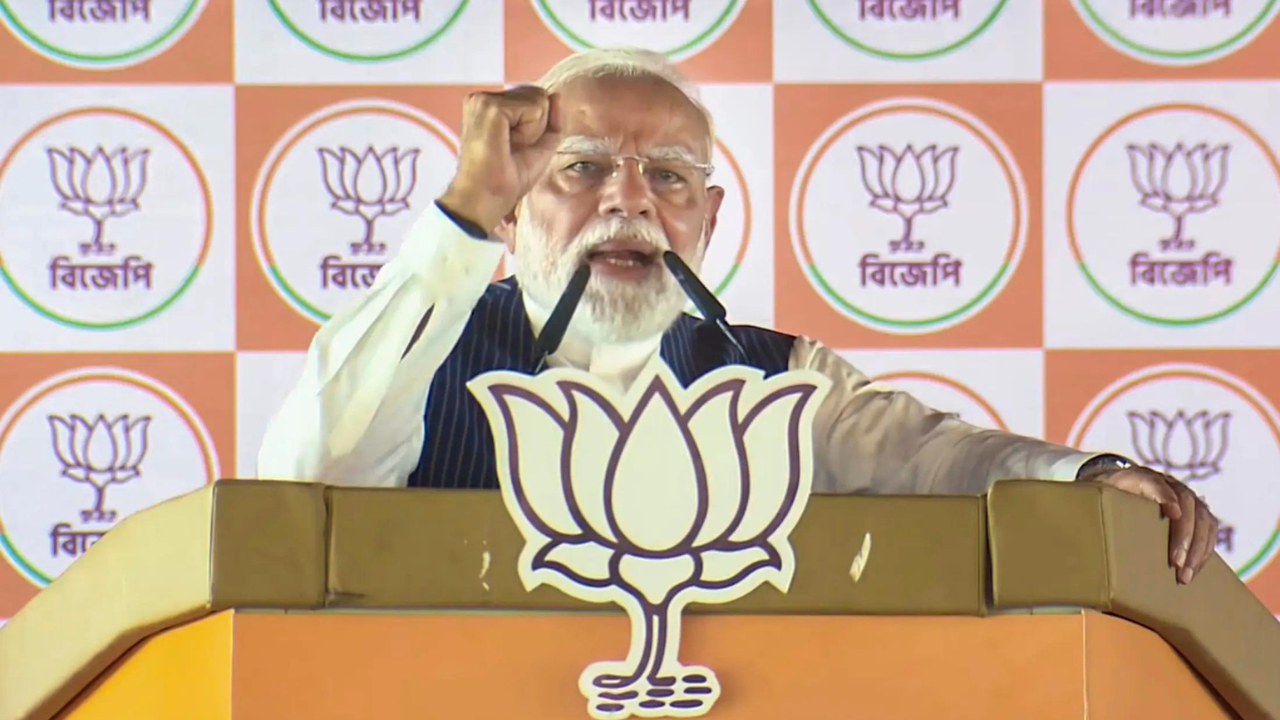
Prime Minister Narendra Modi has launched a sharp verbal attack on the West Bengal government, accusing the ruling Trinamool Congress (TMC) of damaging the state's democratic foundations. Speaking after the first phase of polling, the Prime Minister claimed that a strong "wave of change" is now visible across the state. He urged citizens to vote for the BJP to restore order and safety, specifically highlighting concerns over the treatment of women and the conduct of local political workers.
Main Impact
The Prime Minister’s comments signal a high-stakes political battle in West Bengal as the election moves into its next stages. By using strong language like "crushed the temple of democracy," Modi is making the state's law and order situation a central theme of his campaign. This approach aims to win over voters who are concerned about political violence and the fairness of the voting process. The warning given to "goons" suggests that the central government plans to take a much stricter stance on local security issues following the election period.
Key Details
What Happened
During a recent public event, Prime Minister Modi addressed a large crowd to discuss the current state of politics in West Bengal. He stated that the first round of voting showed a clear shift in public mood in favor of the BJP. He accused the TMC of using fear and force to stay in power, which he described as an attack on the very idea of democracy. He promised that the days of political intimidation would soon come to an end, setting a specific timeline for when he expects changes to occur.
Important Numbers and Facts
The Prime Minister focused on the date of May 4 as a turning point for the state. While the election involves multiple phases, the BJP leadership is treating the early results as a sign of a total victory. Modi also brought up the issue of women's safety, which has become a major talking point in the state recently. He claimed that the current administration has failed to protect its citizens and that the "temple of democracy"—referring to the state's institutions and the right to vote freely—needs to be rebuilt from the ground up.
Background and Context
West Bengal has long been a place of intense political competition. For many years, the TMC, led by Chief Minister Mamata Banerjee, has held a strong grip on the state. However, the BJP has been working hard to become the main challenger. In previous elections, there have been many reports of clashes between workers of different parties. This history of tension is why the Prime Minister’s words about "goons" and "safety" carry so much weight with the local population. Many people in the state feel that the political environment has become too aggressive, and they are looking for a way to return to a more peaceful system.
Public or Industry Reaction
The reaction to the Prime Minister’s speech has been divided along party lines. BJP supporters have welcomed the tough talk, seeing it as a sign that the central government will not ignore the problems in Bengal. They believe that a change in leadership is necessary to stop corruption and violence. On the other hand, TMC leaders have dismissed the claims as political theater. They argue that the BJP is trying to scare voters and that the state government is doing its job well. Local residents remain watchful, as these strong statements often lead to even more intense campaigning on the ground.
What This Means Going Forward
As the election continues, the focus will likely stay on the conduct of political workers and the safety of the polling booths. The Prime Minister’s warning about May 4 suggests that the BJP expects a major shift in power or a significant legal crackdown after that date. Voters can expect to see more security forces and a higher level of monitoring during the remaining phases of the election. The outcome will determine if the BJP’s message of "restoring democracy" has resonated with the people or if the TMC’s local influence remains strong enough to hold off the challenge.
Final Take
The battle for West Bengal is about more than just winning seats; it is a fight over the style of governance and the safety of the people. By framing the election as a mission to save the "temple of democracy," the Prime Minister is trying to turn the vote into a moral choice for the public. Whether this strategy leads to a real change in the state's political path will depend on how many voters feel that their safety and rights are truly at risk under the current system.
Frequently Asked Questions
Why did PM Modi use the phrase "temple of democracy"?
He used this phrase to describe the voting process and the government institutions that are supposed to serve the people. He believes these systems have been damaged by the current state government.
What is the significance of May 4 in this context?
The Prime Minister mentioned May 4 as a deadline, suggesting that after the election process reaches a certain point, those who have broken the law or used violence will no longer have protection.
What are the main complaints against the TMC mentioned in the speech?
The main complaints include the failure to protect women, the use of political "goons" to scare voters, and the overall breakdown of law and order in West Bengal.



