
Summary
The 2026 West Bengal Assembly elections are under intense scrutiny following reports of mismanagement and bias. The Election Commission has taken a firm stand by suspending the Officer-in-Charge (OC) of the Hingalganj police station due to a partisan attitude. At the same time, several political parties and observers have raised serious questions about how Electronic Voting Machines (EVMs) are being handled during the voting process. These developments have created a tense atmosphere as the state moves through its critical election phases.
Main Impact
The suspension of a high-ranking police official sends a strong message to the entire administrative machinery in West Bengal. It shows that the Election Commission will not tolerate any local officials who favor one political party over another. However, the concerns regarding EVM handling have a deeper impact on voter confidence. If people believe that the machines used to record their votes are not secure, it can lead to widespread protests and challenges to the final election results. This situation has forced the authorities to increase surveillance and tighten security protocols around the storage and transport of voting equipment.
Key Details
What Happened
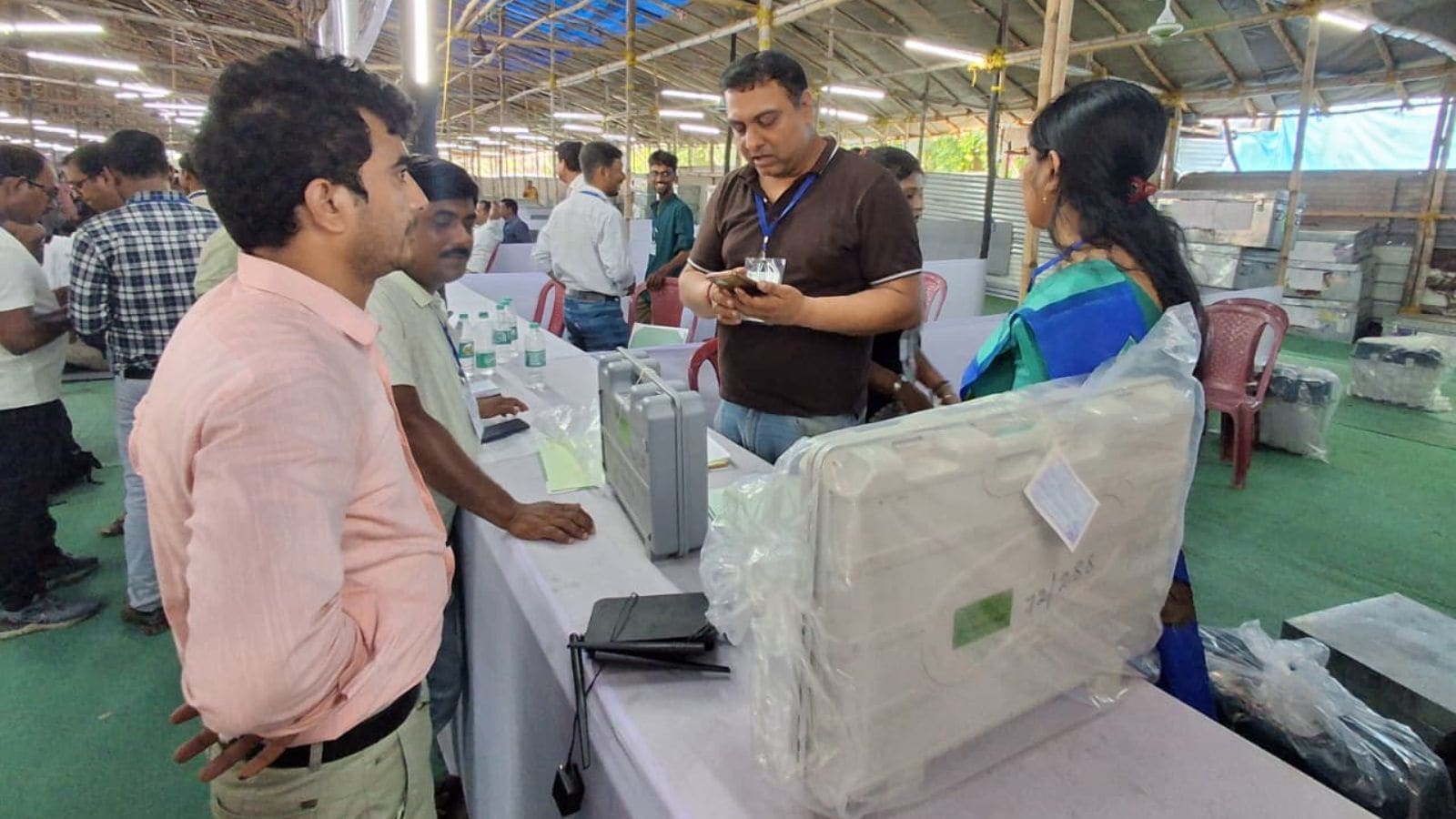
During the recent rounds of voting, reports emerged from Hingalganj suggesting that the local police were not acting neutrally. Complaints were filed alleging that the Officer-in-Charge was ignoring certain violations while strictly penalizing others based on political ties. After a quick review, the Election Commission decided to remove the officer from his post immediately. Alongside this, video clips and reports surfaced on social media and news outlets showing EVMs being moved in private vehicles or without the required security escort. This led to a formal outcry from opposition groups who demand a more transparent process.
Important Numbers and Facts
The suspension took place on April 24, 2026, as the state reached a middle point in its multi-phase election schedule. West Bengal has thousands of polling stations, and each one requires at least two to three EVMs, including backup units. The Election Commission has deployed hundreds of central observers to monitor these machines. In Hingalganj specifically, the removal of the OC is the third major administrative change made by the commission since the election dates were first announced. Authorities are now reviewing the logs of over 500 polling booths where EVM transport issues were reported.
Background and Context
Elections in West Bengal are known for being very competitive and sometimes heated. In past years, there have been many arguments over the safety of the voting process. Electronic Voting Machines are designed to be tamper-proof, but their safety depends on how they are handled by human officials. There are strict rules about how these machines must be moved from the polling booth to the "Strong Room," which is a high-security storage area. Any break in these rules, such as a machine being left unattended or moved in an unofficial car, creates suspicion of fraud. The role of the police is to remain neutral and protect the integrity of these machines, which is why the Hingalganj incident is being treated with such importance.
Public or Industry Reaction
The reaction from political parties has been swift and divided. Opposition leaders have praised the suspension of the Hingalganj officer, calling it a necessary step to stop "state-sponsored" bias. They are calling for even more officers to be removed if they show signs of favoring the ruling party. Meanwhile, the ruling party has stated that these are isolated incidents and that the opposition is trying to create an excuse for a potential loss. Civil society groups and election watchdogs have expressed worry that these controversies might discourage people from going out to vote. They are asking the Election Commission to provide live tracking of EVM transport to clear any doubts.
What This Means Going Forward
As the remaining phases of the 2026 election approach, the Election Commission is expected to be even more strict. We will likely see an increase in the use of central forces to guard EVMs instead of relying solely on local police. There may also be new rules requiring all transport vehicles to have GPS devices and cameras. For the people of Bengal, this means a more visible security presence. If the questions about EVM handling are not answered clearly, there is a risk that the losing side may refuse to accept the results, leading to legal battles in the courts after the counting day.
Final Take
A fair election is the foundation of a healthy democracy. The suspension of the Hingalganj OC shows that there are systems in place to catch bias, but the questions about EVM security suggest that those systems need to be stronger. For the 2026 Bengal elections to be seen as a success, the authorities must ensure that every step of the process—from the first vote cast to the final machine counted—is open and follows the law perfectly. Transparency is the only way to keep the trust of the voters.
Frequently Asked Questions
Why was the Hingalganj officer suspended?
The officer was suspended because the Election Commission found he was acting in a partisan way, meaning he was unfairly favoring one political party during the election process.
What are the concerns regarding EVMs in Bengal?
The main concerns involve how the machines are moved and stored. There have been reports of machines being transported without proper security or in unauthorized vehicles, leading to fears of tampering.
Who is responsible for the safety of the voting machines?
The Election Commission of India is responsible for the machines. They use a combination of local police, central security forces, and official observers to make sure the machines stay safe and are not changed.



