Summary
A new attempt to extend the ceasefire between Israel and Lebanon is facing major challenges. Hezbollah recently stated that the three-week extension announced by the United States is not working because of ongoing military actions. While diplomats try to keep the peace, both sides continue to exchange fire, making the situation on the ground very unstable. This tension is also affecting broader peace talks between the United States and Iran that were supposed to happen in Pakistan.
Main Impact
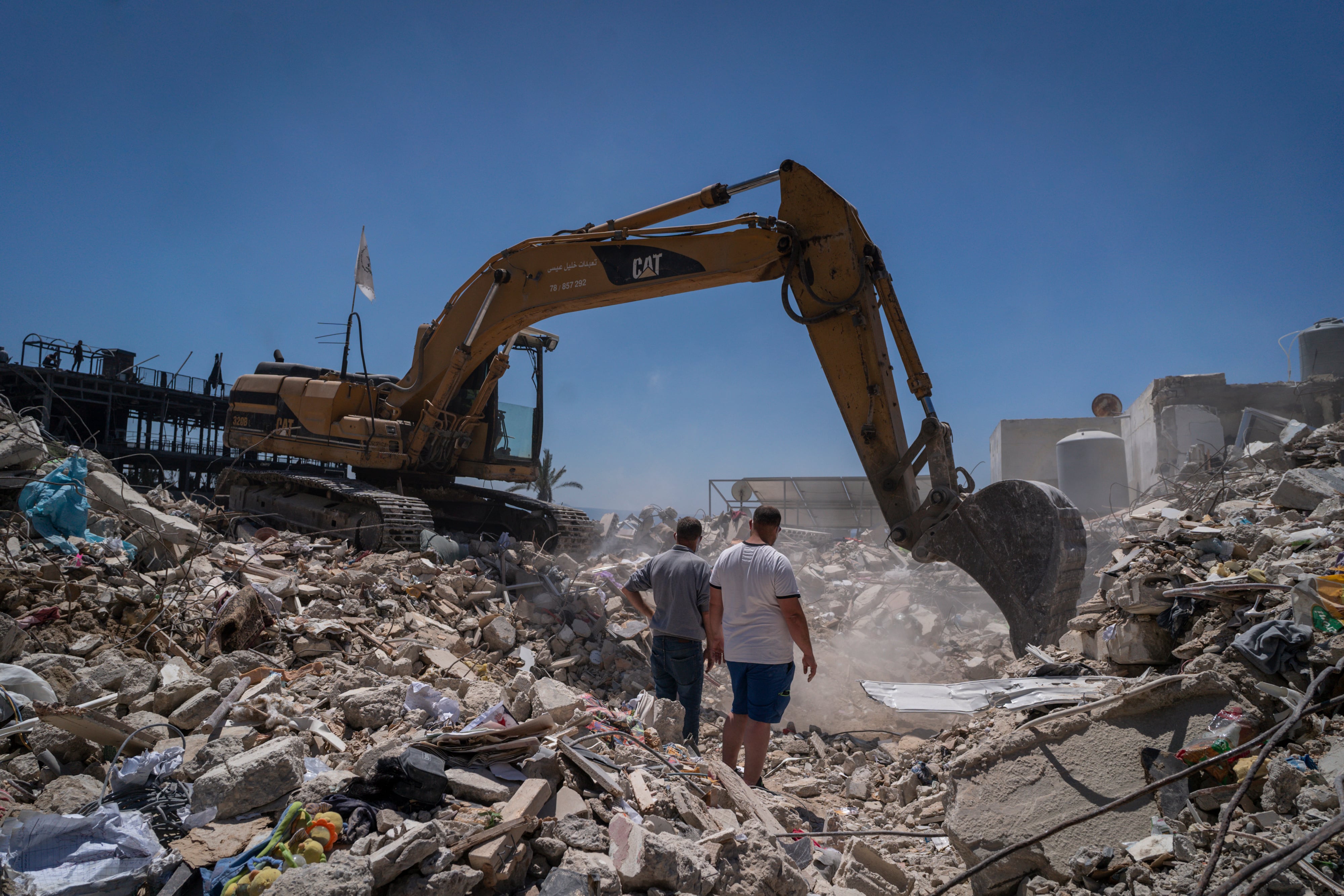
The most immediate impact of this situation is the failure of the ceasefire to stop the violence. Even though a three-week extension was meant to provide a break in the fighting, the reality on the ground is different. Families living near the border remain in danger as rockets and air strikes continue. Furthermore, the lack of trust between the two sides makes it harder for international leaders to negotiate a long-term solution. If the ceasefire fails completely, the region could see a much larger and more dangerous conflict.
Key Details
What Happened
On Friday, Ali Fayad, a member of parliament for Hezbollah, spoke out against the current peace efforts. He said the ceasefire agreement has no real meaning because the Israeli military is still attacking targets in Lebanon. Hezbollah argues that they have a right to defend themselves and respond to these strikes. This statement came right after U.S. President Donald Trump announced that the ceasefire would be extended for another three weeks to allow for more talks.
At the same time, Israel has a different view of the situation. Israeli officials claim that Hezbollah is the one breaking the rules by firing rockets into northern Israel. Because of these rocket attacks, the Israeli military launched new strikes against Lebanon on Friday. Both sides claim they are only acting in self-defense, but the result is a cycle of violence that the ceasefire was supposed to prevent.
Important Numbers and Facts
The current ceasefire extension was set for a period of three weeks. This timeline was intended to give diplomats enough room to discuss a more permanent end to the war. The announcement of this extension was made on April 23, 2026. However, by April 24, the deal was already being questioned by both military and political leaders. Additionally, peace talks scheduled to take place in Islamabad, Pakistan, are now at risk. These talks involve the United States and Iran, but so far, there is no confirmation that both sides will actually attend the meeting.
Background and Context
To understand why this is happening, it is important to look at the relationship between the groups involved. Israel and Hezbollah have been fighting for a long time. Hezbollah is a powerful group in Lebanon that is supported by Iran. Israel views Hezbollah as a major threat to its safety. The United States has been trying to act as a middleman to stop the fighting, but it is difficult because the U.S. and Iran do not have a good relationship.
The ceasefire was meant to be a first step toward a bigger peace deal. In simple terms, a ceasefire is an agreement to stop fighting for a specific amount of time. If the fighting stops, leaders can talk about how to solve their problems without using weapons. However, if one side feels the other is still attacking, they often start fighting again. This is exactly what is happening now between Israel and Lebanon.
Public or Industry Reaction
The reaction from both sides has been very firm. Danny Danon, the Israeli Ambassador to the United Nations, told news reporters that the ceasefire is not "100%." He explained that the Lebanese government does not have full control over what Hezbollah does. Because Hezbollah continues to fire rockets, Danon argued that Israel must take action to protect its people. He made it clear that Israel will strike back whenever they see a threat.
On the other side, Hezbollah leaders believe the ceasefire is being used as a cover for Israeli military operations. They feel that the international community is not doing enough to stop Israeli jets from flying over Lebanon. This lack of trust is the biggest hurdle for the peace process. Meanwhile, international observers are worried that the planned meeting in Islamabad will be canceled if the violence does not stop immediately.
What This Means Going Forward
The next few days will be critical for the region. If the rocket fire and air strikes continue, the three-week extension will likely be ignored by both sides. This would mean a return to full-scale war. The biggest risk is that the conflict could spread to other countries, especially if Iran becomes more directly involved.
The success of the Islamabad talks is also a major factor. If the United States and Iran can agree on even small points, it might put pressure on Israel and Hezbollah to stop fighting. However, if those talks fail, there will be very little hope for a diplomatic solution in the near future. Leaders from other countries are watching closely, hoping that a last-minute deal can be reached to save the ceasefire.
Final Take
Peace cannot exist on paper if it does not exist on the ground. While political leaders in Washington and other world capitals talk about extensions and agreements, the people living in the conflict zone are still seeing explosions and hearing sirens. For a ceasefire to work, both sides must believe that the other will actually stop shooting. Right now, that trust is missing. Without a real change in behavior from both the Israeli military and Hezbollah, the current peace plan is unlikely to last through the weekend.
Frequently Asked Questions
Why did Hezbollah say the ceasefire is meaningless?
Hezbollah claims that the ceasefire does not matter because the Israeli military continues to carry out attacks and air strikes within Lebanon. They believe the agreement is not being followed by the other side.
What is Israel's reason for continuing its attacks?
Israel says it is responding to rocket fire coming from Hezbollah. Israeli officials argue they have a duty to protect their citizens and will strike any target they consider a threat to their safety.
What are the Islamabad talks?
These are planned diplomatic meetings in Pakistan between the United States and Iran. The goal is to discuss ways to reduce tension in the Middle East, but the meetings are currently in doubt because of the ongoing violence.