
Summary
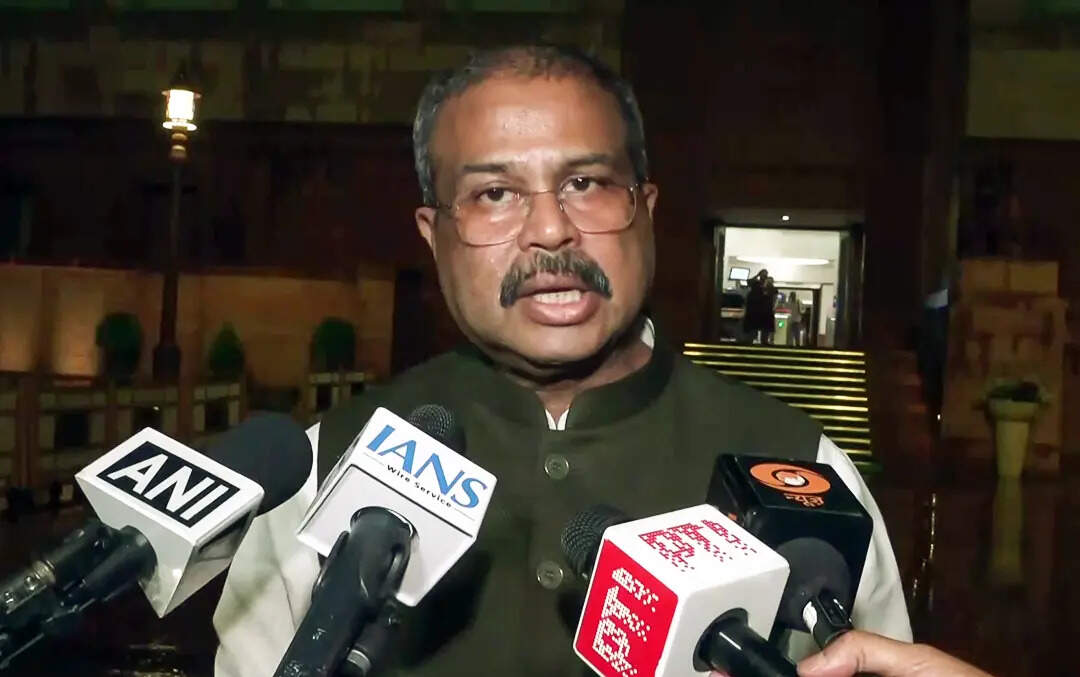
India's Education Minister, Dharmendra Pradhan, recently shared a new vision for the National Testing Agency (NTA). The main goal is to make national entrance exams completely free of errors and much less stressful for students. This change is important because millions of young people rely on these tests to get into colleges for medicine, engineering, and other degrees. By focusing on better technology and better planning, the government hopes to make the testing process fair and smooth for everyone involved.
Main Impact
The biggest impact of this move will be on the mental health and confidence of students. In the past, technical problems and mistakes in question papers have caused a lot of worry. When an exam is "zero-error," it means students do not have to worry about the system failing while they are writing their answers. This focus also forces the NTA to upgrade its computers and software. For the education system, this means more trust from the public and fewer legal cases or complaints about how exams are handled.
Key Details
What Happened
Minister Pradhan spoke about the need for the NTA to become a more modern and reliable agency. He pointed out that the scale of exams in India is huge, and the system must be strong enough to handle it. The government wants to remove any chance of paper leaks or technical glitches that stop students from finishing their tests. The plan involves working with experts to check every part of the exam process, from how questions are written to how the final results are calculated.
Important Numbers and Facts
The NTA is responsible for some of the largest exams in the world. Every year, more than 15 million students take tests organized by this agency. For example, the NEET-UG exam for medical students often sees over 2 million applicants. The JEE Main for engineering and the CUET for university admissions also have millions of participants. Because the numbers are so high, even a 1% error rate could affect thousands of lives. This is why the "zero-error" goal is so critical for the country.
Background and Context
To understand why this matters, we have to look at the challenges students have faced recently. In the last few years, some exams had to be delayed or rescheduled because of computer problems at certain centers. In other cases, students found mistakes in the translated versions of question papers. These issues create a lot of pressure. Students spend years studying for these tests, and any small mistake by the testing agency can feel like a disaster. The government is now trying to fix these deep-seated problems to ensure that hard work is the only thing that decides a student's future.
Public or Industry Reaction
Teachers and education experts have reacted positively to these goals. Many say that a "stress-free" exam is exactly what the country needs. However, some experts warn that saying "zero-error" is easier than doing it. They believe the NTA needs to hire more staff and use better security measures to prevent any cheating or leaks. Parents are also hopeful but cautious. They want to see better facilities at exam centers, such as working air conditioning and reliable internet, so their children can focus entirely on the test.
What This Means Going Forward
In the coming months, the NTA will likely change how it picks exam centers. They may choose centers with better hardware and more backup power. There will also be more focus on training the people who watch over the exams. We might see more mock tests being offered online so students can practice using the software before the real exam day. The government is also looking at ways to make the questions more about understanding and less about memorizing, which helps in making the whole experience less scary for students.
Final Take
Running massive exams in a country as big as India is a very hard job. Minister Pradhan’s focus on making these tests "stress-free" and "zero-error" shows that the government is listening to the concerns of students and parents. If the NTA can truly reach these goals, it will set a high standard for education across the globe. The success of this plan will be measured by how smoothly the next round of major entrance exams goes and how much more relaxed the students feel while taking them.
Frequently Asked Questions
What does a "zero-error" exam mean?
It means an exam where there are no mistakes in the questions, no technical problems with the computers, and no errors in the final scoring or results.
Which exams are managed by the NTA?
The NTA manages several major national exams, including NEET for medical studies, JEE for engineering, and CUET for admission to central universities.
How will the government reduce exam stress?
The government plans to reduce stress by ensuring the exams run smoothly, providing better information to students, and making sure the testing centers are comfortable and well-equipped.



