
Summary
The Indian government has introduced new bills that could change the balance of power in Parliament. These bills focus on "delimitation," which means redrawing the boundaries of voting areas based on population. While the government says this is needed to give women more seats in politics, many leaders from Southern India are angry. They believe the plan will give Northern states too much power and punish Southern states for successfully controlling their population growth.
Main Impact
The biggest impact of these bills is a major shift in political influence. If the changes go through, Northern states where the Hindi language is common will gain many more seats in the Lok Sabha. At the same time, Southern states will see their share of seats drop. This has led to fears that the voices of people in the South will matter less in national decisions. Critics also argue that the government is using the popular idea of women's reservation as a way to push through these controversial boundary changes.
Key Details
What Happened
Just 36 hours before a special session of Parliament, the government shared the drafts of three new bills. Opposition leaders were upset by the timing, as elections are currently happening in Tamil Nadu and West Bengal. They asked why the government was in such a hurry. The bills propose increasing the total number of seats in the Lok Sabha from 550 to 850. Out of these, 33 percent would be reserved for women. However, the government wants to redraw the map of voting areas immediately using old data from the 2011 Census.
Important Numbers and Facts
The proposed changes would significantly alter the makeup of the Lok Sabha. Northern states would see their share of seats rise from 38.1 percent to 43.1 percent. Meanwhile, Southern states would see their share fall from 24.3 percent to 20.7 percent. For example, Uttar Pradesh would see its influence grow, while Kerala’s share would drop from 3.68 percent to 2.7 percent. Bihar would gain a massive jump from 40 seats to 72 seats. Tamil Nadu would get more seats in total, but its overall percentage of power in Parliament would actually shrink.
Background and Context
In India, the number of seats a state gets in Parliament is usually based on its population. In 2001, the government under Prime Minister Atal Bihari Vajpayee decided to freeze the number of seats until 2026. This was done to ensure that states that successfully managed their population growth—mostly in the South—were not punished by losing political power. The current government now wants to remove this safety rule. Southern states like Tamil Nadu, Kerala, and Karnataka had asked to keep the freeze for another 25 years, but the central government has ignored these requests.
Public or Industry Reaction
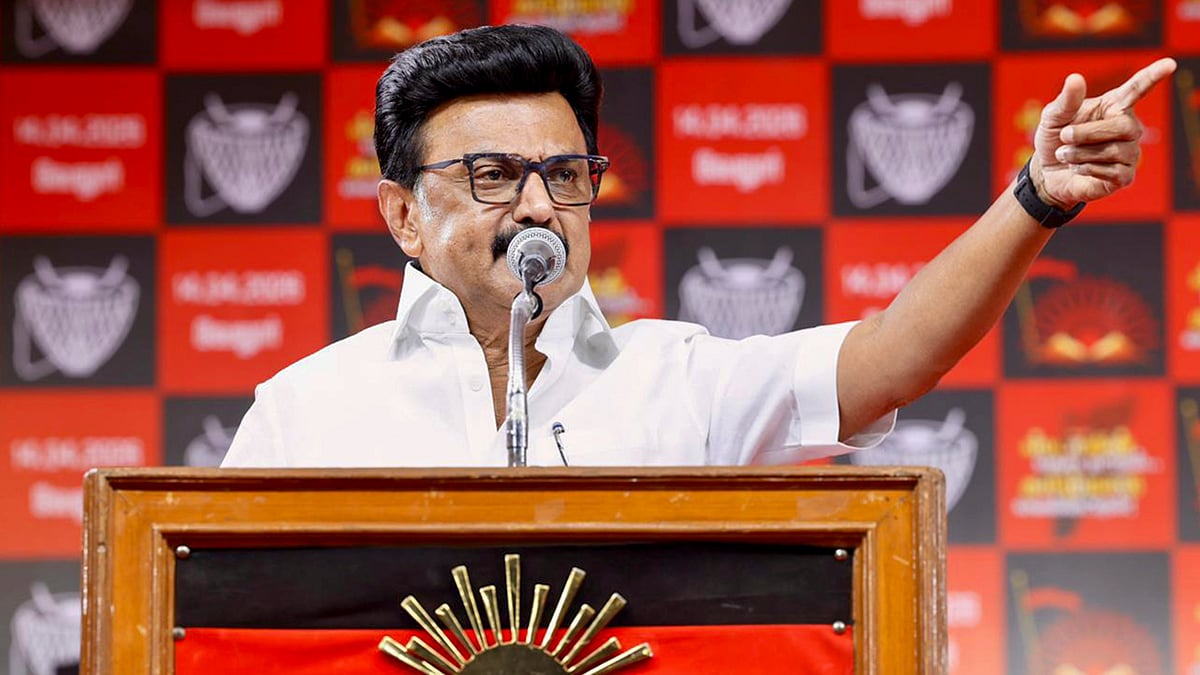
The reaction from Southern leaders has been very strong. Tamil Nadu Chief Minister M.K. Stalin issued a "final warning" to the central government. He said that if these changes hurt his state, every family would take to the streets in protest. He promised a massive movement like those seen in the 1950s. In Telangana, Chief Minister Revanth Reddy suggested a different plan. He proposed that half of the new seats should be based on population, but the other half should be based on how well a state’s economy is doing. This would reward states for making progress instead of just having more people.
Other opposition leaders, like Akhilesh Yadav, questioned if the government is truly committed to women's rights. He pointed out that only a small percentage of the current ruling party's lawmakers are women. Some leaders called the bills a "death warrant" for the system where power is shared between the center and the states.
What This Means Going Forward
If these bills pass, the political map of India will look very different by the 2029 elections. The central government will likely face legal challenges in court and massive protests in the South. There is a risk of a deep divide between the North and the South. The government must decide if it will listen to the concerns of the Southern states or move forward with its plan. The debate over whether seats should be linked to population or economic performance will likely become a major topic in Indian politics for years to come.
Final Take
The fight over these bills is about more than just seats in a room; it is about how India defines fairness. Southern states feel they are being penalized for their success in education and healthcare, which led to lower population growth. By linking women's reservation to the redrawing of voting areas, the government has created a complex political situation that forces every party to take a side on the future of Indian democracy.
Frequently Asked Questions
What is delimitation?
Delimitation is the process of redrawing the boundaries of voting areas (constituencies) to make sure each representative stands for a similar number of voters. It is usually done after a new census is taken.
Why are Southern states worried about these bills?
Southern states have controlled their population growth better than Northern states. Because seats are based on population, these states fear they will lose their influence in Parliament while Northern states gain more power.
Is women's reservation linked to the new seat boundaries?
Yes, the government’s plan links the 33 percent reservation for women to the redrawing of voting areas. Opposition leaders argue that women could be given these seats immediately without changing the state-wise seat counts.

