
Summary
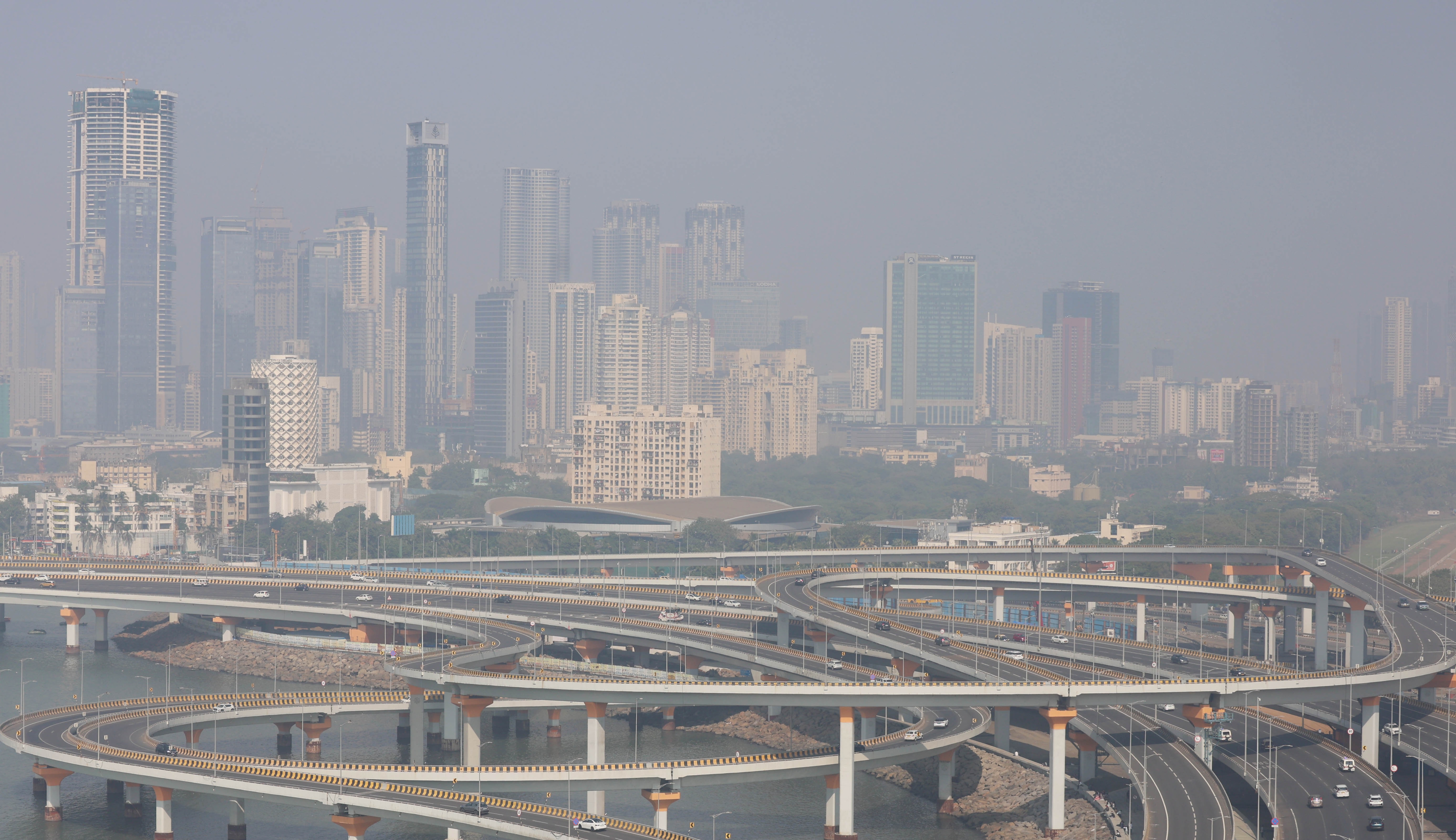
A high-level committee has officially linked the rising air pollution in the Mumbai Metropolitan Region (MMR) to three major transport issues. The panel found that constant traffic jams, disorganized parking, and vehicles that skip emission tests are the primary reasons for poor air quality. This report suggests that the city must fix its road management to help residents breathe cleaner air. By addressing these specific problems, authorities hope to reduce the thick smog that often covers the region.
Main Impact
The findings of this panel shift the focus of environmental efforts in Mumbai. For a long time, many people blamed construction dust for the city's hazy skies. While dust is still a factor, this report proves that the way people drive and park has a massive effect on the environment. The main impact is a new push for stricter traffic laws and better vehicle inspections. If these changes are put into place, it could lead to fewer cars idling on the streets and a noticeable drop in harmful exhaust fumes.
Key Details
What Happened
The high-powered panel, consisting of experts and government officials, conducted a deep study of the MMR’s air quality. They observed that traffic congestion is not just a waste of time but a major health hazard. When cars, trucks, and motorcycles get stuck in slow-moving traffic, their engines stay on for long periods. This "idling" releases a high concentration of pollutants into the air at ground level, where people breathe. The panel also pointed out that illegal parking on main roads makes the situation worse by narrowing the space available for moving traffic, which creates even more jams.
Important Numbers and Facts
The Mumbai Metropolitan Region is home to millions of registered vehicles, and that number grows every year. The panel noted that a significant portion of these vehicles do not have a valid Pollution Under Control (PUC) certificate. Without these tests, there is no way to know if a car is releasing more smoke than allowed by law. Furthermore, the report highlighted that traffic speeds in some parts of the city have dropped to less than 10 kilometers per hour during peak hours. At these low speeds, fuel does not burn efficiently, leading to much higher levels of carbon monoxide and other dangerous gases.
Background and Context
Air pollution in Mumbai has become a serious concern over the last few years. In the past, the sea breeze helped clear the air, but changing weather patterns and more buildings have trapped the smoke near the ground. The MMR includes not just Mumbai city, but also nearby areas like Thane, Navi Mumbai, and Kalyan. All these areas are connected by busy highways that stay crowded almost 24 hours a day. As the population grows, the number of private cars has surged, putting a heavy strain on the existing roads. This report was created to find practical solutions to these growing pains.
Public or Industry Reaction
Many residents have welcomed the report, as they are tired of the daily struggle with traffic and bad air. Health experts agree with the panel, noting an increase in breathing problems among children and the elderly who live near busy intersections. However, some transport groups are worried. They argue that the city lacks enough official parking spaces, which forces drivers to park on the street. Small business owners also fear that stricter rules on older vehicles might make it harder for them to transport goods. Despite these concerns, there is a general agreement that something must be done to stop the air quality from getting worse.
What This Means Going Forward
In the coming months, drivers in the MMR can expect to see more enforcement on the roads. The panel has recommended that the government use technology to track vehicle emissions. This could include linking fuel stations to a central database to ensure no one buys petrol or diesel without a valid PUC certificate. There is also a plan to create more "no-parking" zones on major roads to keep traffic moving smoothly. If these steps work, the city might see a decrease in the number of "poor" air quality days. The government may also speed up the transition to electric buses and taxis to further reduce the amount of smoke on the streets.
Final Take
Fixing Mumbai's air is a complex task that requires more than just planting trees or stopping construction. It requires a total change in how the city manages its roads and vehicles. By identifying traffic jams and parking chaos as the main culprits, the high-powered panel has provided a clear map for improvement. The success of this plan will depend on how well the authorities enforce the rules and how willing the public is to follow them. Clean air is a basic right, and solving the traffic mess is the first step toward achieving it.
Frequently Asked Questions
How does traffic congestion cause air pollution?
When vehicles are stuck in traffic, their engines often stay running while the car is not moving. This is called idling. Idling engines burn fuel inefficiently and release more harmful chemicals into the air compared to when a car is moving at a steady speed.
Why is illegal parking mentioned in a report about air quality?
Illegal parking takes up valuable space on the road. This forces moving cars into fewer lanes, which creates bottlenecks and traffic jams. These jams lead to more idling and higher levels of pollution in that specific area.
What is a PUC certificate and why is it important?
A PUC (Pollution Under Control) certificate is a document that proves a vehicle's emissions are within the legal limit. It is important because it ensures that engines are well-maintained and not releasing excessive amounts of toxic smoke into the environment.



