
Summary
West Bengal Chief Minister Mamata Banerjee has issued a strong warning to voters regarding financial offers from the opposition. During her recent election rallies, she told citizens to be careful about accepting money from the Bharatiya Janata Party (BJP). She claims that such offers are made to influence the way people vote. This warning is a key part of her strategy to keep her supporters loyal and to portray her rivals as using unfair methods to win the upcoming elections.
Main Impact
The primary impact of this warning is the heightening of political tension in West Bengal. By telling voters not to take money, Banerjee is framing the election as a battle between "honest local leaders" and "wealthy outsiders." This narrative helps her connect with lower-income voters who rely on state welfare programs. It also puts the BJP on the defensive, forcing them to respond to allegations of using "money power" instead of focusing solely on their policy promises.
Key Details
What Happened
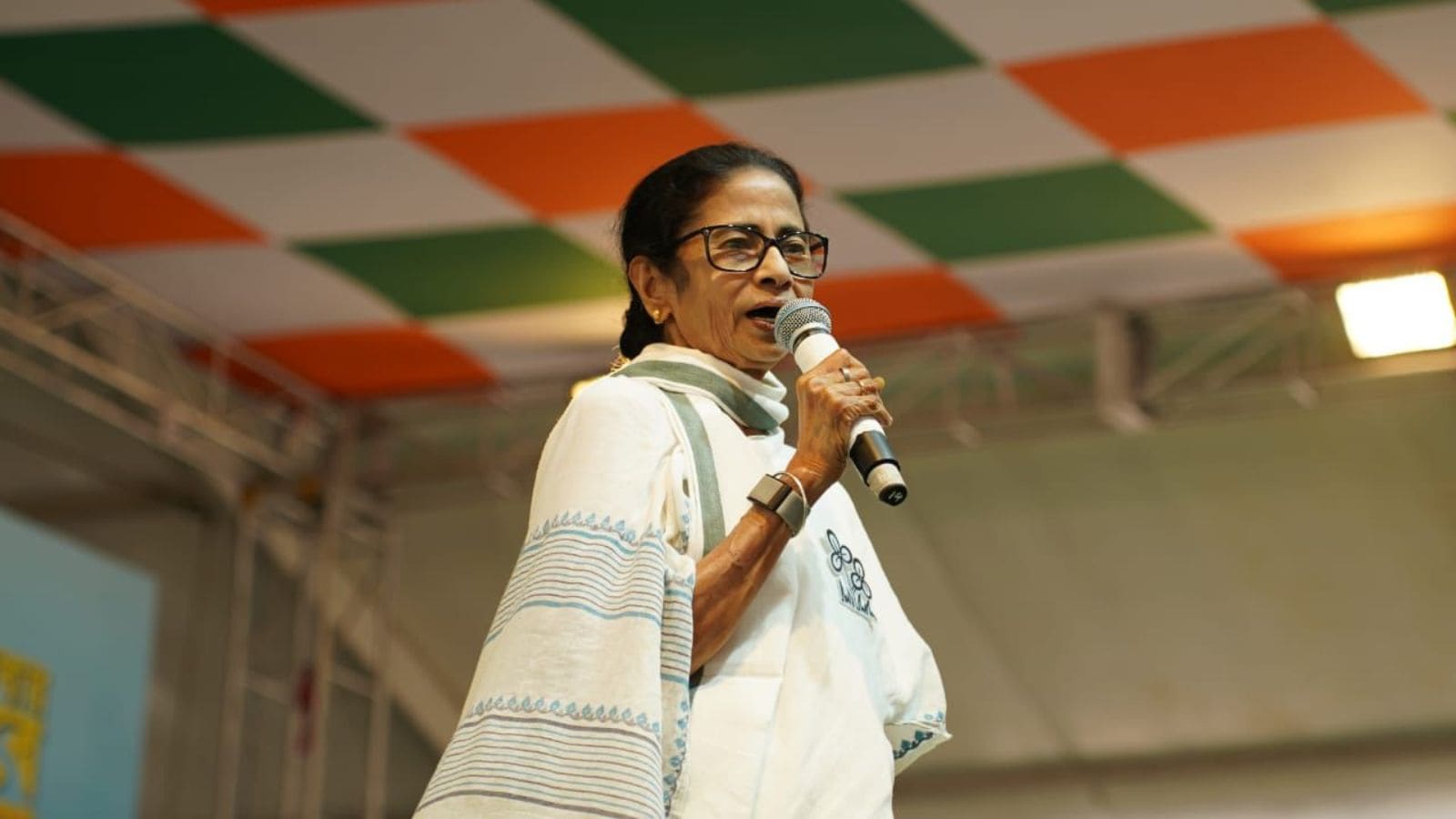
During several public meetings, Mamata Banerjee spoke directly to the crowds about the tactics she expects from her opponents. She alleged that the BJP would try to distribute cash in villages and neighborhoods just before the voting day. She told the public that if they are offered money, they should know it is "looted money" that belongs to the people. In some speeches, she even suggested that if people do take the money, they should still vote for her party, the Trinamool Congress (TMC), because the money is essentially their own tax money being returned to them.
Important Numbers and Facts
The political battle in West Bengal involves millions of voters across 42 Lok Sabha seats. Banerjee often points to her own financial schemes, such as Lakshmir Bhandar, which provides monthly cash transfers to over 20 million women in the state. She uses these numbers to show that her government provides consistent support, unlike the one-time payments she claims the opposition offers during election cycles. On the other side, the BJP has grown significantly in the state, winning 18 seats in the 2019 elections, which has made the current race extremely competitive.
Background and Context
West Bengal has a long history of intense and sometimes violent political competition. For over a decade, Mamata Banerjee and the TMC have held power, but the BJP has become a major challenger in recent years. The central government and the state government often clash over how money is spent and which social programs are more effective. Banerjee frequently uses the "outsider" label for BJP leaders, suggesting they do not understand the culture or the needs of the people in Bengal. By focusing on the issue of money, she is trying to show that the opposition is trying to "buy" a victory that they cannot win through popular support alone.
Public or Industry Reaction
The reaction to these warnings has been split along party lines. TMC supporters view Banerjee’s words as a necessary shield against corruption. They believe she is protecting the integrity of the democratic process. However, BJP leaders have dismissed these claims as a sign of fear. They argue that Banerjee is making these accusations because she knows her influence is fading. They claim that the people of Bengal want change and that the TMC is using these warnings to distract from issues like unemployment and local corruption. Neutral observers note that this kind of rhetoric is common in high-stakes Indian elections, where both sides try to claim the moral high ground.
What This Means Going Forward
As the election dates approach, the rhetoric regarding money and influence is likely to get even louder. This could lead to stricter monitoring by the Election Commission to ensure that no illegal cash is being moved around. It also means that the focus of the campaign will stay on the personal character of the parties rather than just on infrastructure or the economy. If voters believe Banerjee’s warnings, it could strengthen her bond with the rural poor. If they see it as a political trick, it might not have the effect she hopes for. The next few weeks will show which message resonates more with the public.
Final Take
The warning from Mamata Banerjee is more than just a comment on election spending; it is a calculated political move. By telling voters to reject or be wary of money from the BJP, she is reinforcing her image as a street-fighter who stands up for the common person. This strategy aims to turn a potential weakness—the financial strength of her opponents—into a moral strength for her own campaign. In the end, the voters will decide if they see these offers as a helping hand or as a bribe that threatens their future.
Frequently Asked Questions
Why did Mamata Banerjee warn voters about money?
She claims that the opposition uses cash to influence voters and wants to ensure her supporters remain loyal to her party’s platform instead of being swayed by one-time payments.
What is the Lakshmir Bhandar scheme?
It is a social welfare program in West Bengal that provides regular monthly financial assistance to women, which Banerjee uses as an example of her government's long-term support for the poor.
How has the BJP responded to these claims?
The BJP has denied the allegations, calling them a distraction from the state government's own failures and claiming that the TMC is simply afraid of losing the election.



