
Summary
West Bengal Chief Minister Mamata Banerjee has voiced strong opposition to the central government's latest legislative moves. She claims the BJP-led government is using the Women’s Reservation Bill as a distraction to push through a plan to redraw voting districts, known as delimitation. Banerjee warned that this move could lead to significant changes in how the country is organized and might even cause national instability. She promised that her party, the Trinamool Congress (TMC), would fight these changes at every possible level.
Main Impact
The primary concern raised by the Chief Minister is the potential for a massive increase in the number of seats in the Lok Sabha. If the delimitation process goes forward as planned, the number of seats could jump from 543 to as many as 850. Banerjee argues that this is not a simple administrative change but a political move that could "break the country into pieces." This development sets the stage for a major legal and political battle between the state of West Bengal and the central government over how representation is handled in India.
Key Details
What Happened
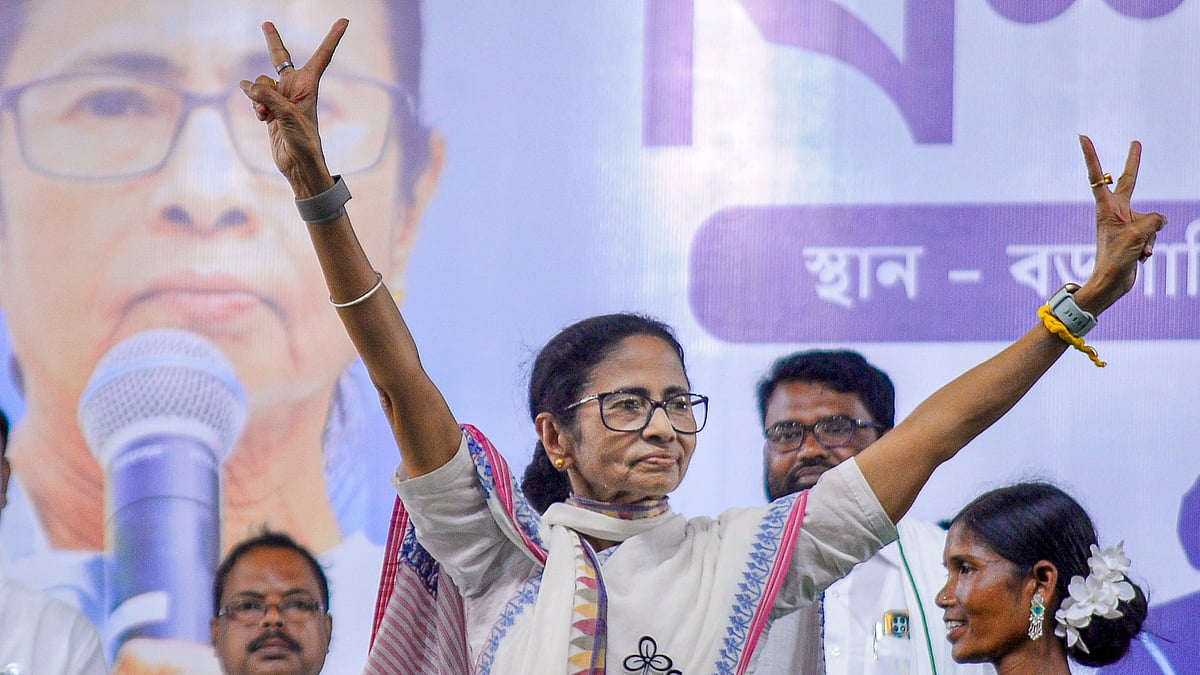
During a public rally in Cooch Behar, Mamata Banerjee addressed the introduction of several bills in Parliament. These include the Constitution (131st Amendment) Bill and the Delimitation Bill. She alleged that the government is hiding its true intentions behind the popular idea of giving women 33 percent of seats in legislatures. According to her, the real goal is to change the map of voting areas across India based on older census data, which could unfairly benefit certain political interests.
Important Numbers and Facts
The proposed changes suggest that the Lok Sabha could expand to 850 members. This would be based on the 2011 Census data. Banerjee also pointed out that her party is already ahead of the proposed law, noting that 37 percent of TMC members in Parliament are women. On the financial side, she countered claims about a lack of growth in North Bengal by stating that her government has spent 1.72 lakh crore rupees on development in that specific region over the years.
Background and Context
Delimitation is the process of fixing the limits or boundaries of territorial constituencies in a country to reflect changes in population. In India, this is a sensitive topic because different states have different population growth rates. If seats are assigned strictly by population, states that have successfully controlled their population growth might lose political influence. By linking this process to the Women’s Reservation Bill, the central government is attempting to pass a major structural change alongside a popular social reform. Banerjee’s criticism highlights the fear that this process might be used to gain a political advantage rather than to ensure fair representation.
Public or Industry Reaction
The reaction from the Trinamool Congress has been one of total resistance. Banerjee mentioned that her representatives in Parliament are worried about the methods being used to pass these laws. She claimed that the central government might try to pass these constitutional changes with a simple majority of votes, rather than the two-thirds majority usually required for such important changes. Furthermore, she accused the government of using federal agencies to pressure political opponents instead of engaging in fair democratic debate. She emphasized that in a democracy, the power should come from the voters' ballots, not from force or intimidation.
What This Means Going Forward
The path ahead looks filled with legal challenges and political protests. The opposition is likely to question the legality of passing these bills if the proper voting procedures are not followed in Parliament. There is also a growing concern regarding the revision of electoral rolls. Banerjee mentioned that many legitimate voters are being labeled as "infiltrators" and removed from the lists. This suggests that the fight over delimitation will also involve a fight over who is allowed to vote. The central government will need to address these concerns about fairness and transparency if they want to move forward without causing deep divisions.
Final Take
The debate over women's reservation has taken a complicated turn as it becomes tied to the redrawing of India's political map. While the goal of increasing women's participation in politics is widely supported, the method of linking it to delimitation has created deep suspicion. The coming months will show whether these changes lead to a more representative Parliament or a more divided nation. For now, the focus remains on whether the government will follow traditional rules for changing the Constitution.
Frequently Asked Questions
What is delimitation in simple terms?
Delimitation is the process of redrawing the boundaries of areas where people vote. This is done to make sure that each representative in Parliament speaks for a similar number of people as populations grow or move.
Why is Mamata Banerjee opposing the new bills?
She believes the government is using the popular Women’s Reservation Bill as a cover to change the number of seats in Parliament. She fears this will be done in a way that hurts the country's unity and ignores proper voting rules in Parliament.
How many seats could the Lok Sabha have in the future?
Under the new proposals mentioned by the Chief Minister, the number of seats in the Lok Sabha could increase from the current 543 to a maximum of 850 seats.

