
Summary
India is currently celebrating the 200th birth anniversary of Mahatma Jotirao Phule, a famous social reformer from the 19th century. The Bharatiya Janata Party (BJP) has organized many events and tributes to honor him as a key figure in Indian history. However, experts and historians point out a major problem: Phule’s actual writings and ideas are the complete opposite of the BJP’s political ideology. While the party tries to use his image to win over voters, Phule’s work was focused on destroying the very social hierarchies that still exist today.
Main Impact
The main impact of this celebration is a growing debate about "political appropriation." This happens when a political group tries to claim a historical hero as their own, even if they do not follow that hero's teachings. By celebrating Phule, the BJP hopes to connect with Other Backward Classes (OBC) and Dalit communities. But Phule’s books, such as Gulamgiri and Sarvajanik Satya Dharma Pustak, show that he wanted a total social revolution, not just symbolic changes. This creates a gap between the government's public praise and the radical reality of Phule’s message.
Key Details
What Happened
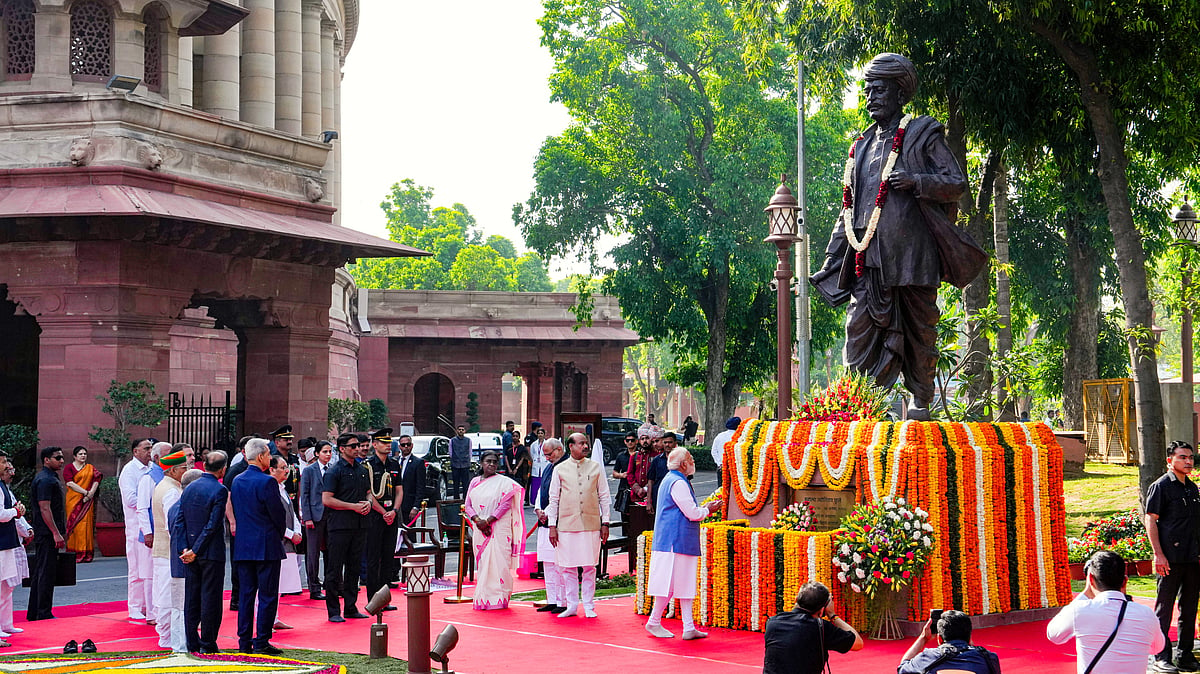
The government has started a year-long celebration to mark two centuries since Phule’s birth. There are new memorials, television programs, and speeches by top leaders praising him as a visionary. Phule is often called the "father of the Indian social revolution" because he fought for the rights of women and people from lower castes. He and his wife, Savitribai Phule, opened schools for girls at a time when society strongly opposed it. Today, his name is being used to build a sense of national unity, but his books tell a much more challenging story about power and religion.
Important Numbers and Facts
Phule’s life was defined by several major works that changed Indian thought. In 1873, he wrote Gulamgiri (Slavery), where he criticized the caste system. In 1881, he published Shetkaryacha Asud (The Farmer's Whipcord), which focused on the struggles of poor farmers. His final book, Sarvajanik Satya Dharma Pustak, was published in 1889 and offered a new way of looking at religion. He also founded the Satyashodhak Samaj, a group dedicated to seeking the truth and ending social unfairness. These facts show that Phule was not just a reformer who wanted small changes; he wanted to rebuild society from the ground up.
Background and Context
To understand why this matters, we must look at what Phule believed. He did not believe that ancient religious books were holy or perfect. Instead, he argued that these books were written by people to keep power in the hands of a few. He used the word "Nirmik" to describe a Creator who made everyone equal. This is very different from the Hindutva ideology, which relies on the authority of ancient scriptures and a unified Hindu identity. Phule also challenged the idea of a "golden age" in India’s past. He believed that many historical stories were actually about one group conquering another and turning them into servants.
Public or Industry Reaction
Many scholars and social activists are skeptical of the current celebrations. They argue that you cannot honor Phule while also supporting the social systems he hated. Historians like Gail Omvedt have noted that Phule wanted a "universal religion of truth" that moved past traditional Hindu labels. Critics also point out that while the government praises Phule, many people from the communities he defended still face violence and unfair treatment. They say that true respect for Phule would mean working to end caste discrimination in real life, not just putting his face on posters.
What This Means Going Forward
As the bicentenary celebrations continue, the focus will likely stay on Phule’s role as a national hero. However, the tension between his radical ideas and modern politics will not go away. For the BJP, the challenge is to explain how they can follow Phule’s path while keeping their own traditional views. For the public, this is an opportunity to read Phule’s original words and understand his fight for education and equality. The next steps for social movements will be to use Phule’s "third jewel"—which is what he called education—to help people think for themselves and question power.
Final Take
Mahatma Jotirao Phule was a man of great courage who used reason and logic to fight for the poor. Using his name for political gain is easy, but following his actual teachings is much harder. A real tribute to his life would involve more than just speeches; it would require a deep commitment to the equality and justice he spent his whole life defending.
Frequently Asked Questions
Who was Mahatma Jotirao Phule?
He was a 19th-century social reformer in India who fought against the caste system and worked to provide education for women and marginalized groups.
What is the book Gulamgiri about?
Written by Phule in 1873, the book title means "Slavery." It is a strong critique of how certain groups used religion and social rules to keep others in a state of servitude.
Why is the BJP celebrating his 200th anniversary?
The party is celebrating the bicentenary to honor his historical importance and to build stronger ties with OBC and Dalit communities who view Phule as a hero.

