
Summary
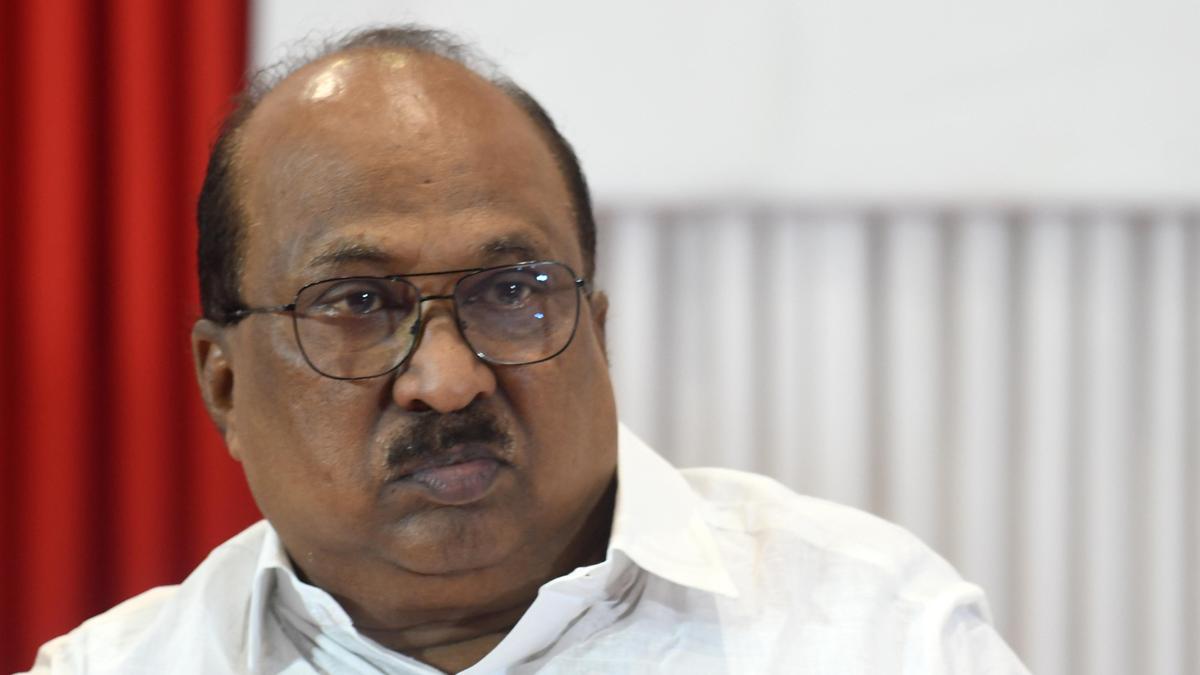
K.V. Thomas, the Special Representative of the Kerala government in New Delhi, has predicted that the Left Democratic Front (LDF) will stay in power in the state. He believes that voters are looking for stability and want to see current development projects finished by the same team that started them. At the same time, the veteran politician criticized the Congress party, calling their internal disagreements "pitiable." His comments highlight a changing political mood in Kerala where performance might be more important than traditional party loyalty.
Main Impact
The main impact of these statements is the pressure they put on the opposition party, the United Democratic Front (UDF), led by Congress. For decades, Kerala has followed a pattern of changing its government every five years. However, the LDF broke this tradition in the last election by winning a second term in a row. K.V. Thomas suggests that this trend of "continuity" is becoming the new normal. If his prediction is correct, it would mean a major shift in how Kerala politics works, moving away from a rotating power system to one based on long-term project management.
Key Details
What Happened
K.V. Thomas shared his views on the current political climate in Kerala during a recent discussion. He pointed out that while people naturally think about change, they also value the progress made on big infrastructure and social programs. He argued that the public prefers to let the current administration finish the work it has already begun. This perspective is particularly notable because Thomas was a high-ranking member of the Congress party for many years before taking his current role with the LDF-led government.
Important Numbers and Facts
The LDF made history in 2021 by becoming the first government in Kerala to win back-to-back terms in over 40 years. Thomas believes the next election could see a similar result. He specifically mentioned that the internal fighting within the Congress party is a major disadvantage for the opposition. In recent months, various leaders within the Kerala Congress have disagreed publicly on strategy and leadership, which Thomas claims makes them look weak to the average voter. He suggests that without a united front, the opposition cannot convince the public that they are a better choice than the current government.
Background and Context
To understand why these comments matter, one must look at the history of K.V. Thomas. He served as a Union Minister and was a prominent face of the Congress party in Kerala for decades. His move to work with the LDF government as a representative in New Delhi was a significant political event. His current role involves acting as a bridge between the state government and the central government in the capital. Because he knows the inner workings of both the Congress and the LDF, his insights into party health and voter behavior are taken seriously by political observers.
Kerala politics is usually a fight between two main groups: the LDF, led by the Communist Party of India (Marxist), and the UDF, led by the Indian National Congress. For a long time, voters would get tired of one group and vote for the other in the next election. This "revolving door" kept both sides on their toes. However, the LDF has focused heavily on social welfare and large-scale building projects, which Thomas says has changed the way people think about voting.
Public or Industry Reaction
The reaction to Thomas's comments has been split along party lines. Supporters of the LDF have welcomed his words, seeing them as a confirmation that their focus on development is working. They argue that the state needs a steady hand to navigate economic challenges. On the other hand, leaders from the Congress party have dismissed his remarks. They often point out that Thomas left their party and suggest his views are biased toward his current employers. Some political analysts agree that Congress needs to fix its internal issues, but they also warn that anti-incumbency—the tendency for voters to grow tired of a long-serving government—could still play a role in the future.
What This Means Going Forward
Going forward, the focus in Kerala will likely remain on development and governance. If the LDF continues to push its major projects, such as transport improvements and digital infrastructure, they will use "continuity" as their main campaign slogan. For the Congress party, the challenge is clear: they must stop the internal fighting that Thomas described as "pitiable." To win back the trust of the voters, they will need to present a united team and a clear plan that offers more than just a change of faces. The next few years will show if Kerala has truly moved away from its habit of switching governments or if the desire for change will eventually outweigh the desire for stability.
Final Take
The comments by K.V. Thomas reflect a broader debate in Indian politics about whether voters prefer fresh faces or proven stability. By highlighting the weaknesses of the Congress party and the strengths of the LDF's development agenda, he has set the stage for a high-stakes political battle. In a state as politically active as Kerala, the ability to finish what you started might just be the most powerful tool a leader can have.
Frequently Asked Questions
Who is K.V. Thomas?
K.V. Thomas is a veteran politician who currently serves as Kerala's Special Representative in New Delhi. He was previously a senior leader in the Congress party and served as a Union Minister.
Why did he criticize the Congress party?
He described the internal fighting and lack of unity within the Congress party as "pitiable," suggesting that these conflicts make it difficult for them to challenge the current government effectively.
What is "continuity in governance"?
This refers to the idea of keeping the same government in power so that long-term projects and policies can be completed without interruption or changes in direction.



