
Summary
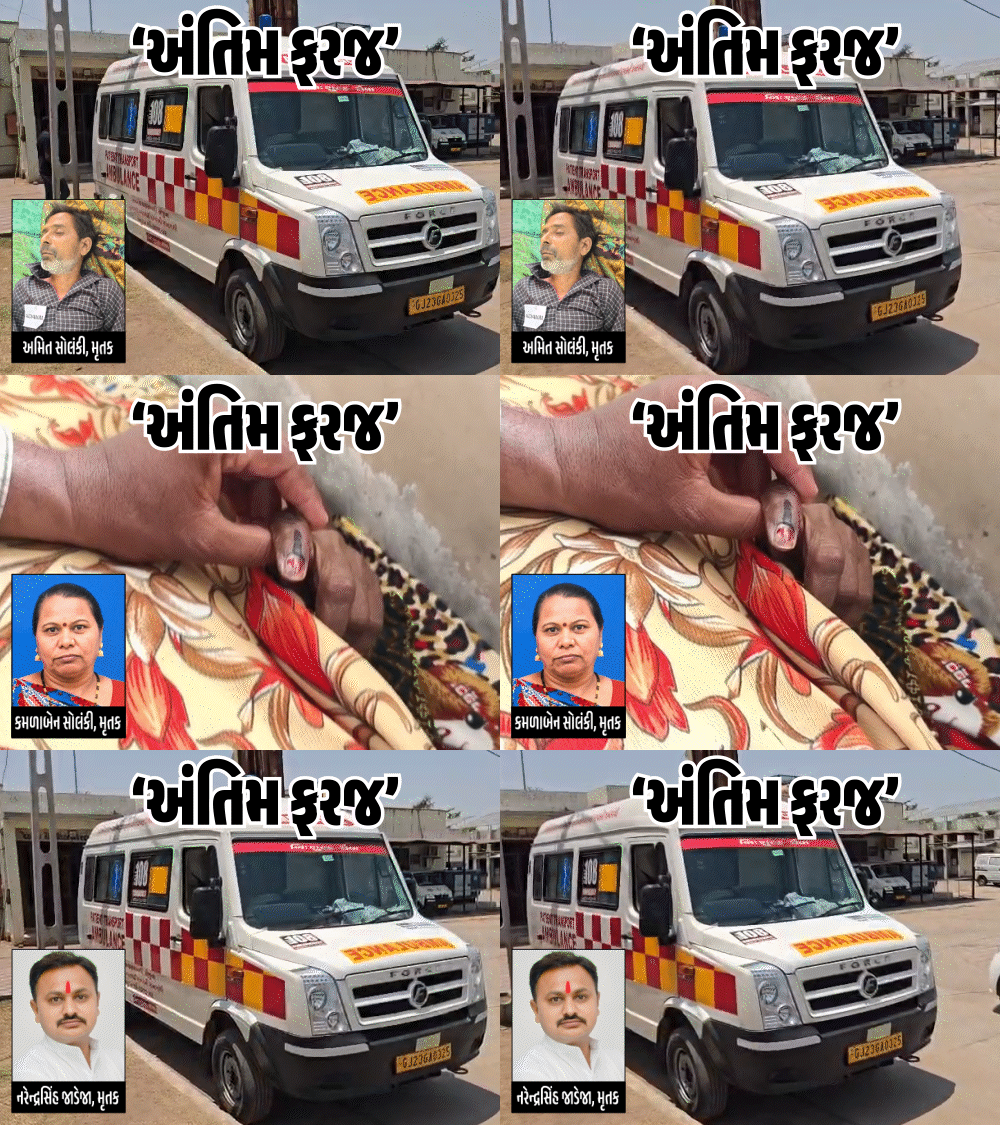
Gujarat is currently holding large-scale local body elections across the state, but the day has been marked by tragedy. Three people, including a political candidate and a polling staff member, have died from heart attacks while the voting process was active. Extreme heat, with temperatures reaching up to 44 degrees Celsius, is creating difficult conditions for both voters and officials. Despite these challenges and several technical issues with voting machines, citizens are still turning out to cast their ballots in this major democratic event.
Main Impact
The primary impact of today’s events is the growing concern over public health during summer elections. The loss of three lives has cast a shadow over the voting process. With temperatures soaring to dangerous levels, political parties are finding it hard to bring voters to the booths. The heat is not just a matter of discomfort; it has become a safety risk for the elderly and those working long hours at the polling stations. This situation has forced officials to balance the need for high voter turnout with the physical well-being of the public.
Key Details
What Happened
Tragedy struck in three different locations during the voting hours. In Jamnagar, a candidate from the Aam Aadmi Party (AAP) passed away due to a heart attack. In Patan, a woman named Kamalaben Anilbhai collapsed shortly after casting her vote at the BM High School booth. Although she was rushed to a hospital in an ambulance, doctors could not save her. In a third incident, a government employee named Amitbhai Vithalbhai Solanki died while on duty in the Petlad area of Anand. He was working as a peon for the local village office when he suddenly fell ill and died before reaching the hospital.
Important Numbers and Facts
The scale of this election is massive, covering various levels of local government. Here are the key figures:
- Total seats being contested: 10,000
- Total candidates in the race: Over 25,000
- Municipal Corporations involved: 15 out of 17
- District Panchayats: 34
- Taluka Panchayats: 260
- Municipalities (Nagarpalikas): 84
- Peak Temperature: 44 degrees Celsius
- Voting Hours: 7:00 AM to 6:00 PM
Background and Context
Local body elections are often called the "festival of democracy" at the grassroots level. They allow people to choose the leaders who will manage their immediate surroundings, such as city services, village roads, and local schools. In previous years, these elections were held on different days for cities and villages. However, this year, the government decided to hold all of them at once. This change has put a lot of pressure on the administration to manage thousands of polling booths on a single day, especially during a period of intense summer heat.
Public or Industry Reaction
The reaction from the public has been a mix of determination and worry. In Surendranagar, a 100-year-old woman gained attention for arriving at the booth to vote, showing that age is no barrier to civic duty. In Gondal, a groom decided to vote at a local school before heading to his own wedding procession. However, there is also frustration. In Bharuch, a power failure forced people to vote by candlelight, which raised concerns about security and fairness. In Jamnagar, technical problems with Electronic Voting Machines (EVMs) delayed the start of voting by an hour, leading to long lines in the hot sun. Political leaders are urging the government to provide better facilities, like shade and water, at all polling locations.
What This Means Going Forward
Moving forward, these incidents may lead to a debate about the timing of elections in India. Holding major outdoor events during peak summer months poses a significant health risk. Election officials might need to consider better medical support at every booth, including more ambulances and cooling areas. For the current election, the focus remains on finishing the count safely. The results will show not only which party won but also how the extreme weather influenced the final voter turnout numbers.
Final Take
While the spirit of voting remains strong in Gujarat, the tragic loss of life today serves as a reminder of the physical toll such events can take. Democracy requires participation, but it also requires a safe environment for every citizen and worker involved. As the heat continues to rise, the safety of the people must remain the top priority alongside the integrity of the vote.
Frequently Asked Questions
How many people died during the Gujarat local elections?
Three deaths have been reported so far. These include an AAP candidate in Jamnagar, a voter in Patan, and a polling staff member in Anand. All three are believed to have suffered heart attacks.
What caused the delays in voting?
In Jamnagar, voting was delayed by about an hour because the Electronic Voting Machines (EVMs) were not working properly. In Bharuch, a power outage forced voters to use candlelight to see their ballots.
How hot was it during the election?
Temperatures reached as high as 44 degrees Celsius in some parts of the state. This extreme heat made it difficult for many people to stand in line and led to several health emergencies at polling stations.



