
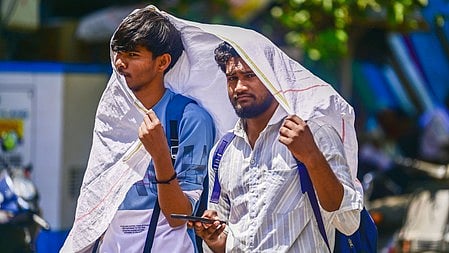
Summary
The India Meteorological Department (IMD) has issued a new warning about rising temperatures across many parts of the country. Weather experts expect the heat to increase in several districts over the next few days, which could lead to serious health problems for many people. Doctors are now telling everyone to take extra care to avoid getting sick from the extreme heat. Staying hydrated and avoiding the sun during the hottest parts of the day are the most important steps to stay safe right now.
Main Impact
The primary concern with this heatwave is how it affects the human body. When it gets very hot outside, our bodies have to work much harder to stay cool. If the temperature stays high for a long time, our natural cooling systems can stop working correctly. This leads to dehydration, which is when the body does not have enough water and salts to function. This can cause people to feel very weak, dizzy, or even faint. In the worst cases, extreme heat can damage important organs like the heart and kidneys, making this a serious public health issue.
Key Details
What Happened
The weather department noticed that temperatures are climbing higher than usual for this time of year. While April is always a warm month in India, the current heat is becoming more intense. Doctors have observed more people coming in with signs of heat stress. They explain that the human body likes to stay at a steady temperature of about 36.9°C. To do this, we sweat and breathe faster. However, when it is extremely hot for many hours, sweating causes us to lose not just water, but also sugar and essential salts that our nerves and muscles need to work.
Important Numbers and Facts
Recent reports show that temperatures in places like Rajasthan have already hit 46 degrees Celsius. Health experts say that drinking plain water is good, but it might not be enough when you are sweating a lot. They suggest using Oral Rehydration Salts (ORS). According to the World Health Organization, a proper ORS packet contains a specific mix of sodium chloride, glucose, potassium chloride, and trisodium citrate. One packet should be mixed into exactly one litre of water that has been boiled and then cooled. This mixture must be finished or thrown away after 24 hours to stay safe and effective.
Background and Context
Heatwaves happen in India almost every year, but the timing and intensity can change. This year, weather experts say a big reason for the intense heat is the lack of "western disturbances." These are weather patterns that usually bring clouds and light rain from the west, which help break the heat and cool the air. Without these disturbances, the sun shines directly on the ground for longer periods, causing the heat to build up quickly. This creates short but very strong phases of extreme heat that can be dangerous if people are not prepared.
Public or Industry Reaction
Medical professionals are very active in sharing advice right now. They are telling people to look out for early warning signs of heat illness. These signs include having a very dry mouth, feeling unusually tired, or noticing that urine is dark in color. Public health authorities are also asking people to keep ORS packets at home and in their bags. Employers are being encouraged to give outdoor workers more breaks and access to shade. The general message from the medical community is that prevention is much better than trying to treat a heatstroke after it happens.
What This Means Going Forward
Since the heatwave is expected to last for a while, people need to change their daily habits. This means planning outdoor chores for the early morning or late evening when the sun is not as strong. It also means checking on elderly neighbors and children, as they get sick from the heat more quickly than healthy adults. If temperatures continue to stay this high, there may be more pressure on hospitals and clinics. Staying informed about weather updates from the IMD will be vital for everyone over the coming weeks.
Final Take
The rising temperatures are a clear reminder of how much the weather affects our daily health. By following simple advice like drinking enough fluids, using ORS, and staying out of the midday sun, most people can stay safe. It is important to take these warnings seriously and not wait until you feel sick to start drinking water and seeking shade.
Frequently Asked Questions
What are the best drinks to have during a heatwave?
Water is the best choice, but if you are sweating a lot, you should also drink ORS or natural drinks like coconut water. These help replace the salts and minerals your body loses through sweat. Avoid drinks with too much caffeine or sugar, as they can actually make dehydration worse.
When is the sun most dangerous during the day?
The sun is usually at its strongest and most dangerous between 11:00 AM and 4:00 PM. It is best to stay indoors or in the shade during these hours. If you must go outside, wear light-colored, loose clothing and a hat to protect yourself.
What should I do if someone feels faint from the heat?
Move the person to a cool, shady place immediately. Give them small sips of water or ORS if they are conscious. Use a wet cloth to cool their skin and fan them. If they do not feel better quickly or if they lose consciousness, call for medical help right away.

