
Summary
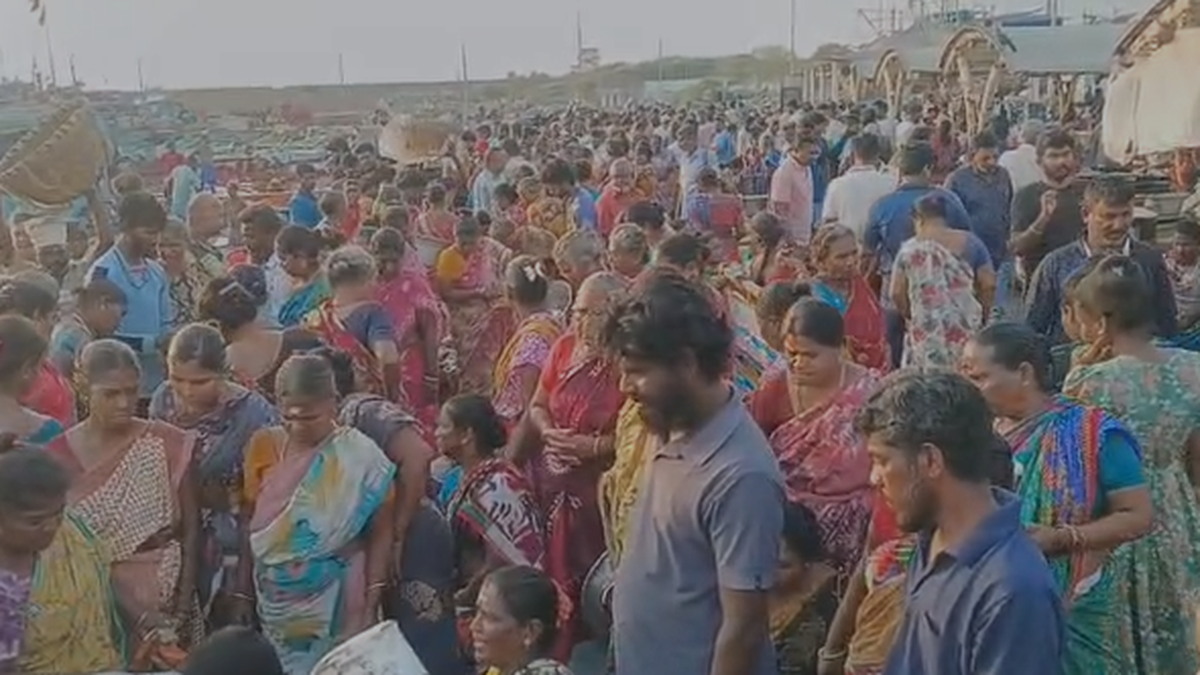
Large crowds of shoppers gathered at the Kasimedu fish market this weekend despite a significant jump in seafood prices. The cost of popular fish varieties has risen sharply because of the current fishing ban on the east coast. Even with these higher rates, the demand for fresh fish remains very high among local residents. Traders reported that prices for some items have nearly doubled compared to a few weeks ago.
Main Impact
The most immediate impact of this price hike is on the household budgets of people in Chennai. Families who usually buy fish every Sunday are now paying much more for the same amount of food. This price increase is driven by a shortage of supply. Since large fishing boats are not allowed to go out to sea, the market relies on smaller boats that bring in much less fish. This imbalance between high demand and low supply has made seafood a luxury item for many during this period.
Key Details
What Happened
On Sunday morning, the Kasimedu fishing harbor saw thousands of visitors looking for fresh catch. Usually, a high price tag would keep people away, but the market was crowded from the early hours of the day. Most of the fish available came from small fiber boats that operate near the shore. Because these boats cannot carry as much as the large trawlers, the total amount of fish in the market was very low. This scarcity allowed sellers to ask for much higher prices than usual.
Important Numbers and Facts
Traders at the market shared specific price changes that show how expensive fish has become. Vanjaram, which is one of the most popular types of fish, was selling for about ₹800 per kilogram before the fishing ban started. On Sunday, the price for the same fish reached ₹1,200 per kilogram. Other types of fish also saw big jumps in cost:
- Paarai (Trevally): Increased from ₹530 per kg to ₹950 per kg.
- Nethili (Anchovies): Increased from ₹370 per kg to ₹600 per kg.
- Sankara (Red Snapper): Also saw a rise of about ₹200 to ₹300 per kg depending on the size.
These figures represent a price hike of 50% to 80% across the board. Despite these numbers, the stock in many stalls was sold out before the afternoon.
Background and Context
The reason for this sudden change in price is the annual fishing ban. Every year, the government stops large boats from fishing for about 61 days. This usually happens during the breeding season for fish. The goal is to allow fish populations to grow without being disturbed by large nets. This helps make sure there are enough fish in the ocean for the rest of the year.
During this ban, only small boats with outboard motors are allowed to go into the sea. These boats stay close to the land and cannot catch large amounts of fish. Because the big ships that bring in tons of seafood are docked, the market feels the pressure. Kasimedu is the largest fish market in the region, so when supply drops there, it affects prices in smaller markets across the entire city.
Public or Industry Reaction
Many customers expressed surprise at the high costs but still chose to buy fish. For many families in Chennai, buying fish on Sunday is a long-standing tradition. Some shoppers said they bought smaller quantities than they usually do to save money. Others decided to buy cheaper varieties of seafood, like prawns or crabs, which were slightly more affordable than the premium fish like Vanjaram.
Traders have mixed feelings about the situation. While they are happy that people are still coming to the market, they find it difficult to explain the high prices to angry customers. Some sellers mentioned that their profit margins are not necessarily higher because they also have to pay more to get the fish from the boat owners. They noted that the crowd size shows how much people in the city value fresh seafood over frozen options.
What This Means Going Forward
Prices are expected to stay high for the next several weeks. The fishing ban typically lasts until mid-June. Until the ban is lifted and the large trawlers return to the deep sea, the supply will remain limited. Consumers should prepare for high prices for at least another month. If the weather becomes rough, even the small boats might stop going out, which could cause prices to go even higher.
Once the ban ends, there is usually a "flush" of new fish in the market. At that point, prices will likely drop back to normal levels. For now, experts suggest that shoppers look for alternative protein sources or be ready to pay a premium for their favorite seafood.
Final Take
The situation at Kasimedu shows that local food habits are very strong. Even when prices rise by nearly double, the community's love for fresh fish keeps the market active. While the fishing ban is necessary for the environment, it creates a difficult time for both sellers and buyers. For the next few weeks, a trip to the fish market will require a much larger budget than usual.
Frequently Asked Questions
Why is fish so expensive at Kasimedu right now?
Prices are high because of the annual 61-day fishing ban. Large boats are not allowed to fish, which means there is very little supply available in the market.
Which fish saw the biggest price increase?
Vanjaram and Paarai saw the biggest jumps. Vanjaram went from ₹800 to ₹1,200 per kg, while Paarai nearly doubled from ₹530 to ₹950 per kg.
When will the fish prices go back to normal?
Prices are expected to decrease after the fishing ban ends, which is usually in the middle of June. Once large boats start bringing in big catches again, the costs will drop.



