Summary
Children in Iran are facing deep emotional and mental pain due to the ongoing threat of conflict. Even if the physical fighting stops tomorrow, the psychological damage left behind will likely last for a lifetime. Parents and aid workers report that young people are living in a state of constant terror, which changes how they grow, learn, and interact with the world. This crisis is creating a generation that may never fully feel safe again.
Main Impact
The most significant impact of this situation is the long-term trauma being forced upon the youngest members of society. When children live through explosions, sirens, and the loss of their homes, their brains stay in a constant state of "survival mode." This prevents them from developing normally. Experts warn that even in a peaceful future, these children will carry the weight of these experiences, leading to high rates of anxiety and depression across the country.
Key Details
What Happened
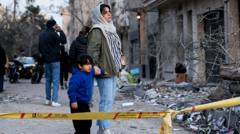
Recent reports and testimonies from families inside Iran paint a grim picture of daily life. Children are frequently woken up by the sound of sirens or distant blasts. Many have stopped attending school because it is no longer safe to walk the streets or sit in a classroom. This loss of routine has stripped away the sense of stability that every child needs to thrive. Parents describe their children as being "on edge," jumping at the slightest noise, such as a door slamming or a car backfiring.
Important Numbers and Facts
While exact numbers are hard to track during active conflict, health workers suggest that a large percentage of children in affected areas show signs of post-traumatic stress disorder (PTSD). In some regions, school attendance has dropped by more than 50% as families prioritize physical safety over education. Furthermore, the lack of trained child psychologists in the country means that the vast majority of these children are receiving no professional help to process what they have seen and heard.
Background and Context
The situation in Iran has become increasingly tense due to both internal struggles and external military pressures. For years, the region has seen cycles of violence that disrupt civilian life. Unlike adults, children do not have the life experience to understand why these events are happening. To them, the world simply feels like a dangerous and unpredictable place. This context is important because it shows that the current trauma is not an isolated event but part of a long history of instability that keeps repeating itself.
Public or Industry Reaction
Aid organizations and mental health experts are sounding the alarm. They argue that the international community often focuses on physical aid, like food and medicine, while ignoring the "invisible wounds" of war. Parents in Iran have expressed a sense of total helplessness. Many say they feel guilty because they cannot provide a safe environment for their kids. Doctors on the ground report that they are seeing physical symptoms of stress in children, such as chronic stomach pain, headaches, and a total loss of appetite, which are all linked to the fear they feel every day.
What This Means Going Forward
The path ahead is difficult. Rebuilding broken buildings and roads is a matter of money and labor, but rebuilding a child’s sense of security is much harder. If the fighting stops, there will be an immediate need for a massive mental health program. Without this, the country faces a future where its workforce and leaders are struggling with untreated trauma. There is also the risk that this fear will turn into anger, leading to more cycles of violence in the future. The next steps must include not just a ceasefire, but a plan for long-term emotional recovery.
Final Take
True peace is more than just the absence of gunfire; it is the presence of safety and mental well-being. For the children of Iran, the war does not end when the bombs stop falling. It continues in their dreams and their daily fears. Addressing this mental health crisis is just as important as any political or military solution. If the world ignores the suffering of these children now, the cost will be paid for generations to come.
Frequently Asked Questions
How does war affect a child's mental health?
War causes constant stress, which can lead to PTSD, anxiety, and depression. It can also cause children to lose their ability to trust others or feel safe in their own homes.
Can children recover from this kind of trauma?
Yes, but it requires a lot of time, a stable environment, and professional help. Without support, the effects of trauma can last well into adulthood.
What are the signs of stress in these children?
Common signs include trouble sleeping, bedwetting, becoming very quiet or aggressive, and physical pains like headaches or stomach aches that have no clear medical cause.