Summary
India is seeing a major change in how it produces silk. Traditional farming methods are being replaced by high-tech systems and scientific research. Many experts and scientists are now moving from laboratories to the fields to run their own silk farms. This shift is helping the country produce better quality silk while making the process more efficient and profitable for workers.
Main Impact
The move toward high-tech silk farming is changing the lives of thousands of people in rural India. By using modern tools, farmers can now grow more silk with less effort and fewer losses. This change is not just about machines; it is about using data and biology to ensure that silkworms stay healthy. As a result, India is strengthening its position as a top global producer, helping the local economy grow and providing more stable jobs for the younger generation.
Key Details
What Happened
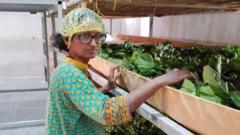
For a long time, silk farming in India was a manual job passed down through families. It relied heavily on the weather and basic tools. Recently, a new wave of "scientist-farmers" has emerged. These individuals use their knowledge of biology and technology to control every part of the silk-making process. They use automated systems to feed the worms and sensors to keep the temperature perfect. This scientific approach reduces the risk of diseases that used to wipe out entire crops of silkworms.
Important Numbers and Facts
India is currently the second-largest producer of silk in the world, right after China. It is also the only country that produces all five major types of silk: Mulberry, Eri, Muga, Tropical Tasar, and Temperate Tasar. With the introduction of new technology, some farms have reported a 30% increase in their total output. Additionally, the government has invested millions of dollars into the Central Silk Board to help spread these modern techniques to smaller villages across the country.
Background and Context
Silk production, also known as sericulture, has been a part of Indian culture for hundreds of years. It involves growing mulberry trees to feed silkworms, which then spin cocoons made of silk threads. In the past, this was a very risky business. If the room was too hot or too cold, the worms would die. If the leaves were not fresh, the silk quality would drop. By bringing science into the farm, these risks are managed. Scientists understand the genetics of the worms and the chemistry of the soil, which allows them to create the best possible environment for silk production.
Public or Industry Reaction
The reaction from the industry has been very positive. Young professionals who once left their villages for city jobs are now returning to start high-tech silk businesses. They see it as a modern way to make a good living while staying close to home. Industry experts say that this "renewal" is exactly what India needs to compete on a global scale. Traditional farmers are also eager to learn these new ways because they see the clear benefits in their bank accounts. The mix of old wisdom and new science is being welcomed as a smart way to move forward.
What This Means Going Forward
Looking ahead, the use of technology in silk farming will only grow. We can expect to see more use of artificial intelligence to monitor the health of silkworms in real-time. There is also a push to make the industry more eco-friendly by using solar power for the machines and recycling water used in the cleaning process. As more scientists enter the field, India may soon challenge for the top spot in global silk exports. The focus will remain on keeping the quality high while making sure the work is sustainable for the environment and the people involved.
Final Take
The transformation of India's silk industry shows that even the oldest traditions can benefit from modern science. By turning farms into high-tech centers, India is protecting its cultural heritage while building a modern economy. This shift from the lab to the farm proves that technology is most powerful when it is used to help people improve their everyday lives and livelihoods.
Frequently Asked Questions
What is sericulture?
Sericulture is the process of raising silkworms to produce silk. It includes growing the plants the worms eat and harvesting the cocoons they spin.
Why are scientists becoming silk farmers?
Scientists are moving into farming because they can use their knowledge to make the process more reliable and profitable. They use data and technology to prevent diseases and increase the amount of silk produced.
How does technology help in silk production?
Technology helps by controlling the environment where the worms live. Sensors monitor heat and humidity, while automated machines help with feeding, ensuring the worms grow in the best possible conditions.