
Summary
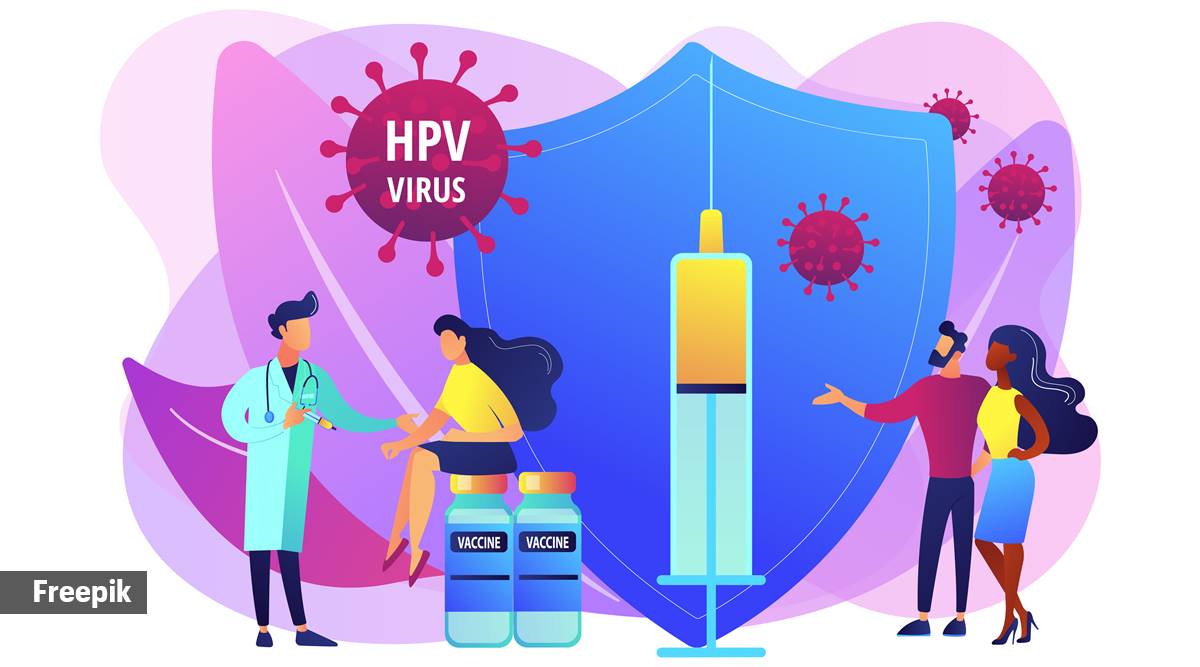
Health officials are facing a major challenge as false information continues to hinder the use of the HPV vaccine. Even though state governments are spending more money and effort to promote the shot, many parents remain hesitant. This vaccine is designed to prevent several types of cancer, but myths spread on social media are making people stay away. Experts warn that if vaccination rates do not improve, thousands of preventable cancer cases could occur in the coming years.
Main Impact
The primary impact of this trend is a growing gap between medical science and public trust. While doctors have proven that the Human Papillomavirus (HPV) vaccine is safe and effective, the spread of "fake news" has created a sense of fear. This fear is slowing down a massive statewide push to protect young people before they are exposed to the virus. Because the vaccine works best when given at a young age, every year of delay increases the risk of health problems later in life.
Key Details
What Happened
Over the last year, several states launched new programs to increase HPV vaccination rates among pre-teens and teenagers. These programs included school-based clinics, public advertisements, and letters sent directly to parents. However, health workers report that many parents are refusing the shot because of things they read online. Common myths include claims that the vaccine causes long-term health issues or that it is not necessary for children. These claims have no scientific basis, but they spread quickly through social media groups and messaging apps.
Important Numbers and Facts
Medical data shows that HPV is responsible for more than 36,000 cases of cancer in the United States every year. The vaccine can prevent over 90% of these cancers if given on time. Most health departments set a goal to have 80% of teenagers fully vaccinated. Currently, many states are struggling to reach even 60%. Research shows that since the vaccine was introduced over 15 years ago, infections with the virus types that cause most cancers have dropped by 88% among teen girls and 81% among young women. Despite these strong numbers, the pace of new vaccinations has started to level off or even drop in some areas.
Background and Context
HPV is a very common virus that most people will get at some point in their lives. In most cases, the body fights it off. However, in some people, the virus stays in the body and causes cells to change, eventually leading to cancer. The most well-known type is cervical cancer, but the virus also causes cancers of the throat, neck, and other areas in both men and women. The vaccine was created to stop these cancers before they ever start. Doctors recommend giving the shot to children aged 11 or 12 because their immune systems respond very well to it at that age. It is also important to vaccinate children before they are ever exposed to the virus.
Public or Industry Reaction
Doctors and nurses are expressing frustration over the situation. Many pediatricians say they now have to spend a large part of every appointment fighting rumors instead of talking about general health. Public health experts are also worried that the "anti-vaccine" movement, which grew during the recent pandemic, is now affecting other routine shots like the one for HPV. On the other side, some parent groups argue that they should have more control over which vaccines their children receive and feel that the state is being too pushy. This tension has made it difficult for schools and clinics to run their programs smoothly.
What This Means Going Forward
If the current trend continues, health officials may need to change their strategy. Instead of just providing facts and figures, they may need to focus on building personal trust within communities. Some states are looking into training "community ambassadors"—local people who are trusted by their neighbors—to talk about the vaccine. There is also a push for better laws to stop the spread of medical lies on social media platforms. The long-term risk is that a whole generation of young people will grow up without protection against a virus that is known to cause cancer. This could lead to a rise in cancer deaths that were completely avoidable.
Final Take
The struggle to increase HPV vaccination rates shows that having a cure is only half the battle. The other half is making sure people believe in the medicine. While the state continues to push for higher numbers, the real solution may lie in better communication and direct conversations between doctors and families. Without a change in how information is shared, the goal of ending HPV-related cancers will remain out of reach.
Frequently Asked Questions
Is the HPV vaccine safe?
Yes, the vaccine has been studied for over 15 years and is monitored by health agencies worldwide. Millions of doses have been given safely, and the most common side effects are just a sore arm or a brief feeling of dizziness.
Why is the vaccine given to children so young?
The vaccine is most effective when given to pre-teens because their bodies build a stronger immune response at that age. It also ensures they are protected long before they are ever exposed to the virus.
Does the vaccine prevent all types of cancer?
The vaccine prevents the types of HPV that cause the vast majority of cervical, throat, and other related cancers. While it does not prevent every single type of cancer, it is a powerful tool for stopping the most common and dangerous ones.



