
Summary
A 24-year-old man suffering from severe heart failure was given a new lease on life thanks to a massive coordination effort between police and medical teams. A donor heart was transported across a distance of 98 kilometers in just 85 minutes, a journey that usually takes much longer through heavy traffic. By creating a "green corridor," authorities ensured the life-saving organ reached the hospital in time for a successful transplant surgery. This event highlights the critical role of speed and teamwork in modern emergency medicine.
Main Impact
The most significant impact of this event is the successful preservation of a human life that was on the brink of being lost. For patients with end-stage heart failure, a transplant is often the only remaining option, but the window of time to move a heart from a donor to a recipient is incredibly small. By cutting the travel time nearly in half, the medical team ensured the heart remained healthy enough for the procedure. This success also serves as a powerful example of how public services, like the police, can work directly with healthcare providers to overcome the challenges of urban traffic and infrastructure.
Key Details
What Happened
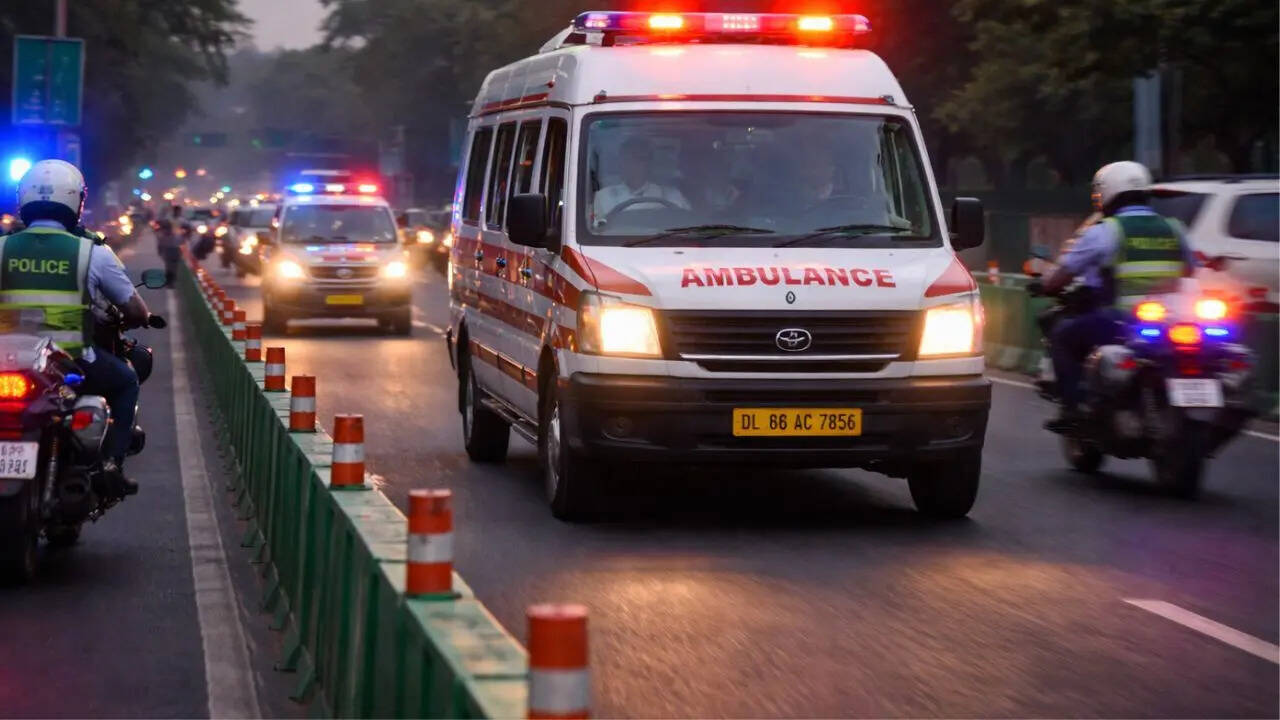
The patient, a young man whose heart was no longer able to pump blood effectively, had been waiting for a compatible donor. When a donor was identified at a hospital nearly 100 kilometers away, the medical team had to act immediately. Once the donor heart was removed, the clock started ticking. To ensure the ambulance did not get stuck in traffic, the police department organized a green corridor. This meant that every traffic light on the route was turned green, and all other vehicles were stopped at intersections to let the ambulance pass without slowing down. The ambulance sped through the route, arriving at the destination hospital where a surgical team was already waiting in the operating room.
Important Numbers and Facts
The logistics of this mission were complex and required precise timing. The total distance covered was 98 kilometers. Under normal driving conditions, this trip would typically take between two and a half to three hours, depending on the time of day. However, the ambulance completed the journey in only 85 minutes. More than 20 police officers were stationed at various points along the route to manage the flow of traffic. The recipient was a 24-year-old male, and the donor was a person who had been declared brain dead following a separate medical emergency. The surgery began almost immediately after the heart arrived at the facility.
Background and Context
Organ transplants are highly sensitive procedures because organs begin to lose their function as soon as they are removed from the donor's body. A heart, in particular, needs to be transplanted into the recipient within four to six hours to have the best chance of working correctly. In many parts of the world, traffic congestion is a major barrier to successful transplants. A "green corridor" is a manual intervention where the police clear a path for an emergency vehicle. This practice has become more common in large cities where narrow roads and high vehicle volume make it impossible for ambulances to move quickly. This specific case shows how vital these corridors are for patients who do not have the luxury of waiting.
Public or Industry Reaction
The public reaction to this successful transport has been overwhelmingly positive. Many people have taken to social media to praise the police officers who stood in the heat to clear the roads. Medical professionals have also pointed out that while the green corridor was a success, it also highlights the need for more people to sign up as organ donors. In the healthcare industry, this event is being seen as a win for logistical planning. It proves that even with difficult geography and heavy road use, life-saving organs can be moved safely if there is a clear plan and strong communication between different government departments.
What This Means Going Forward
Moving forward, this event may lead to more formal policies regarding emergency medical transport. As cities grow more crowded, the reliance on green corridors will likely increase. There is also a growing discussion about using air ambulances or drones for organ transport to avoid road traffic altogether, though these methods are currently much more expensive. For the patient, the focus is now on recovery and ensuring his body accepts the new heart. For the medical community, the success of this 98-kilometer dash serves as a case study in how to manage high-pressure situations where every minute counts toward a patient's survival.
Final Take
The story of this 85-minute journey is a reminder of what can be achieved when a community works together to save a single life. It shows that technology and medicine are only part of the solution; human coordination and the willingness of the police to prioritize medical emergencies are just as important. While the surgery was a technical success, the true victory lies in the teamwork that allowed the heart to reach the operating table in the first place. This event gives hope to many others on transplant waiting lists, showing that the system can work effectively when it is needed most.
Frequently Asked Questions
What is a green corridor?
A green corridor is a special route cleared by police to allow an ambulance carrying a donated organ to travel quickly. All traffic lights are kept green, and other cars are stopped to ensure the ambulance does not have to wait in traffic.
Why is speed so important for a heart transplant?
A heart can only survive outside the human body for a very short time, usually between four and six hours. If the heart is not transplanted within this window, it may become damaged and fail to work in the recipient's body.
How far did the ambulance travel in this case?
The ambulance traveled 98 kilometers in 85 minutes. This is much faster than a normal car could travel that distance, especially in areas with heavy traffic and many intersections.



