
Summary
The local government elections in Gujarat have reached their final and most intense stage. With only two days left before campaigning must stop, major political parties are putting all their energy into winning over voters. High-ranking leaders, including Chief Minister Bhupendra Patel and Minister Harsh Sanghavi, are leading massive rallies in key cities like Surat and Rajkot. While these events show political strength, some leaders are also facing tough questions and protests from citizens regarding local issues and basic services.
Main Impact
The current wave of campaigning is designed to secure votes in areas that hold a lot of political influence. By holding a large bike rally in Surat’s Patidar-dominated areas, the ruling party is trying to strengthen its bond with a very important group of voters. These rallies are not just about showing support; they are about proving that the party is active and present on the ground. However, the impact is not entirely positive everywhere. In some parts of Ahmedabad, the public's frustration over poor local facilities has led to direct confrontations with politicians, showing that grand events cannot always hide local problems.
Key Details
What Happened
In Surat, Chief Minister Bhupendra Patel is leading a major bike rally today, April 23. The rally is set to move through the heart of the city, specifically from Simada Naka to the Hirabaug Circle. This area is known for having a large population of the Patidar community, making it a vital spot for any political party. To ensure everything goes smoothly, the city police have put strict security measures in place along the entire route.
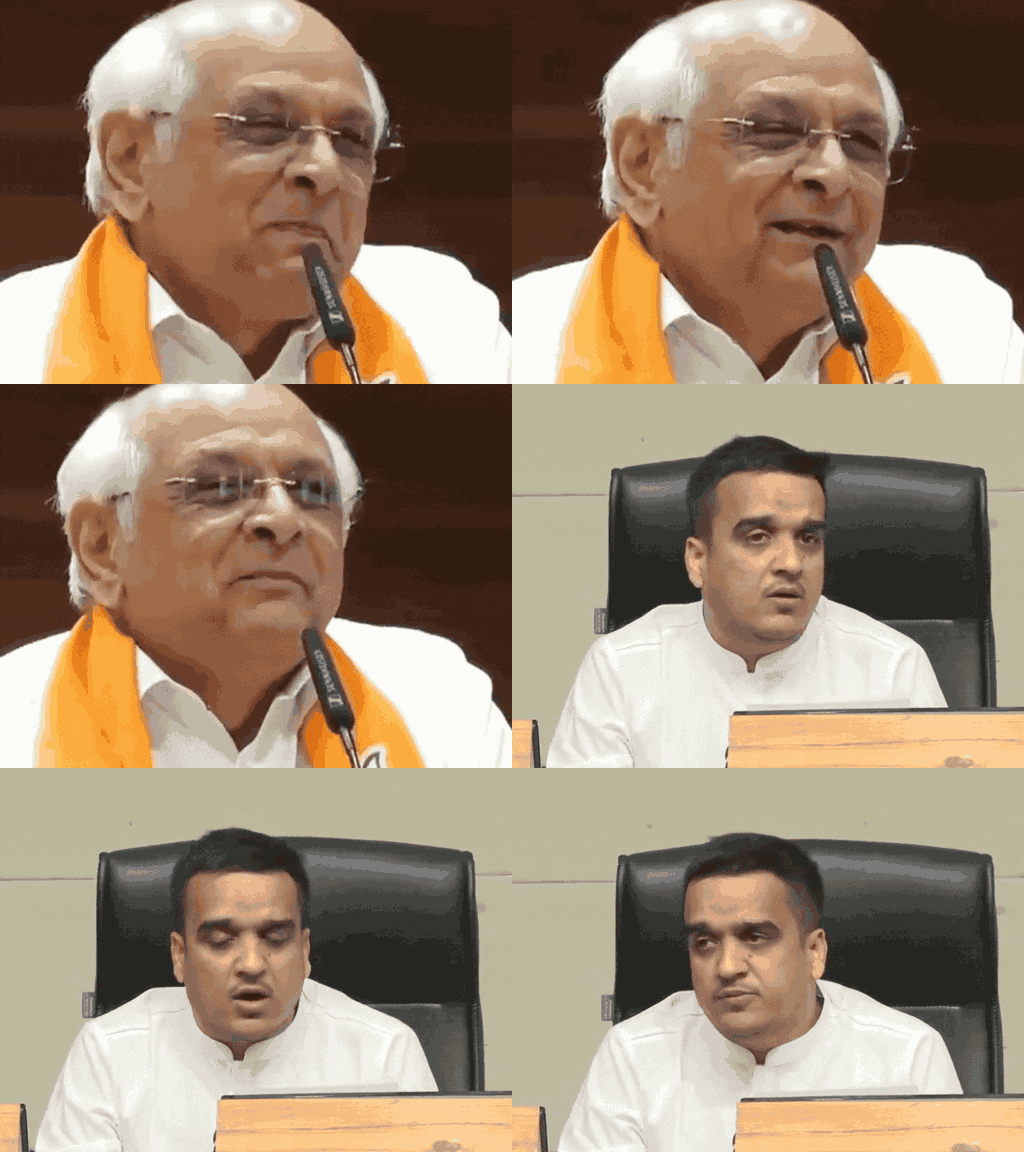
Meanwhile, in Rajkot, Harsh Sanghavi is scheduled to hold a large roadshow in the older parts of the city starting at 5 PM. This event is expected to draw large crowds as the party tries to capture the interest of voters in the traditional business hubs of Rajkot. Additionally, Parshottam Rupala has been using a light-hearted and humorous approach during his speeches to keep the audience engaged and entertained while sharing his political message.
Important Numbers and Facts
The campaigning period is set to end in exactly 48 hours. This means leaders have very little time left to reach the thousands of voters in these major cities. In Ahmedabad, a meeting held for the Scheduled Caste community in the Odhav area turned into a difficult situation for the BJP. Local residents, including many women, arrived with posters to protest the lack of basic facilities like clean water and proper roads. Because of the rising anger from the crowd, Member of Parliament Dr. Kirit Solanki and four other candidates had to leave the event before it was finished.
Background and Context
Local body elections are very important because they decide who will manage the daily needs of a city. This includes things like garbage collection, road repairs, street lights, and water supply. For the people living in these cities, these elections often matter more than national ones because the results directly affect their neighborhoods. The Patidar community in Surat has historically played a huge role in deciding who wins. This is why the Chief Minister is spending his time personally visiting these specific areas. The protests in Ahmedabad also show that voters are becoming more vocal about their demands for better living conditions.
Public or Industry Reaction
The reaction from the public has been a mix of excitement and frustration. Many supporters are happy to see top leaders visiting their streets and participating in bike rallies. The use of humor by leaders like Rupala has also been well-received by those who enjoy a more relaxed style of campaigning. On the other hand, the incident in Odhav shows a growing trend of citizens holding their leaders accountable. Instead of just listening to speeches, people are using these public meetings to demand answers about why their local problems have not been solved yet.
What This Means Going Forward
As the clock ticks down to the end of the campaign, the pressure will increase on all candidates. The next 48 hours will see even more door-to-door visits and small neighborhood meetings. The success of the bike rallies in Surat and Rajkot will be tested on election day. If the party can turn the energy from these rallies into actual votes, they will likely maintain their control. However, the protests in Ahmedabad serve as a warning. If political parties do not address the basic needs of the people, they might face more resistance in the future, regardless of how big their rallies are.
Final Take
The final push for votes in Gujarat shows a clear divide between grand political displays and the everyday struggles of the people. While high-profile rallies bring excitement to the streets, the real test for any leader remains their ability to provide basic services to the citizens who elect them.
Frequently Asked Questions
When does the election campaigning end?
The campaigning for the local body elections is scheduled to end 48 hours before the voting begins. This gives voters a quiet period to make their final decisions.
Why is the bike rally in Surat important?
The rally is important because it passes through areas with a high population of the Patidar community. This group has a major influence on the election results in Surat.
Why did people protest in Ahmedabad?
Residents in the Odhav area of Ahmedabad protested because they are unhappy with the lack of basic facilities like water and roads. They used the political meeting as a chance to show their anger to the leaders.



