
Summary
Voters across Tamil Nadu faced significant travel challenges on election day due to a shortage of public transportation. Many citizens trying to reach their home districts to cast their votes were met with long delays and extreme crowding at major bus terminals. This lack of adequate transport services made it difficult for people to fulfill their civic duties, causing frustration for thousands of commuters who had planned to travel to their native places.
Main Impact
The primary impact of the transport shortage was a direct hurdle to the democratic process. When people cannot easily reach their polling stations, voter turnout can suffer. Many workers and students living in large cities like Chennai rely entirely on state-run and private buses to get home. The congestion at bus hubs led to hours of waiting, which discouraged some from traveling and left others stranded late into the night. This situation highlighted a gap between the government's call for 100% voter participation and the physical means provided to achieve it.
Key Details
What Happened
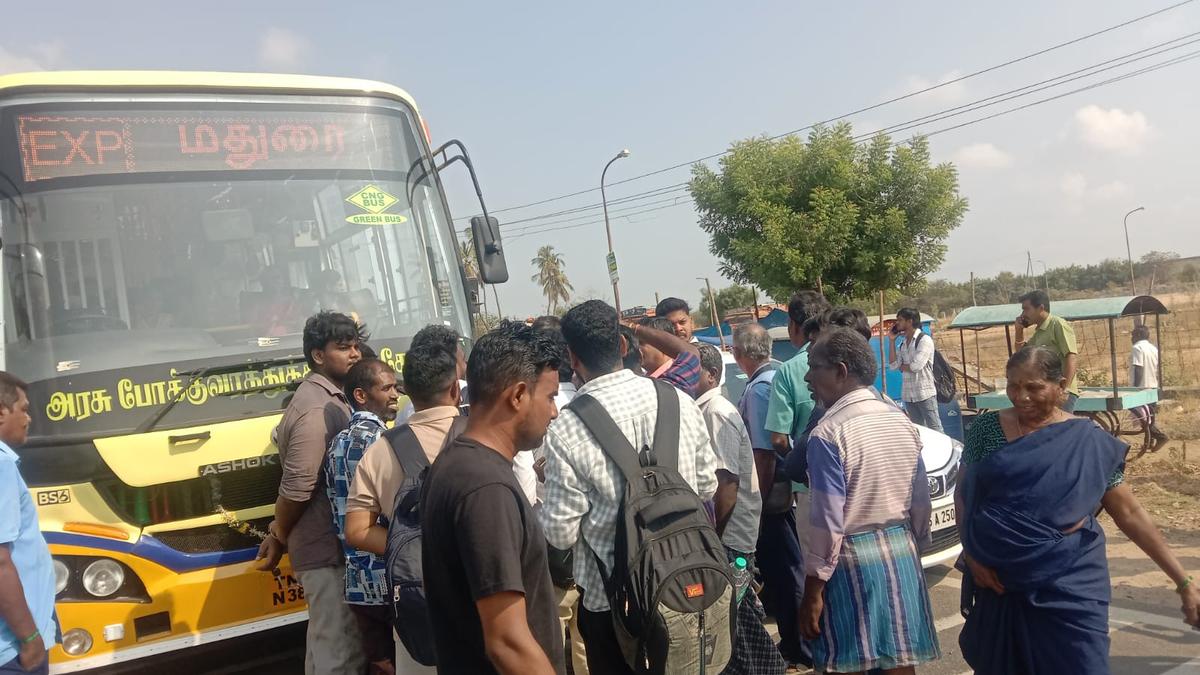
On the day of the elections, a massive wave of people moved from urban centers toward rural areas. However, the number of buses available was not enough to meet the high demand. At major stations, the platforms were packed with people, including families with young children and elderly citizens. Many passengers reported that buses were already full by the time they reached the boarding points. This forced many to wait for several hours in the heat, hoping for an extra vehicle to arrive. In some cases, the lack of clear information about bus schedules added to the confusion and stress of the travelers.
Important Numbers and Facts
While the state government usually announces thousands of special buses for major festivals and elections, the supply on this polling day did not seem to match the actual number of travelers. Reports indicated that major hubs like the Kilambakkam and Koyambedu terminals in Chennai saw thousands of people waiting at once. Some private bus operators were also noted to be running at full capacity, with some passengers claiming that ticket prices had increased significantly due to the last-minute rush. The delay in services meant that many voters reached their destinations much later than expected, leaving them with very little time to visit the polling booths before they closed.
Background and Context
In Tamil Nadu, it is very common for people to move from villages to cities for jobs and education. However, these individuals often remain registered to vote in their home villages. This means that every election creates a massive temporary migration. The state government is responsible for managing this movement through the Tamil Nadu State Transport Corporation. While the authorities often plan for extra services, the sheer volume of people traveling at the same time often tests the limits of the existing infrastructure. This year, the mismatch between the number of voters and the available transport became a major talking point across the state.
Public or Industry Reaction
The public reaction was largely one of anger and disappointment. Many commuters took to social media to share photos of overcrowded stations and empty bus bays. They questioned why more preparations were not made, given that the election date was known well in advance. Some transport unions mentioned that the pressure on drivers and staff was immense, as they tried to manage the crowds with limited vehicles. On the other hand, some citizens praised the police and station staff who tried to maintain order in the middle of the chaos, though they agreed that the system was simply overwhelmed by the number of people.
What This Means Going Forward
This situation shows that better planning is needed for future elections. The transport department may need to use data from previous years to better predict how many people will travel. There is also a need for better coordination between government buses and private operators to ensure that fares remain fair and services are frequent. If the state wants to ensure high voter turnout, it must treat transportation as a vital part of the election setup. Moving forward, authorities might consider starting special services a day earlier or increasing the number of trains to take the pressure off the road network.
Final Take
The right to vote is a basic part of a fair society, but that right is hard to use if people cannot physically get to the ballot box. The travel delays seen across Tamil Nadu serve as a reminder that logistics are just as important as the voting process itself. For a smooth election, the journey to the polling station must be as simple and accessible as the act of voting. Addressing these transport gaps will be essential for the success of future elections in the state.
Frequently Asked Questions
Why were there delays in bus services on election day?
The delays were caused by a massive number of people trying to travel to their home districts at the same time, which exceeded the number of available buses provided by the state and private operators.
Which areas were most affected by the transport shortage?
Major cities like Chennai, Coimbatore, and Madurai saw the most significant crowding, especially at large bus terminals where people gather to travel to rural parts of the state.
How did this affect the voters?
Many voters faced long wait times and overcrowding, which caused stress and exhaustion. In some cases, the delays meant people arrived at their native places with very little time left to cast their votes.



