
Summary
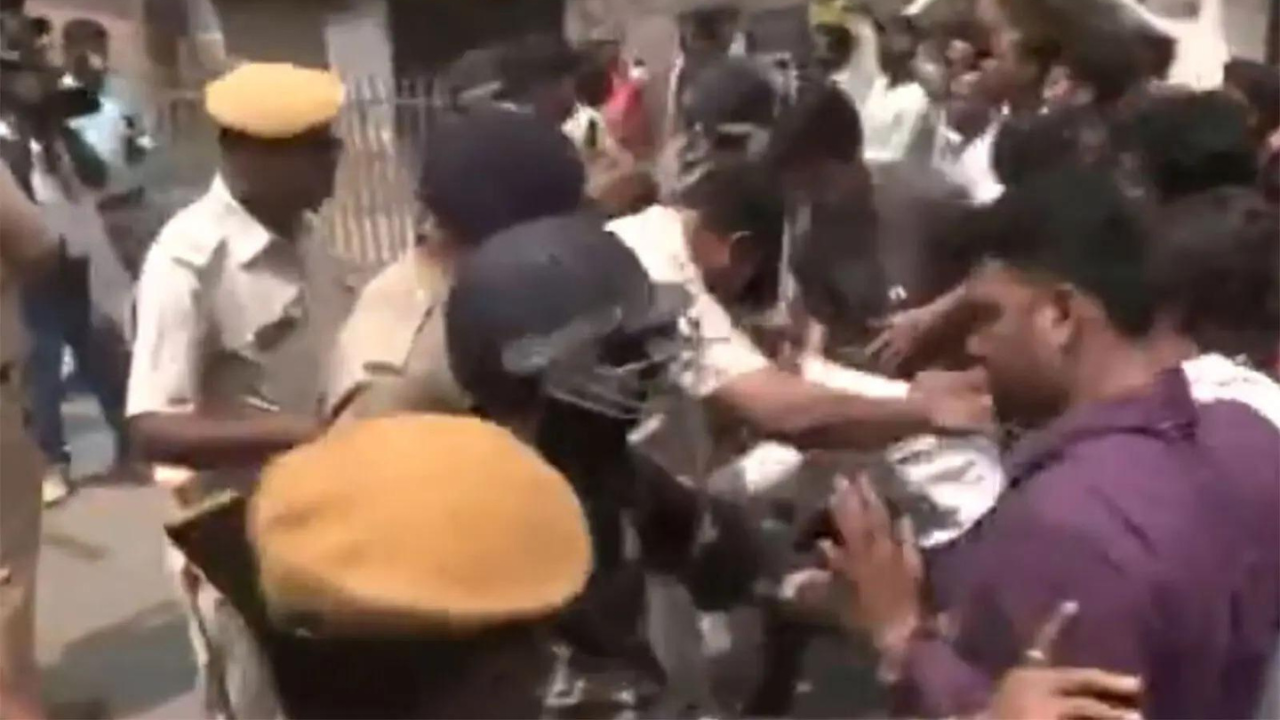
Violence broke out in the Murshidabad district of West Bengal during the first phase of the elections. Supporters of the Trinamool Congress (TMC) and followers of local leader Humayun Kabir engaged in a violent clash. The unrest included the throwing of crude bombs late at night, creating a sense of fear among local residents. This incident highlights the ongoing struggle for political control in the region and raises serious questions about the safety of voters during the polling process.
Main Impact
The primary impact of this violence is the atmosphere of fear it creates for the general public. When political groups use explosives and physical force, it often keeps regular citizens away from the polling stations. This can lower the number of people who turn out to vote, which affects the democratic process. Additionally, the use of crude bombs puts a heavy burden on local police and central security forces, who must now work even harder to prevent more fights from breaking out in the coming days.
Key Details
What Happened
The trouble started on the night before the first phase of voting. Reports indicate that two groups began fighting in the streets of Murshidabad. One group is loyal to the main Trinamool Congress party, while the other group consists of supporters of Humayun Kabir. During the fight, crude bombs were thrown. These are small, handmade explosives that are often used in local political fights in the state. The loud blasts caused panic in the neighborhood, and many people stayed inside their homes to avoid the danger.
Important Numbers and Facts
The incident took place during Phase 1 of the West Bengal elections. Murshidabad is known as a sensitive area where political rivalries are very strong. While the exact number of injuries is still being checked, the use of explosives is a major concern for the Election Commission. Security teams were sent to the area immediately after the blasts were reported. Thousands of security personnel have been moved into the state to help keep the peace, but local clashes continue to be a challenge for the authorities.
Background and Context
West Bengal has a long history of political tension during election seasons. Different parties and even different groups within the same party often fight for control over specific neighborhoods. Murshidabad is a district where these rivalries are particularly intense. Humayun Kabir is a well-known political figure in the area who has a strong following. Sometimes, the interests of local leaders do not align perfectly with the main party leadership, leading to internal friction. This friction often turns into physical fights during high-stakes events like a general or state election.
In simple terms, these clashes are often about "turf." Each group wants to show that they are the strongest in the area. By showing strength, they hope to influence how people vote or to control the local political scene after the election is over. Crude bombs are frequently used because they are cheap to make and effective at scaring people away.
Public or Industry Reaction
Local residents have expressed deep concern about the recurring violence. Many families worry that it is not safe to go out and vote if bombs are being thrown in their streets. Opposition parties have criticized the ruling government, claiming that the law and order situation has failed. They are calling for even more central security forces to be placed at every street corner. On the other hand, party leaders often blame each other for starting the trouble, making it difficult to find a quick solution to the unrest.
What This Means Going Forward
As the elections move into the next phases, the focus will be on whether the authorities can stop the violence from spreading. The Election Commission may decide to change how security is handled in Murshidabad. This could include more patrols at night and stricter checks on people moving through the district. If the violence continues, it may lead to calls for re-polling in certain areas where voters felt too scared to participate. The goal for the government now is to prove that they can hold a fair and peaceful election despite these early signs of trouble.
Final Take
The use of violence and explosives in an election is a serious threat to the rights of the people. When political groups fight in the streets, the voice of the common voter is often silenced by fear. For a healthy democracy, the focus must remain on policies and development rather than on who can throw the most bombs. The situation in Murshidabad serves as a reminder that much work is still needed to ensure that every citizen can vote without fear of harm.
Frequently Asked Questions
What are crude bombs?
Crude bombs are small, handmade explosive devices. They are usually made using simple materials and are intended to cause noise, smoke, and minor damage to scare people or cause injury during street fights.
Who is Humayun Kabir?
Humayun Kabir is a prominent political leader in the Murshidabad region of West Bengal. He has a significant following, and his supporters are often involved in local political activities that sometimes lead to clashes with other groups.
Is it safe to vote in Murshidabad?
The Election Commission has deployed a large number of security forces to ensure that polling stations are safe. While there have been reports of violence in the streets, security personnel are working to protect voters and maintain order at the booths.



