
Summary
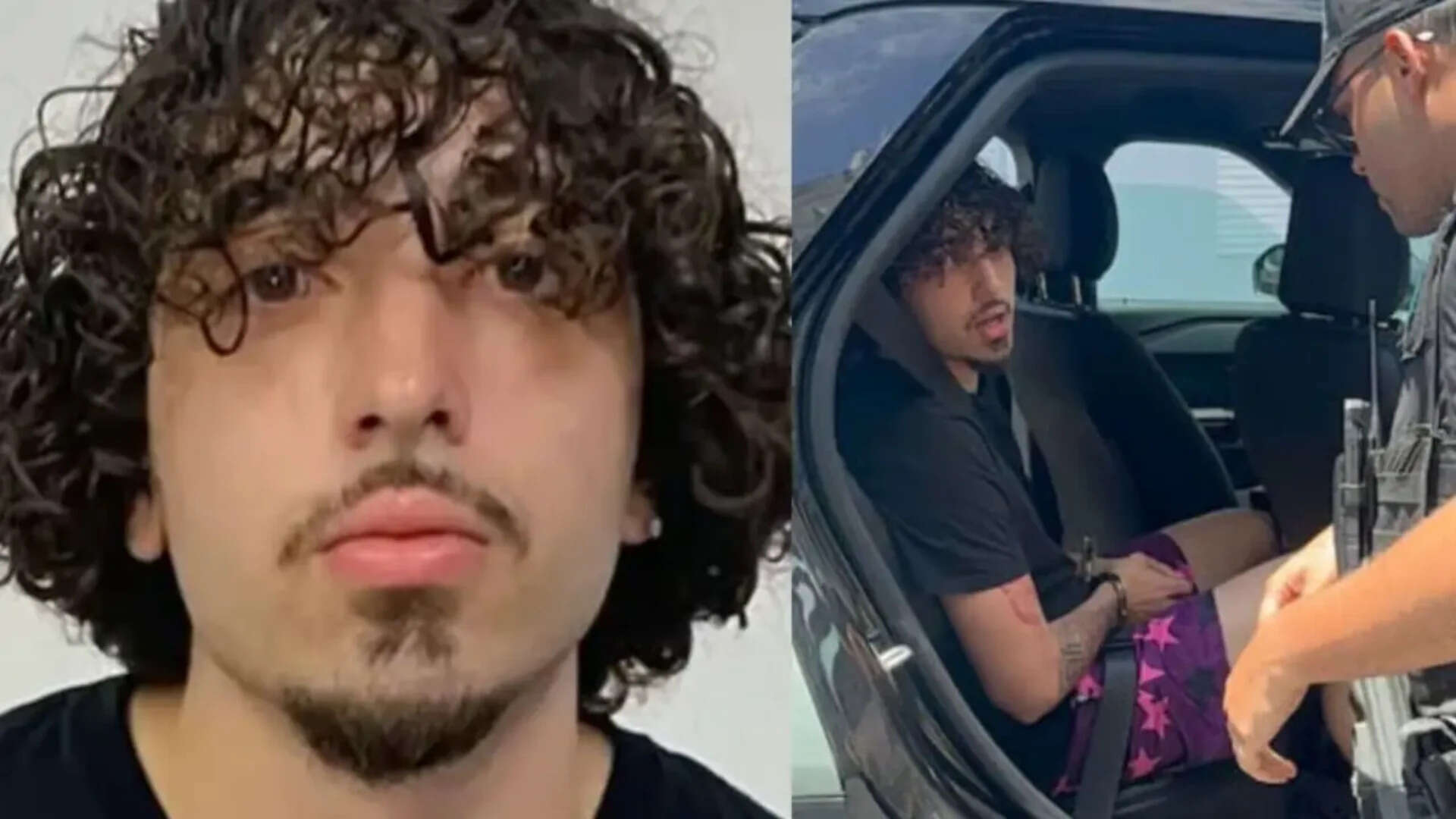
A man in Florida was recently arrested after he showed a fake video to a police officer. The video was created using artificial intelligence (AI) and appeared to show people breaking into a police car and stealing items. The man showed this video to an officer who was on duty, leading to a quick investigation. Police soon discovered that the video was a "deepfake," meaning it was completely computer-generated and not real. This incident has raised serious concerns about how fake technology can be used to trick law enforcement and waste public resources.
Main Impact
The main impact of this arrest is the clear message it sends about the misuse of AI technology. Law enforcement agencies are now on high alert for digital hoaxes that look real. When someone shows a fake video of a crime to a police officer, it forces the police to act as if a real emergency is happening. This takes officers away from actual crimes and puts the community at risk. This case shows that the legal system is starting to catch up with technology, and people who use AI to lie to the police will face real-world consequences like jail time.
Key Details
What Happened
The incident began when a 23-year-old man approached a police officer in a public area. He held up his phone and played a video that looked like a security recording. In the video, several people were seen smashing the windows of a marked police cruiser. The footage showed the suspects reaching inside the car and grabbing what looked like police gear. The man told the officer that he had just filmed the event or found the footage of a crime happening nearby.
The officer immediately reported the incident to his supervisors. Police units were sent to check on all patrol cars in the area to see which one had been attacked. However, after checking every vehicle, they found no damage. They soon realized the video was a deepfake. The man was then arrested for making a false report of a crime and using a computer device to harass or mislead an officer.
Important Numbers and Facts
The suspect is a 23-year-old resident of Florida. The video he showed was roughly 30 seconds long but was convincing enough to trigger an immediate police response. According to local reports, the police spent over an hour searching for a crime scene that did not exist. This wasted the time of at least four different officers who could have been responding to real calls. The man now faces multiple charges, including a felony for providing false information to law enforcement during an investigation.
Background and Context
To understand why this is a big deal, we have to look at what a "deepfake" is. A deepfake is a video or photo that has been changed or created by a computer to look like something else. In the past, making a fake video was hard and required expensive tools. Today, anyone with a smartphone can download an app that uses AI to create realistic videos. You can make it look like a person is saying something they never said, or you can create a scene of a crime that never happened.
This technology is becoming a major problem for the police. They rely on video evidence from witnesses to solve crimes. If people start handing over fake videos, it becomes very hard for the police to know what is true. This can lead to innocent people being blamed or police resources being sent to the wrong places. Florida has been working on new laws to address these digital crimes, and this arrest is one of the first major cases involving AI-generated evidence shown directly to an officer.
Public or Industry Reaction
The local police department released a statement warning the public that "pranks" involving AI are not funny and are against the law. They explained that every time an officer has to investigate a fake crime, the taxpayers have to pay for that wasted time. Many people in the community are shocked that someone would try to trick the police in this way. Some tech experts are also speaking out, saying that AI companies need to do more to prevent their tools from being used to create fake crime scenes.
On social media, the reaction has been mixed. Some people think the man was just trying to be funny and that the police are overreacting. However, most people agree that lying about a crime is dangerous. Legal experts say this case will likely be used as an example in future court trials to show how AI can be used as a weapon for deception.
What This Means Going Forward
Going forward, we can expect to see more rules about how AI content is shared. Lawmakers are looking at ways to make it a specific crime to create deepfakes that depict illegal acts. Police departments may also start using special software that can detect if a video has been made by AI. This will help them quickly figure out if a witness is telling the truth or showing them a computer-made lie.
For the average person, this story is a reminder to be careful about what you see online. Not every video is real, even if it looks perfect. For those who use AI tools, it is a warning that the law does not see "digital pranks" as harmless fun. If a fake video causes a real-world police response, the person who made it or shared it will likely go to jail.
Final Take
Technology is changing faster than our laws, but the basic rule of honesty remains the same. Using AI to create a fake crime and showing it to the police is a serious mistake that can ruin a person's life. As these tools become more common, the responsibility lies with the user to act fairly. This Florida case serves as a clear lesson: the police will not ignore digital lies, and the consequences of a deepfake can be very real.
Frequently Asked Questions
What is a deepfake video?
A deepfake is a video created or changed by artificial intelligence to make it look like something happened when it actually did not. It can look very realistic and is often used to trick people.
Why was the Florida man arrested?
He was arrested because he showed a fake AI video of a crime to a police officer. This is considered making a false report, which is a crime because it wastes police time and resources.
Can the police tell if a video is fake?
Yes, police can often tell by checking the facts of the scene or using special computer programs that look for signs of AI manipulation. In this case, they realized it was fake when they found no damaged cars.

