Summary
The FBI has officially confirmed that it purchases location data to track the movements of people in the United States. During a recent Senate hearing, FBI Director Kash Patel admitted that the agency buys this information from private companies. This practice allows federal investigators to gather details on where people go without needing a traditional search warrant. While the agency claims this is a legal way to gather intelligence, privacy advocates and some lawmakers are raising serious concerns about the rights of citizens.
Main Impact
The biggest impact of this admission is the discovery of a major legal loophole. Under current laws, if the FBI wants to get location records directly from a phone company like Verizon or AT&T, they must first get a warrant from a judge. However, by purchasing the same type of data from private brokers on the open market, the government can bypass the court system entirely. This means the privacy protections that most Americans expect are being avoided through simple business transactions.
Key Details
What Happened
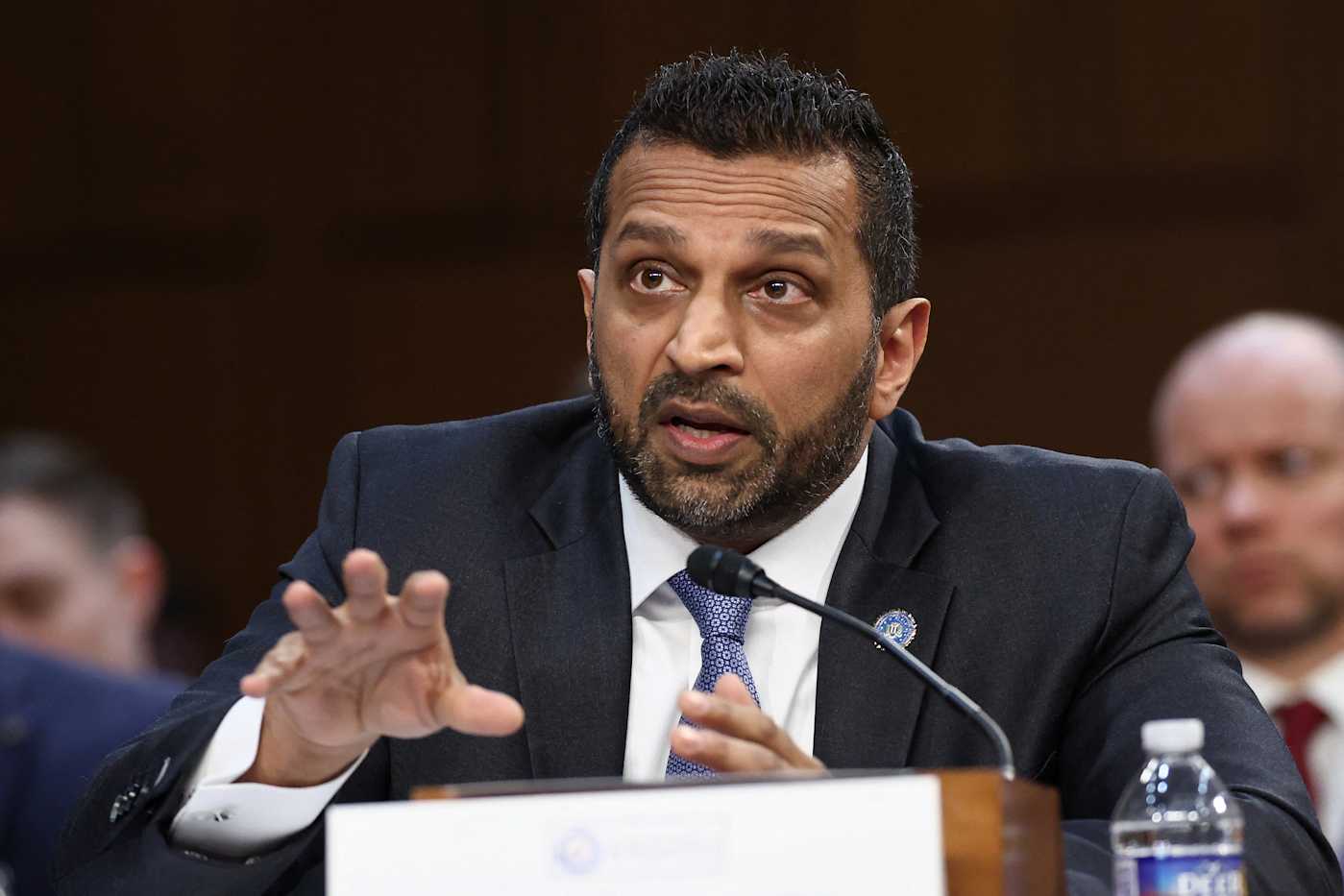
During a meeting with the Senate Intelligence Committee, Director Kash Patel was asked directly about the agency's data collection habits. He confirmed that the FBI uses its budget to buy "commercially available information." Patel defended the move by saying it helps the agency find valuable intelligence and stays within the rules of the Electronic Communications Privacy Act. He argued that because the data is available for anyone to buy, the FBI is not breaking the law by purchasing it.
Important Numbers and Facts
The legal debate centers on a 2018 Supreme Court ruling known as Carpenter v. United States. In that case, the court decided that the government needs a warrant to access a person's physical location through cell tower records. Despite this, the market for personal data has grown into a multi-billion dollar industry. Thousands of smartphone apps collect location points every minute and sell that information to brokers. These brokers then bundle the data and sell it to various buyers, including federal agencies like the FBI and the Department of Homeland Security.
Background and Context
This issue matters because almost every person with a smartphone is being tracked. Many apps, such as weather updates, games, and maps, ask for permission to see your location. Often, users agree to this without realizing that their data might be sold to a third party. Once a data broker has this information, it is no longer protected by the same strict privacy laws that govern phone companies. This has created a "gray market" where the government can act as a customer rather than a law enforcement agency.
The rise of artificial intelligence has made this situation even more urgent. In the past, it would take a lot of work for a human to look through millions of location points. Now, AI programs can scan massive amounts of data in seconds. This allows the government to find patterns, track groups of people, or identify individuals at specific events with very little effort.
Public or Industry Reaction
Senator Ron Wyden of Oregon has been one of the loudest voices against this practice. He called the FBI's actions an "outrageous" attempt to get around the Fourth Amendment, which protects Americans from unreasonable searches. Wyden and other lawmakers are now pushing for new laws that would stop the government from buying data that would otherwise require a warrant. They argue that if the government wants to track a citizen, they should have to prove to a judge that there is a good reason to do so.
Other government agencies are also facing heat. The Department of Homeland Security is currently being sued for allegedly tracking people who protested against immigration raids. Additionally, some tech companies are pushing back. For example, the AI company Anthropic was recently labeled a security risk by the Pentagon after it refused to let its technology be used for mass surveillance of Americans.
What This Means Going Forward
The confirmation from the FBI will likely lead to a push for new privacy legislation. Lawmakers are looking at ways to close the "data broker loophole" to ensure that the government cannot simply buy its way around the Constitution. If these laws do not pass, the use of purchased data will likely increase as AI tools become more powerful. For the average person, this means that "opting out" of tracking on individual apps is more important than ever, though it may not be enough to stop all forms of data collection.
Final Take
The line between legal intelligence gathering and the violation of personal privacy is becoming very thin. As long as the government can buy personal data on the open market, the traditional protections of the legal system are weakened. This situation highlights a growing need for updated laws that reflect how data is bought and sold in the modern world.
Frequently Asked Questions
Why doesn't the FBI need a warrant to buy my data?
Currently, the law views data sold by private brokers differently than data held by phone companies. Since the information is "commercially available" to any buyer, the FBI argues they do not need a warrant to purchase it like any other customer would.
What kind of apps sell my location information?
Many free apps sell data to make money. This includes weather apps, step trackers, certain games, and even some shopping apps. If an app asks for "always-on" location access, there is a chance that data is being shared with brokers.
Is Congress doing anything to stop this?
Yes, several senators and representatives are working on bills to require the government to get a warrant before purchasing data from brokers. However, these bills have not yet become law, and the practice continues for now.