
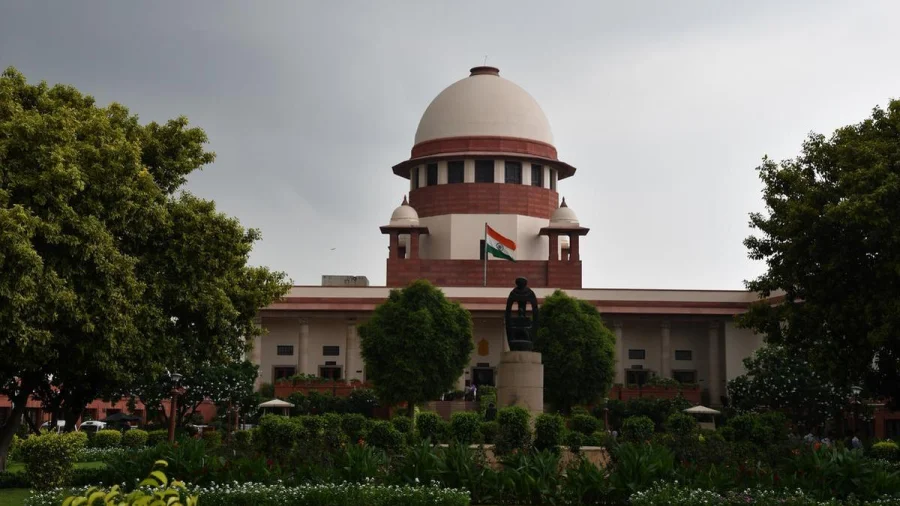
What the postponement means: hearing now fixed for August 17
The case was listed for hearing on August 13. Tamil Nadu had moved the Supreme Court seeking implementation of a July 30 decision by the Cauvery Water Management Authority (CWMA). That decision directed Karnataka to release 3,500 cusecs of water per day for 15 days from its Kabini and Krishna Raja Sagara (KRS) reservoirs.
With the judge's illness, the bench could not take up the matter as scheduled. The court has now posted the hearing to August 17, extending the period of uncertainty for both states.
Tamil Nadu's plea: enforce the July 30 CWMA order
At the centre of the case is a simple but politically charged question — must Karnataka comply with the CWMA's directive? The authority, constituted in 2018 following the Supreme Court's final judgment in the decades-old dispute, is tasked with deciding monthly water releases between the two states.
When its directives are not implemented, the aggrieved state can return to the Supreme Court. That is exactly what Tamil Nadu has done, arguing that the ordered 3,500 cusecs from Kabini and KRS should be released without further delay.
Why four days matter in the Cauvery basin
In the middle of the kharif season, a week's postponement is not a formality. For farmers in Tamil Nadu's delta region, the CWMA order represented a concrete promise of water for standing crops. Every day of delay raises questions about how much water will actually reach the fields.
The stakes are felt differently in Karnataka. The reservoirs named in the order — Kabini and Krishna Raja Sagara — are the same storages that Karnataka must manage through the rest of the season. Officials have historically defended their reservoir levels against what they see as excessive releases, making every cusec a point of contestation.
Background: a dispute older than independent India
The Cauvery water sharing conflict between Karnataka and Tamil Nadu is among India's oldest and most complex interstate river disputes. A tribunal award, multiple Supreme Court rulings, and eventually the CWMA framework were meant to settle the allocation.
The July 30 CWMA decision was the latest in a series of monthly release orders. The current hearing is about enforcement — what happens when one state believes the other is not following the authority's direction.
The human cost of a deferred hearing
Behind the legal dates are real decisions made on real farms. A farmer in the Cauvery delta must decide whether to continue irrigating a standing crop or conserve resources. In southern Karnataka, a farmer watches reservoir levels with the same anxiety. Water disputes are never just legal — they are about livelihoods, and the postponement extends that uncertainty.
What is confirmed, what remains unclear
Confirmed: The hearing was expected on August 13. It has been posted to August 17. The stated reason is the illness of a judge on the bench. The plea concerns the CWMA's July 30 decision on a 3,500 cusecs release for 15 days from Kabini and KRS.
Unclear: Which judge is unwell, whether the same bench will reassemble on August 17, and whether any interim arrangement for water release is being considered before then. These details were not specified in the available information.
Risks in the delay: tension can rise when water does not flow
Past Cauvery disputes have, at various points, triggered protests and heightened rhetoric on both sides of the border. The longer the enforcement question stays open, the greater the risk of friction between farmers' groups and local political mobilisation. A legal delay, in this context, is never just a legal delay.
At the same time, there is a



