The Tasalli
Select Language
search
BREAKING NEWS
Business Aug 19, 2026 · min read

Bond Market Truth Steve Hanke Warns of Deadly Cocktail

**By Markets Desk | Markets Correspondent** Most markets have spent the year climbing. The bond market has been moving the other way — and Johns Hopkins econom...
Admin

The Tasalli

Bond Market Truth Steve Hanke Warns of Deadly Cocktail
728 x 90 Header Slot

TL;DR — Quick Summary

- Johns Hopkins economist Steve Hanke says President Trump's policy mix is "a deadly cocktail" for US Treasuries. - He warns "the bond vigilantes have come out of hibernation," with a selloff pushing yields past Treasury Secretary Scott Bessent's informal red line. - Hanke argues the bond market is the only major asset class pricing risk correctly — and what it sees is unsettling.

Key Facts
**Main Update
** Economist Steve Hanke told Fortune that Trump's policies amount to "a deadly cocktail" for Treasuries, triggering a bond market selloff.
**Impact
** Treasury yields have crossed the informal threshold Secretary Scott Bessent has been trying to defend.
**Official Response
** Hanke said "the bond vigilantes have come out of hibernation" — investors selling government debt en masse to punish perceived fiscal recklessness.
**Current Status
** Hanke maintains the bond market is the only major asset class correctly pricing risk right now.
**What Next
** Pressure on Washington to address debt concerns could build if the selloff continues, though the exact policy ingredients and yield levels remain unclear.
**By Markets Desk | Markets Correspondent** Most markets have spent the year climbing. The bond market has been moving the other way — and Johns Hopkins economist Steve Hanke says it is the one market telling the truth. Its message for Washington, he warns, is blunt and uncomfortable.

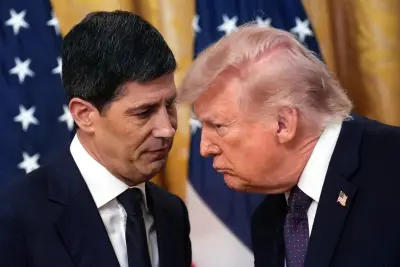
Hanke's blunt diagnosis: a 'deadly cocktail' for US Treasuries

Hanke laid out his case in an interview with Fortune, describing President Trump's policy mix as "a deadly cocktail" for US Treasuries. The result, he said, is a bond selloff that has already pushed yields past the informal threshold Treasury Secretary Scott Bessent has been trying to defend. "It's a deadly cocktail," Hanke said. The remark matters because Hanke is not a casual commentator — he is a prominent economist with a long track record of calling out policy inconsistencies.

Why this selloff matters beyond Wall Street

Here is what makes this moment different. Hanke argues the bond market is the only major asset class currently pricing risk correctly. Stocks, in his view, are not. When the market that is supposed to be the most rational starts selling, it is usually a sign that the easy part of the cycle is over. The gap between bond market anxiety and equity market optimism cannot last forever. Eventually, one of them has to be wrong.

Who are the bond vigilantes returning to the market?

"The bond vigilantes have come out of hibernation," Hanke said, reviving a phrase that has haunted Washington for decades. The term refers to investors who sell government debt in large volumes to discipline what they see as reckless fiscal or monetary policy — forcing governments to pay more to borrow. The concept dates back to the 1980s, when market players first realized they could effectively veto government policy by dumping bonds. Their weapon is simple: the more they sell, the higher yields go, and the more expensive it becomes for the state to fund itself.

The informal red line Bessent tried to defend

Treasury Secretary Scott Bessent has been working to hold yields below an informal line in the sand. That threshold was never a formal policy target — it was a signal of confidence that markets could trust the administration's fiscal direction. Now that yields have crossed it, the message to the White House is unmistakable: market discipline has returned, and the bond market is no longer willing to wait for reassurance.

Bond market pain reaches into your wallet

The selloff is not confined to trading screens. Treasury yields are the foundation of borrowing costs across the economy. When they rise, mortgage rates move up, auto loans get costlier, credit card interest climbs, and businesses pay more to fund expansion. For American households already wrestling with the cost

Written by

Admin