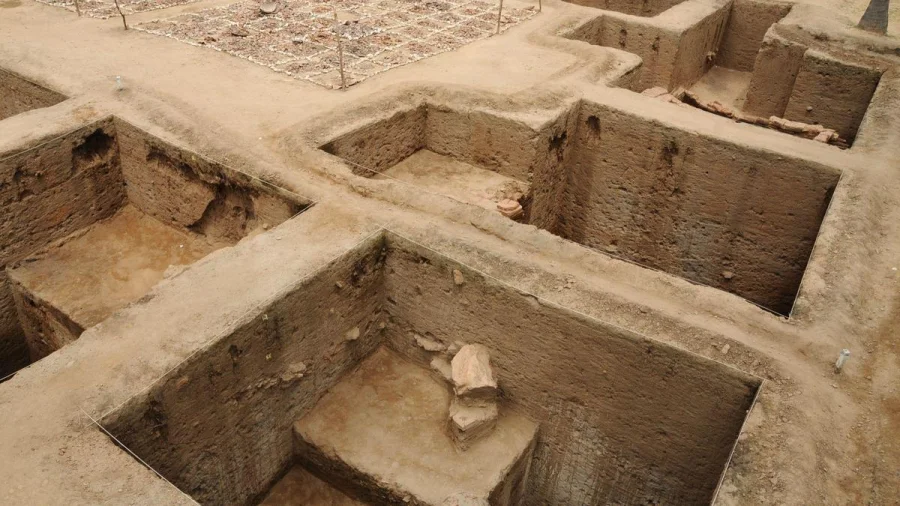
Tamil Nadu is betting bigger on its buried history. The state has raised its annual allocation for archaeological excavations to ₹10 crore — a clear signal that the search for answers beneath the soil is no longer a marginal exercise.
The ₹2 crore lab at the centre of the plan
The increased allocation comes with a specific commitment. A modern archaeological laboratory will be established at a cost of ₹2 crore to conduct scientific analyses of artefacts and samples unearthed during excavations.
The facility is intended to be a dedicated support system for field work — turning every recovered shard, seed and sample into a subject of rigorous investigation.
Why scientific analysis of artefacts matters
Without laboratory support, excavated objects leave investigators with limited answers. Scientific analysis can help determine the age of materials, their composition and even their geographical origin.
That transforms a discovered object into evidence — a datable clue rather than a museum curiosity. For Tamil Nadu, where excavation findings often feed into wider historical debates, this kind of backing carries real weight.
What a bigger excavation budget could change on the ground
More funds typically allow for more sites, longer field seasons and deeper documentation. But the dedicated laboratory suggests the state wants findings examined properly after they are pulled from the ground — not just stored.
In practical terms, this can mean faster results and better-integrated reports for each excavation cycle.
What remains unclear right now
The announcement, as reported, does not specify the previous allocation, the exact location of the new laboratory, or which recent findings prompted the push. Those details are expected to emerge as the project moves forward.
What students and heritage enthusiasts should watch for
For students of archaeology, history and material science, this is a meaningful signal. Laboratory-based analysis creates scope for research collaboration and hands-on learning.
Heritage enthusiasts should follow official announcements for where the lab will come up, how its findings will be released, and which excavation sites will benefit first.
Future outlook
If the laboratory becomes operational as planned, future excavation reports from Tamil Nadu may carry stronger scientific backing. The ₹10 crore allocation also raises expectations for a more systematic excavation calendar in the coming years.
Our Take
The increase is modest in absolute money but significant in intent. Archaeological work in India has often suffered from thin budgets and slow scientific follow-up.
By pairing a higher excavation allocation with a dedicated laboratory, Tamil Nadu is treating its past as a serious research subject — and that changes what the next dig can reveal.
Frequently Asked Questions
What is the new annual allocation for archaeological excavations in Tamil Nadu?
The annual allocation has been increased to ₹10 crore, according to the headline report.
What will the ₹2 crore laboratory do?
A modern archaeological laboratory will be established to conduct scientific analyses of artefacts and samples unearthed during archaeological excavations.
Why do archaeological artefacts need scientific analysis?
Scientific analysis helps determine the age, composition and origin of artefacts and samples, providing evidence-based answers about past civilisations rather than relying on visual inspection alone.
Where will the new archaeological laboratory be set up in Tamil Nadu?
The exact location has not been specified in the available announcement. More details are expected when the project is officially rolled out.