
Summary
Isha Khan Choudhury, the only Congress Member of Parliament from West Bengal, has spoken out about the political climate in the state. He argues that the 2021 election loss for his party was caused by a climate of fear and religious division. According to Choudhury, both the Trinamool Congress (TMC) and the Bharatiya Janata Party (BJP) use these tactics to distract voters from real problems. He believes that issues like job shortages and environmental damage are being ignored while parties fight over voter lists and citizenship fears.
Main Impact
The primary impact of this political strategy is the neglect of basic human needs. Choudhury points out that while the two largest parties argue over religious identity, the people of Bengal are struggling to find work. This has led to a massive migration of workers leaving the state to find jobs elsewhere. Furthermore, the focus on "identity politics" has allowed serious local issues, such as the erosion of the Ganga river banks, to go unaddressed. This shift in focus away from the economy and toward social division has changed how elections are fought in the region.
Key Details
What Happened
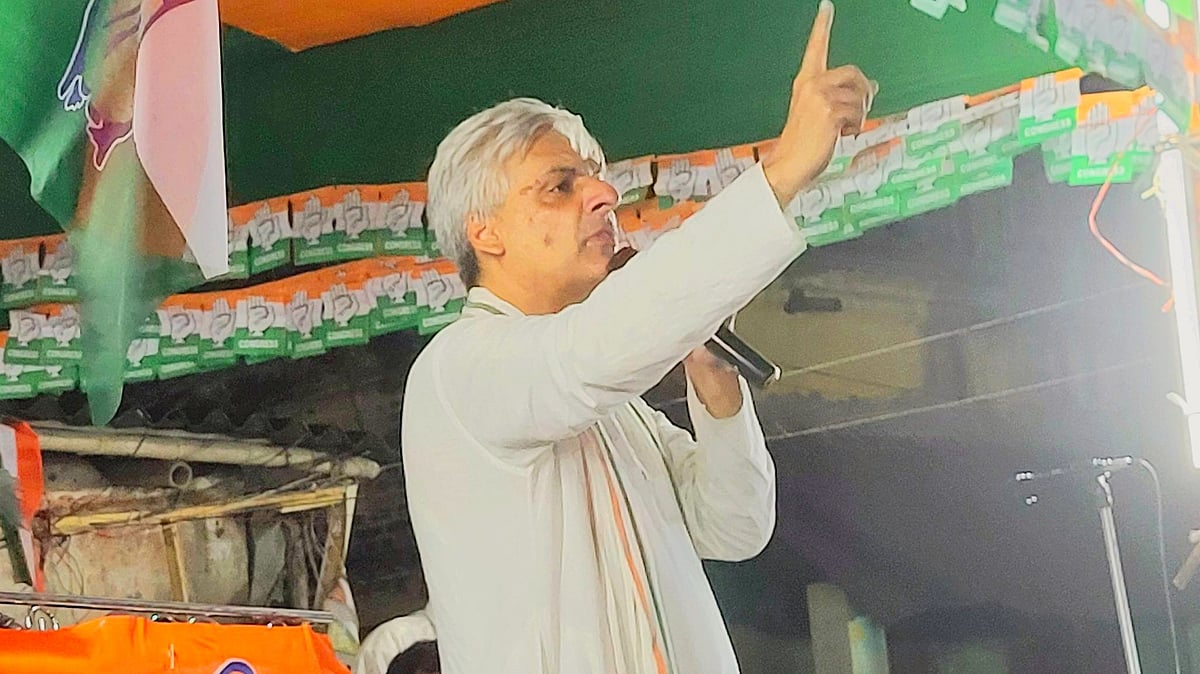
During a recent campaign event in Bidhannagar, Choudhury explained that the 2021 elections were dominated by the fear of the National Register of Citizens (NRC). He claimed the BJP used the NRC to scare minority groups, while the TMC told voters that only they could provide protection. He sees a similar pattern happening now with the "Special Intensive Revision" (SIR) of voter rolls. This process has led to many people being removed from the voting lists, which has once again created a sense of panic among the public.
Important Numbers and Facts
- 28 Lakh Names: Approximately 2.8 million names were removed from the electoral rolls during the recent revision process.
- 20 Years: This is the first time in two decades that the Congress party is contesting the elections independently in West Bengal.
- AI Misuse: Choudhury blamed the incorrect use of Artificial Intelligence for the mass deletion of genuine voters from the lists.
- Migration: Large numbers of Bengali youth are moving to other states because they cannot find local employment.
Background and Context
To understand this situation, one must look at the history of the NRC and voter list updates in India. The NRC is a record of legal citizens, and the fear of being left off this list is very high in border states like West Bengal. When people fear they might lose their citizenship, they often vote based on safety rather than economic policy.
The "Special Intensive Revision" (SIR) was meant to clean up the voter lists by removing duplicates or people who have passed away. However, the process faced heavy criticism. The Supreme Court even questioned the Election Commission about how the revision was handled. In West Bengal, this technical process became a political weapon, with the BJP and TMC blaming each other for the errors.
Public or Industry Reaction
The reaction to these events has been a mix of anger and confusion. Many citizens who found their names missing from the voter lists felt cheated of their right to vote. Within the political sphere, the Congress party is trying to position itself as a "secular alternative" that focuses on unity.
Choudhury also mentioned that the TMC has been aggressive toward Congress workers. He claimed that thousands of party members have been arrested and that local government bodies, like gram panchayats, were taken over through legal pressure and force. This has created a difficult environment for smaller parties to operate.
What This Means Going Forward
Moving forward, the Congress party is in what Choudhury calls a "recovery stage." By running alone, they hope to rebuild their own brand and show voters that there is a choice beyond the TMC and BJP. The goal is to bring the conversation back to "roti, kapda, makaan"—the basic needs of food, clothing, and shelter.
The success of this strategy will depend on whether voters can look past the current atmosphere of fear. If the public remains worried about citizenship and religious identity, the two larger parties will likely continue to dominate. However, if the focus shifts to unemployment and the economy, Congress believes it can gain significant ground by the 2026 elections.
Final Take
The political battle in West Bengal is no longer just about who has the best policies for growth. It has become a fight over identity and survival. While the major parties use fear to win votes, the real issues of the people—like jobs and environmental safety—are being left behind. The upcoming elections will show if the voters are ready to move past these divisions and demand focus on the problems that affect their daily lives.
Frequently Asked Questions
Why did 28 lakh people lose their right to vote?
During a voter list update called the Special Intensive Revision (SIR), millions of names were deleted. Critics say this happened because of a flawed process involving AI and a lack of cooperation between the state and central governments.
What are the "real issues" mentioned by Isha Khan Choudhury?
Choudhury points to high unemployment, the need for people to leave the state for work, and the physical erosion of land near the Ganga river as the most important problems facing Bengal.
Why is Congress running alone in this election?
The party wants to establish its own identity and show that it is a "true secular" alternative. After 20 years of various alliances, they believe it is time to rebuild their own strength in the state.

