
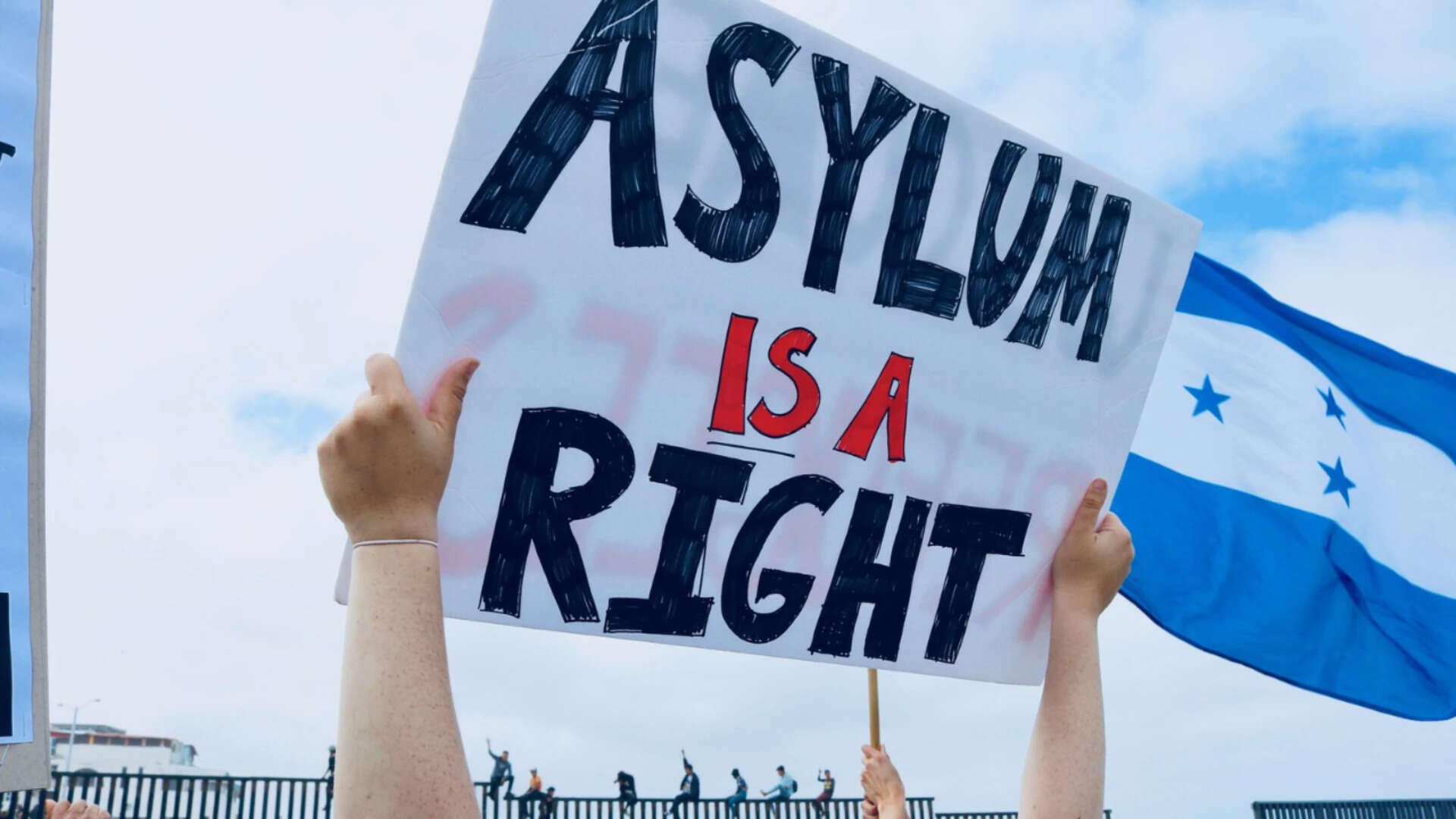
Summary
A large group of states is calling on the federal government to cancel a rule that prevents asylum seekers from working. This coalition has asked the Department of Homeland Security (DHS) to remove a policy first put in place during the Trump administration. The states argue that this rule is causing massive financial damage to the country. They estimate that keeping these individuals out of the workforce will result in a $126.6 billion loss to the economy. By allowing asylum seekers to work sooner, the states believe they can fill job openings and reduce the amount of money spent on public assistance.
Main Impact
The primary impact of this rule is a major drain on both state and national budgets. When people seeking asylum are legally blocked from working, they cannot earn money to pay for their own food, clothing, or housing. This forces state and local governments to step in and provide these basic needs using taxpayer money. Furthermore, businesses across the country are currently struggling to find enough staff. By keeping thousands of able-bodied people on the sidelines, the rule prevents businesses from growing and limits the amount of tax money collected by the government.
Key Details
What Happened
A coalition of state leaders sent a formal request to the Department of Homeland Security. They are asking the agency to scrap a specific rule that makes it very hard for asylum seekers to get work permits. Under the current system, many people must wait a long time before they can even apply for the right to work. The states argue that this waiting period is unnecessary and harmful. They want the federal government to return to a system that allows people to start working much faster after they arrive and file their asylum claims.
Important Numbers and Facts
The most striking figure in this report is the $126.6 billion estimated loss to the economy. This number represents the total amount of economic activity that is lost because these individuals are not allowed to participate in the labor market. Additionally, the current rules often require a 365-day waiting period for certain applicants before they can get a work permit. This means a person could be in the country for an entire year without any legal way to support themselves. The coalition of states includes many areas that have seen a high number of new arrivals and are feeling the most pressure on their local budgets.
Background and Context
Asylum is a legal protection given to people who are fleeing their home countries because of war, violence, or unfair treatment. When a person arrives in the United States and asks for asylum, they enter a long legal process. It often takes several years for a judge to make a final decision on an asylum case. In the past, the rules allowed these individuals to apply for work permits relatively quickly so they could take care of themselves while waiting for their court dates.
However, several years ago, the rules were changed to make the process much slower. The goal of the change was to discourage people from coming to the country. Critics of the change say it did not stop people from coming, but instead created a crisis where thousands of people are stuck in shelters because they are not allowed to get a job. This has put a heavy burden on cities like New York, Chicago, and Boston, where the cost of housing and feeding migrants has reached billions of dollars.
Public or Industry Reaction
Business owners have been some of the strongest voices supporting the states' request. Many industries, such as construction, hospitality, and farming, are facing a shortage of workers. These employers say they have jobs available right now but cannot find enough people to fill them. They argue that asylum seekers are often eager to work and could help solve the labor shortage if the government would simply give them the paperwork.
On the other hand, some people worry that making it easier to work will encourage even more people to cross the border. They believe the strict rules are necessary to maintain control over immigration. However, the coalition of states argues that the economic cost of the current policy is simply too high to ignore. They believe that the benefit of having more workers and fewer people relying on government aid outweighs the concerns about immigration numbers.
What This Means Going Forward
If the Department of Homeland Security decides to follow the states' advice, we could see a major shift in how migrants are handled. A change in the rule would likely lead to a faster process for issuing work permits. This would allow thousands of people to move out of government-funded shelters and into their own apartments. It would also provide a boost to the economy as these new workers start spending money and paying income taxes.
However, changing federal rules is often a slow process. There may be legal challenges from groups that support stricter immigration controls. For now, the states are waiting for a response from the federal government. The outcome will determine whether local taxpayers continue to foot the bill for migrant care or if those individuals will be allowed to support themselves through legal employment.
Final Take
The debate over asylum work rules shows the tension between immigration policy and economic needs. While the federal government has used work restrictions as a tool to manage the border, the financial reality for states has become difficult to manage. A $126.6 billion loss is a heavy price to pay for a policy that many leaders say is not working. Moving toward a system that prioritizes work and self-sufficiency could help both the newcomers and the communities that are currently struggling to support them.
Frequently Asked Questions
Why can't asylum seekers work as soon as they arrive?
Current federal rules require asylum seekers to wait a specific amount of time, sometimes up to a year, before they can apply for a work permit. This is intended to ensure their claims are being processed, but it often leaves them without a way to earn money.
How did the states calculate the $126.6 billion loss?
This figure comes from estimating the total wages these workers would earn, the goods and services they would buy, and the taxes they would pay if they were allowed to enter the workforce immediately instead of waiting for permits.
Which states are part of this coalition?
The coalition is made up of several states, mostly those with large cities that have seen a high number of migrants. These states are facing high costs for emergency housing and are looking for ways to reduce those expenses by helping migrants become self-sufficient.

