
Summary
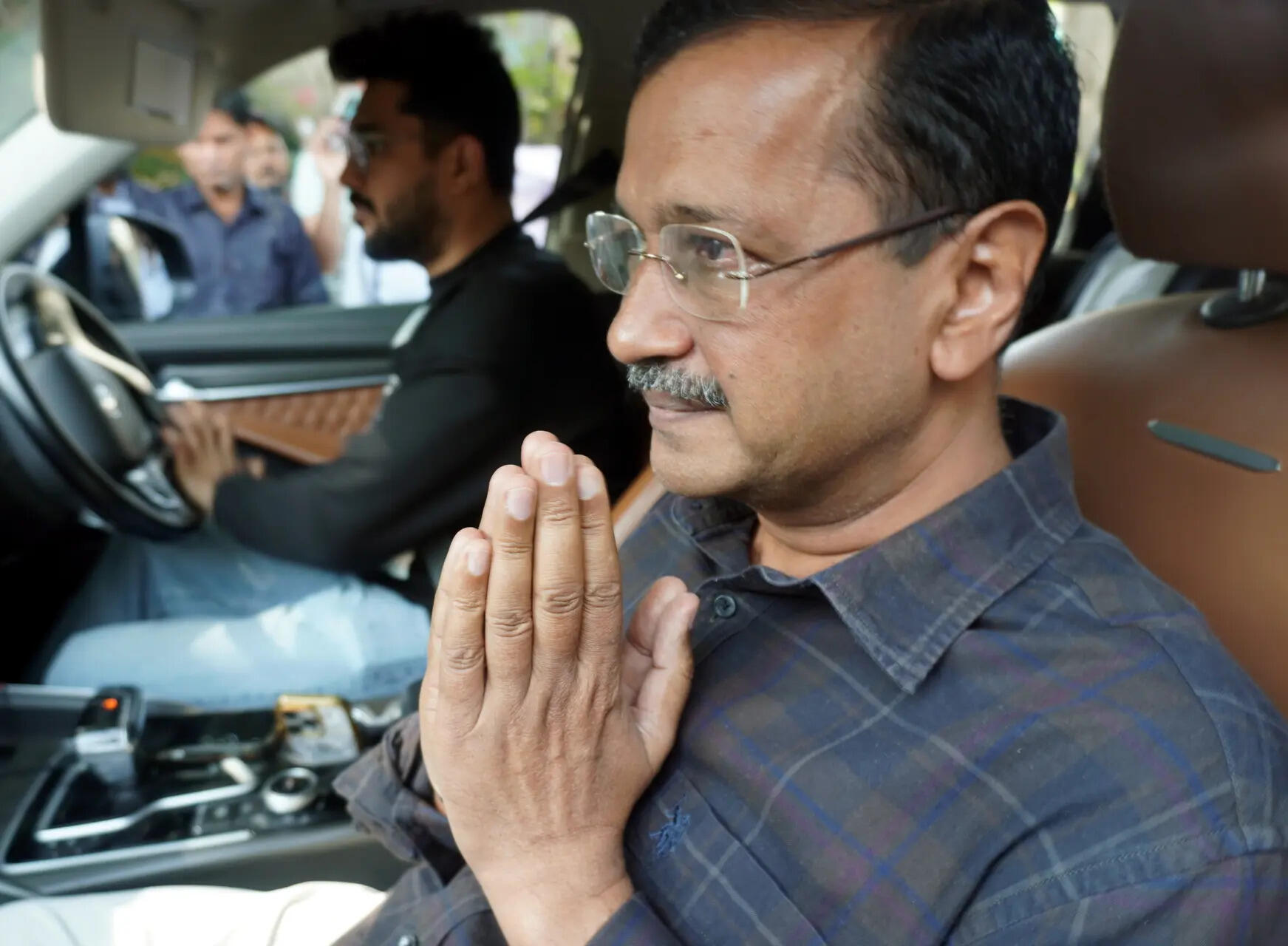
Arvind Kejriwal, the leader of the Aam Aadmi Party (AAP), recently made several attempts to stop his party members from leaving. Despite his efforts to keep the group together, many key figures have already moved to other political parties. Experts suggest that these actions were taken too late to fix the deep issues within the organization. This wave of departures has created a difficult situation for AAP as it tries to maintain its influence in Indian politics.
Main Impact
The primary impact of these defections is the weakening of the party’s internal strength and public image. When high-ranking members leave, it signals a lack of confidence in the leadership. This makes it harder for the party to organize campaigns and keep its supporters motivated. For a party that started as a small movement against corruption, seeing its leaders walk away is a major setback that could affect its performance in future elections.
Key Details
What Happened
The trouble began to grow while Arvind Kejriwal was facing serious legal challenges. During his time in custody, communication between the top leadership and local representatives became difficult. Many party members felt that they were not getting the guidance or support they needed. This gap allowed other political groups to reach out to unhappy AAP members. By the time Kejriwal tried to reach out and fix these relationships, several leaders had already decided to quit.
Important Numbers and Facts
Several high-profile names have left the party over the last few months. One of the most notable exits was Raaj Kumar Anand, a minister in the Delhi government, who resigned citing issues with the party's direction. The timing of these exits is critical, as they happened just as the party was preparing for major political battles. Reports show that the party has lost not just individual leaders, but also the local networks and workers that those leaders managed.
Background and Context
To understand why this is happening, it is important to look at the history of the Aam Aadmi Party. AAP was formed about a decade ago with the goal of changing how politics works in India. It saw massive success in Delhi and later in Punjab. However, the party has recently been under intense pressure. Several of its top leaders, including Manish Sisodia and Sanjay Singh, were arrested in connection with a case involving the city's liquor policy. These legal battles have drained the party's energy and resources, making it harder for Kejriwal to focus on keeping his team united.
Public or Industry Reaction
The reaction to these events has been split. Opponents of AAP, such as the Bharatiya Janata Party (BJP), claim that the exits show the party is failing and losing its original values. They argue that the leaders are leaving because they no longer believe in Kejriwal’s vision. On the other hand, AAP supporters and remaining leaders claim that those who left were being pressured by central government agencies. They suggest that the defections are not a sign of internal failure but a result of outside political force. Meanwhile, political analysts point out that the party’s "high command" style of working may have made local leaders feel ignored.
What This Means Going Forward
Moving forward, the Aam Aadmi Party faces a steep climb. The loss of experienced leaders means the party must quickly find and train new people to take their place. There is also the risk that more members might leave if they feel the party cannot protect them or offer a stable future. Kejriwal will need to change his strategy to be more inclusive and communicative with his team. If the party cannot stop the flow of members leaving, it may find itself struggling to hold onto its power in its main strongholds.
Final Take
The current crisis shows that even the most motivated political movements can struggle when their leaders are under legal and political pressure. Kejriwal’s attempt to save his party was a necessary step, but the delay in taking action has already caused significant damage. The coming months will show whether AAP can rebuild its foundation or if these departures mark the beginning of a long decline for the party.
Frequently Asked Questions
Why are leaders leaving the Aam Aadmi Party?
Many leaders are leaving due to a mix of internal disagreements, lack of communication from the top leadership, and the pressure caused by ongoing legal cases against the party's main figures.
Who is the most famous person to leave recently?
Raaj Kumar Anand, who served as a minister in the Delhi government, is one of the most prominent figures to resign and distance himself from the party.
How is Arvind Kejriwal trying to stop more people from quitting?
Kejriwal has been trying to hold more meetings and send messages of unity to his party members, though critics say these efforts should have started much earlier to be effective.



