Summary
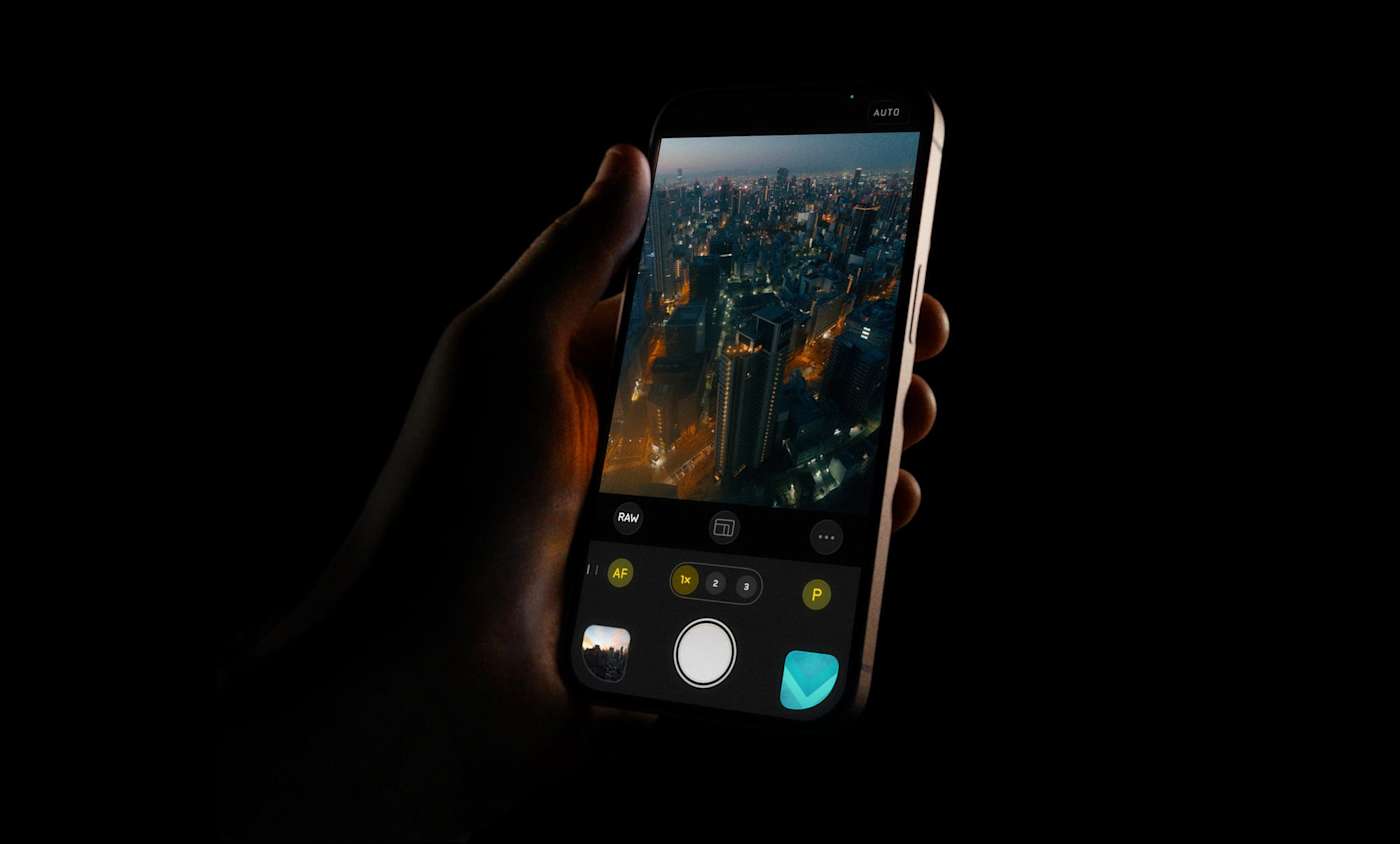
Apple recently explored the possibility of buying Lux Optics, the company responsible for the highly acclaimed Halide camera app. These private discussions took place during the summer of 2025 as Apple looked for ways to improve the photography features on the iPhone. Although the deal did not go through, the details of the talks became public due to a legal dispute between the app's creators. This move highlights Apple's ongoing effort to provide professional-grade tools to everyday smartphone users.
Main Impact
The attempt to acquire Lux Optics shows that Apple is no longer satisfied with its camera app being simple and automated. By targeting the makers of Halide, Apple signaled a desire to integrate advanced manual controls and high-end processing directly into the iOS operating system. If the deal had succeeded, it could have changed the standard for mobile photography, making third-party professional apps less necessary for many users. This interest suggests that future iPhones will likely focus heavily on giving users more creative control over their images.
Key Details
What Happened
In mid-2025, Apple entered serious negotiations with Lux Optics. The startup is well-known in the tech community for creating a suite of specialized photography and video apps, including Halide, Kino, Spectre, and Orion. These apps are famous for offering features that the standard iPhone camera lacks, such as detailed manual focus, shutter speed adjustments, and specialized RAW photo formats. However, by September 2025, the talks ended without a sale. The founders of Lux Optics reportedly believed that their company would be worth even more money if they continued to update their apps independently rather than selling early.
Important Numbers and Facts
The timeline of these events is critical to understanding the current state of iPhone development. The talks occurred just as rumors began to circulate about the iPhone 18 Pro. That upcoming device is expected to feature a variable aperture, which is a piece of hardware that allows the camera lens to open and close to different sizes. To make the most of such hardware, Apple needs sophisticated software. While the acquisition failed, one of the co-founders of Lux Optics, Sebastiaan de With, eventually joined Apple’s design team after leaving his own company. This suggests that his expertise may still influence future Apple products.
Background and Context
For years, the iPhone has been praised for its "point and shoot" simplicity. Most users want the phone to do the hard work of balancing light and color automatically. However, a growing group of enthusiasts and professional photographers find the standard app too limiting. They often turn to Halide because it treats the iPhone like a professional DSLR camera. Halide allows users to take photos without the heavy artificial intelligence processing that can sometimes make images look fake or over-sharpened. Apple’s interest in buying the company shows they recognize this demand for a more natural and manual photography experience.
Public or Industry Reaction
The news of the failed deal has caused a stir in the tech industry, mostly because of the drama following the talks. Shortly after the deal with Apple fell apart, a legal battle began between the two founders, Ben Sandofsky and Sebastiaan de With. Sandofsky accused de With of mishandling company money, which led to de With being removed from the company. Many industry experts find it ironic that while the company stayed independent to increase its value, the internal fighting may have caused more damage than a sale would have. Meanwhile, fans of the Halide app are relieved that the software remains independent, as they fear Apple might have simplified the app's best features.
What This Means Going Forward
Even though Apple did not buy Lux Optics, the company's goals remain the same. Apple is clearly working to bridge the gap between amateur and professional photography. With one of the Halide creators now working inside Apple, users can expect the native camera app to receive significant updates in the coming years. These updates will likely include better ways to handle professional photo files and more tools for those who want to set their own exposure and focus. The focus is shifting from making the camera "smarter" to making it more "capable" for those who know how to use it.
Final Take
Apple’s interest in Halide proves that the company knows it must keep improving its software to match its powerful new hardware. While the acquisition did not happen, the influence of professional-grade apps is clearly making its way into the standard iPhone experience. The future of iPhone photography will likely offer the best of both worlds: simple automation for most people and deep, manual tools for those who want them.
Frequently Asked Questions
What is Halide?
Halide is a popular third-party camera app for the iPhone that provides professional tools like manual focus, shutter speed control, and advanced photo formats that the standard Apple camera app does not offer.
Why did Apple want to buy Lux Optics?
Apple wanted to use the advanced software and expertise of the Lux Optics team to improve the built-in iPhone camera app, especially as they prepare to launch more advanced camera hardware in future models.
Will the Halide app disappear?
No, the deal with Apple did not go through. Halide remains an independent app available on the App Store, though one of its original creators now works for Apple’s design team.