
Summary
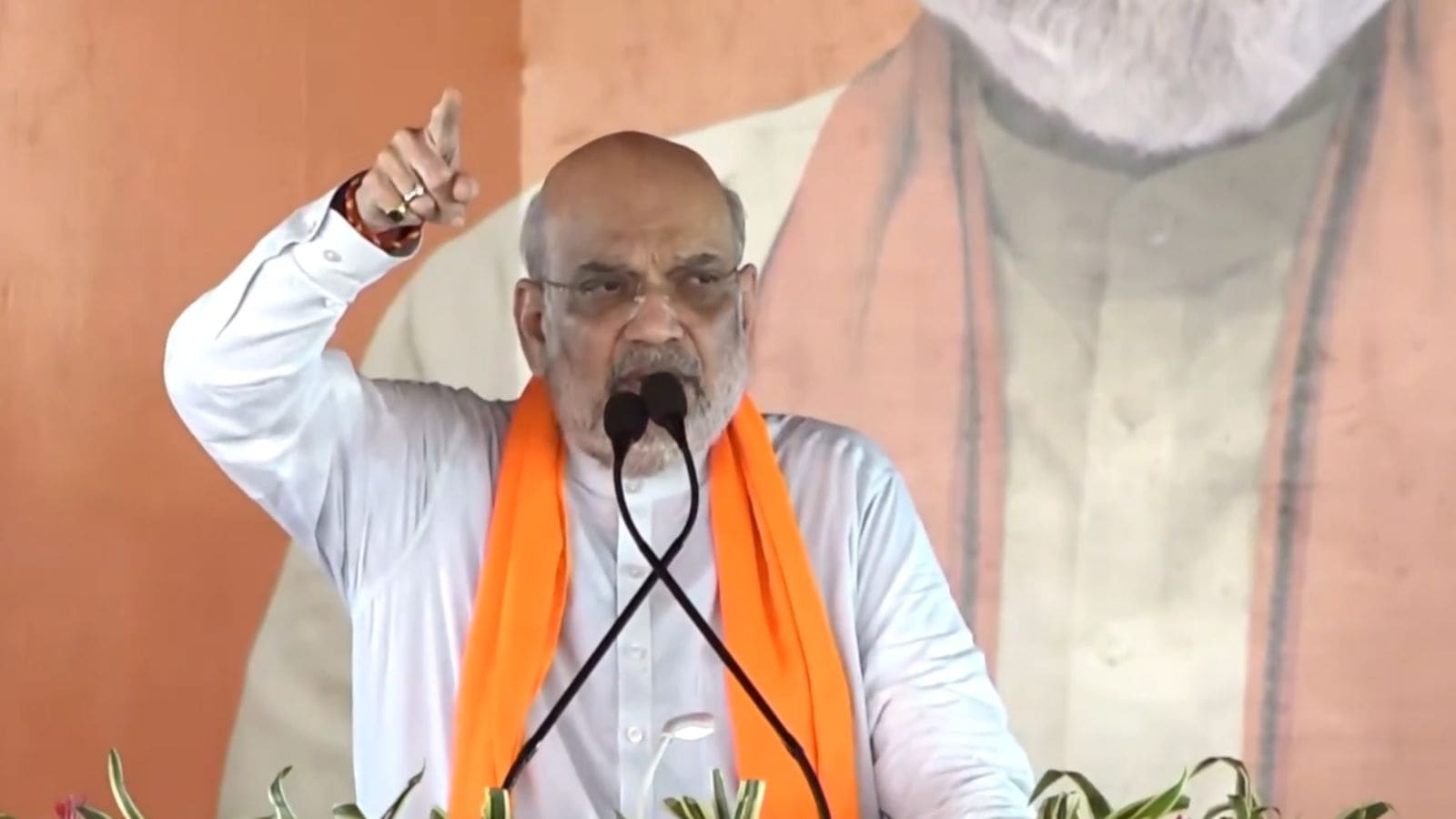
Union Home Minister Amit Shah recently visited Birbhum in West Bengal to lead a major political rally. During his speech, he urged voters to use the power of their vote to end the cycle of political violence in the state. He promised that if his party wins, they will bring significant changes, including new pay scales for government workers and a common set of laws for all citizens. This visit is part of a larger effort to gain more support in a region that has seen intense political competition.
Main Impact
The main impact of this speech is the direct challenge to the current state government regarding law and order. By using the phrase "answer bombs with ballots," the Home Minister is making safety a central theme of the upcoming elections. This approach aims to connect with voters who are tired of local clashes and illegal activities. Additionally, the promise of financial benefits for state employees could shift the loyalty of a large group of voters who have been asking for better pay for several years.
Key Details
What Happened
Amit Shah spoke to a large crowd in Birbhum, a district that has often been in the news for political tension. He criticized the Trinamool Congress (TMC) for what he called a "culture of violence." He told the audience that the only way to stop the production of illegal crude bombs in the state is to change the leadership through the voting process. He argued that the current government has failed to keep the peace and has allowed corruption to grow at various levels of administration.
Important Numbers and Facts
The Home Minister made two very specific promises during his address. First, he stated that the BJP would implement the 7th Pay Commission for West Bengal state employees. Currently, these workers feel they are paid much less than central government employees. Second, he promised to introduce the Uniform Civil Code (UCC) in the state. He also set a target for his party to win more than 35 seats from West Bengal in the national elections, believing that this would lead to the eventual collapse of the current state government.
Background and Context
West Bengal has a long history of political friction between different parties. In recent years, there have been many reports of violence during and after elections. Birbhum, in particular, has been a focal point for these issues. Many people in the state are also concerned about their finances. State government employees have been protesting for a long time, demanding that their "Dearness Allowance" be increased to match the rates set by the central government. By promising the 7th Pay Commission, the BJP is addressing a very specific and long-standing local grievance.
The Uniform Civil Code is another major topic. It is a plan to have one single law for all citizens regarding personal matters like marriage, divorce, and inheriting property, regardless of their religion. While this is a national goal for the BJP, mentioning it in Bengal is a way to signal a move away from what they call "appeasement politics," where they claim the current government favors certain groups over others.
Public or Industry Reaction
The reaction to the speech has been split. Supporters of the BJP felt encouraged by the promise of better pay and a safer environment. They believe that a change in government is necessary to fix the state's economy. On the other hand, the Trinamool Congress has dismissed these claims. TMC leaders often say that the central government is trying to interfere in state matters and is withholding money that belongs to the people of Bengal. They argue that the promises made by the Home Minister are just "election talk" and will not be fulfilled.
What This Means Going Forward
Looking ahead, the focus will be on whether these promises can actually turn into votes. The promise of the 7th Pay Commission is a powerful tool because it affects the daily lives of thousands of families. If the BJP can convince these workers that their bank accounts will grow under new leadership, it could change the election results. However, the state government will likely try to counter this by launching their own social welfare schemes or by highlighting their own achievements in rural development. The tension in districts like Birbhum is expected to stay high as both parties fight for control.
Final Take
The political battle in West Bengal is no longer just about local issues; it has become a fight over the fundamental way the state is run. By focusing on security and economic rewards, the central leadership is trying to offer a clear alternative to the current system. Whether the "ballot" can truly replace the "bomb" remains to be seen, but the promises made in Birbhum have certainly raised the stakes for everyone involved.
Frequently Asked Questions
What is the 7th Pay Commission?
It is a system used by the central government to set the salaries and benefits of its employees. Implementing it in a state usually means a significant pay rise for state government workers.
What did Amit Shah mean by "answer bombs with ballots"?
He was encouraging people to use their vote as a peaceful way to stop political violence and the use of illegal explosives in the state.
What is the Uniform Civil Code (UCC)?
The UCC is a proposal to create one common set of laws for all citizens regarding personal issues like marriage and property, replacing laws that are currently based on different religious traditions.



