
Summary
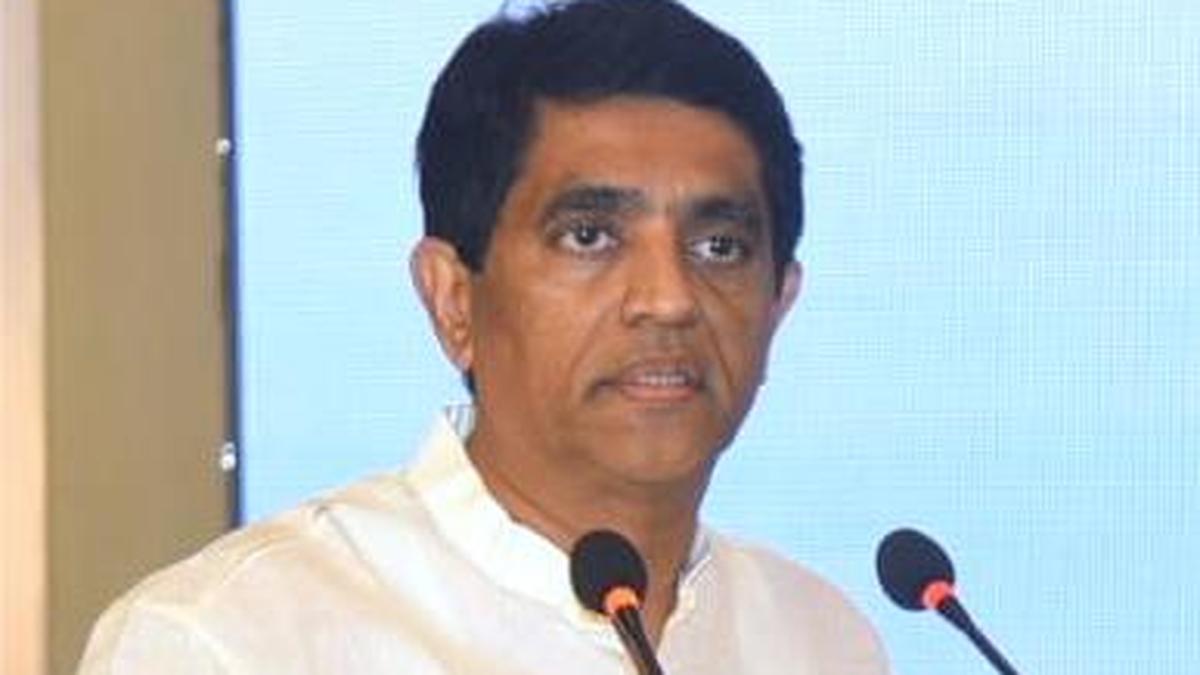
Former Finance Minister Buggana Rajendranath has voiced strong concerns regarding the Amaravati capital project, labeling it a significant financial weight on the state. He argues that the massive investment required for the project lacks immediate utility and could lead Andhra Pradesh into a deep debt trap. Instead, he advocates for a decentralized development model, often referred to as MAVIGUN, which focuses on using existing infrastructure in cities like Visakhapatnam and Kurnool. This approach, he claims, is a more practical and economically viable way to ensure growth across all regions of the state.
Main Impact
The primary impact of this stance is a shift in how state development is viewed from a financial perspective. By questioning the logic of building a brand-new city from the ground up, the former minister highlights the risk of spending limited public funds on long-term projects that do not offer quick returns. If the state continues to pour money into Amaravati, it may have less to spend on essential services like health, education, and welfare. This debate forces a choice between creating a single, high-cost administrative center or spreading resources to improve multiple existing urban areas.
Key Details
What Happened
During a recent discussion on the state's economic future, Buggana Rajendranath explained why the previous government's plan for a decentralized capital was more sensible. He pointed out that Amaravati is being built on greenfield land, which means everything from sewage systems to power grids must be created from scratch. This process is not only slow but incredibly expensive. He suggested that the state should instead focus on cities that already have the basics in place. By moving the executive capital to Visakhapatnam, the government could save billions that would otherwise be spent on basic infrastructure in Amaravati.
Important Numbers and Facts
The financial scale of the Amaravati project is a major point of worry. Estimates suggest that tens of thousands of crores are needed just to complete the first phase of the city. The former minister noted that borrowing such large sums of money comes with high interest rates. Over time, paying back these loans could take up a huge portion of the state's yearly budget. In contrast, using Visakhapatnam as a functional capital would require much less initial spending because the city already has roads, buildings, and an established economy. The MAVIGUN concept aims to balance growth by identifying key hubs across the state rather than putting all eggs in one basket.
Background and Context
This issue dates back to 2014 when Andhra Pradesh was divided, and the city of Hyderabad became part of Telangana. The state was left without a capital city and faced a difficult financial situation. The government at the time chose Amaravati as the site for a new, grand capital. However, when the government changed in 2019, the new leadership proposed a "three capitals" plan. This plan suggested having the executive branch in Visakhapatnam, the judicial branch in Kurnool, and the legislative branch in Amaravati. The goal was to prevent one single area from getting all the wealth while other parts of the state remained underdeveloped. This idea of decentralized growth is what the former Finance Minister continues to support.
Public or Industry Reaction
The reaction to these comments has been divided along political and economic lines. Many economists agree that building a city from scratch is a luxury that a debt-ridden state might not be able to afford. They argue that the "opportunity cost"—the things the state gives up to pay for Amaravati—is too high. On the other hand, supporters of the Amaravati project believe that a world-class capital is necessary to attract big companies and international investment. They see the project as a symbol of the state's pride and future potential. Meanwhile, residents in regions like Rayalaseema and the North Coast generally support the idea of decentralization, as it promises more jobs and better facilities in their own backyards.
What This Means Going Forward
Moving forward, the state government faces a tough balancing act. It must decide whether to stick with the original plan for a massive single capital or adopt the decentralized model suggested by the former Finance Minister. The decision will have long-term effects on the state's credit rating and its ability to fund social programs. If the government chooses to focus only on Amaravati, it must find a way to manage the rising debt without cutting funds for the poor. If it moves toward decentralization, it will need to navigate legal challenges and ensure that the transition does not cause administrative confusion. The path chosen will define the economic health of Andhra Pradesh for the next several decades.
Final Take
True development is not just about building tall towers in one location; it is about making sure every citizen has access to growth and opportunities. While a grand capital is an attractive idea, the reality of state finances cannot be ignored. Using existing cities to drive the economy is a grounded and realistic strategy. The focus should remain on what is best for the entire population rather than the creation of a single expensive city that might take many years to show any real benefit.
Frequently Asked Questions
What is the MAVIGUN alternative?
MAVIGUN is a concept that focuses on decentralized development. It suggests spreading administrative and economic power across several key cities like Visakhapatnam and Kurnool instead of concentrating everything in Amaravati.
Why is Amaravati considered a financial burden?
It is considered a burden because it is being built on undeveloped land. This requires a massive amount of money for basic infrastructure like roads and water systems, which could lead the state into significant debt.
What are the benefits of decentralized development?
Decentralized development helps ensure that wealth and jobs are shared across different regions of the state. It also allows the government to use existing buildings and infrastructure, saving a lot of public money.

