
Summary
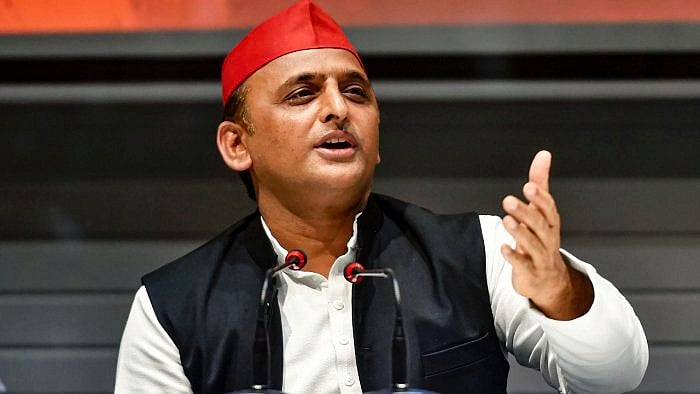
Samajwadi Party leader Akhilesh Yadav has challenged Uttar Pradesh Chief Minister Yogi Adityanath to resign if he cannot govern the state effectively. This demand follows a series of violent protests by workers in Noida that have created a political storm. While the Chief Minister suggested the unrest was part of a hidden plan or conspiracy, Yadav argued that the real causes are economic hardship and rising prices. This exchange highlights a growing divide between the state government and the opposition over how to handle labor issues and public anger.
Main Impact
The primary impact of this confrontation is a shift in the political conversation regarding labor rights and state security. By calling for the Chief Minister’s resignation, Akhilesh Yadav is putting pressure on the government to move away from blaming outside forces and instead address the financial struggles of the working class. This situation has turned a local labor dispute into a major debate about the state’s intelligence capabilities and its economic policies. It forces the public to choose between two views: one that sees the protests as a security threat and another that sees them as a sign of a failing economy.
Key Details
What Happened
The conflict began after workers in Noida held large and violent demonstrations. In response, Chief Minister Yogi Adityanath claimed there might be a "conspiracy" behind the movement. He even suggested that the protests could be linked to Naxalism, a term used for certain radical groups. Akhilesh Yadav quickly responded on social media, mocking the idea of a conspiracy. He pointed out that if a conspiracy truly existed, it meant the state’s own intelligence and police forces had failed to do their jobs. He asked if the police were too busy helping with political campaigns in other states to notice what was happening in Noida.
Important Numbers and Facts
The protests in Noida were triggered by changes in wage rules and the general rise in the cost of living. Akhilesh Yadav pointed to the last 10 years of governance, asking what the government has actually done to improve the lives of workers. He mentioned that inflation and "commission-driven" business deals have made it nearly impossible for many families to survive. The Samajwadi Party chief also criticized the "double-engine" government—a term the BJP uses to describe having the same party in power at both the state and national levels. Yadav claimed this system has failed and has instead become a "trouble engine" for the common man.
Background and Context
To understand this clash, it is important to know that Noida is a major industrial center in Uttar Pradesh. Thousands of workers rely on the factories and businesses there for their livelihoods. When new rules affect their pay or when the price of food and fuel goes up, the tension often boils over. In Indian politics, the ruling party often blames "outside elements" or "conspiracies" when large protests turn violent. On the other hand, the opposition uses these moments to highlight the government's failure to provide jobs and stable prices. This specific argument about "Naxalism" is a serious accusation in India, as it implies the protesters are trying to overthrow the government through violence.
Public or Industry Reaction
The reaction to these statements has been split along political lines. Supporters of the government believe that strict action is needed to stop violence and that the Chief Minister is right to look for hidden motives. They argue that the protests were not just about wages but were meant to cause chaos. However, labor unions and opposition supporters agree with Yadav. They feel that the government is trying to hide its economic failures by calling the workers names. Many people on social media have shared Yadav’s metaphor about "sprinkling salt on wounds," suggesting that the government is being heartless toward people who are already suffering from poverty.
What This Means Going Forward
Looking ahead, this political battle will likely get more intense. The Samajwadi Party is positioning itself as the voice of the workers and the poor, while the BJP is focusing on law and order. If the government continues to use the "conspiracy" angle, it may face more criticism for its intelligence failures. On the other hand, if the economic situation does not improve, more protests could break out in other industrial areas. The next steps will involve how the state handles the legal cases against the protesters and whether any new relief measures are announced for the workers to calm the situation.
Final Take
The demand for a Chief Minister to step down is a bold move that shows how high the stakes have become in Uttar Pradesh. By rejecting the "conspiracy" narrative, Akhilesh Yadav is forcing a conversation about the daily struggles of ordinary citizens. Whether the government listens to these economic concerns or continues to focus on security threats will determine the political mood of the state in the coming months. At the heart of the matter is a simple question: is the unrest caused by hidden enemies, or is it the result of people simply not having enough money to live?
Frequently Asked Questions
Why did Akhilesh Yadav ask the Chief Minister to resign?
He argued that if the Chief Minister cannot manage the state's economy or its security without blaming conspiracies, he should step down and let someone else lead.
What was the "conspiracy" mentioned by Yogi Adityanath?
The Chief Minister suggested that the violent worker protests in Noida were not natural and might have been planned by outside groups or people with radical "Naxal" links.
What does "double-engine government" mean?
This is a phrase used by the BJP to describe the benefit of having the same political party in power at both the state level (Uttar Pradesh) and the central level (India).

