
Summary
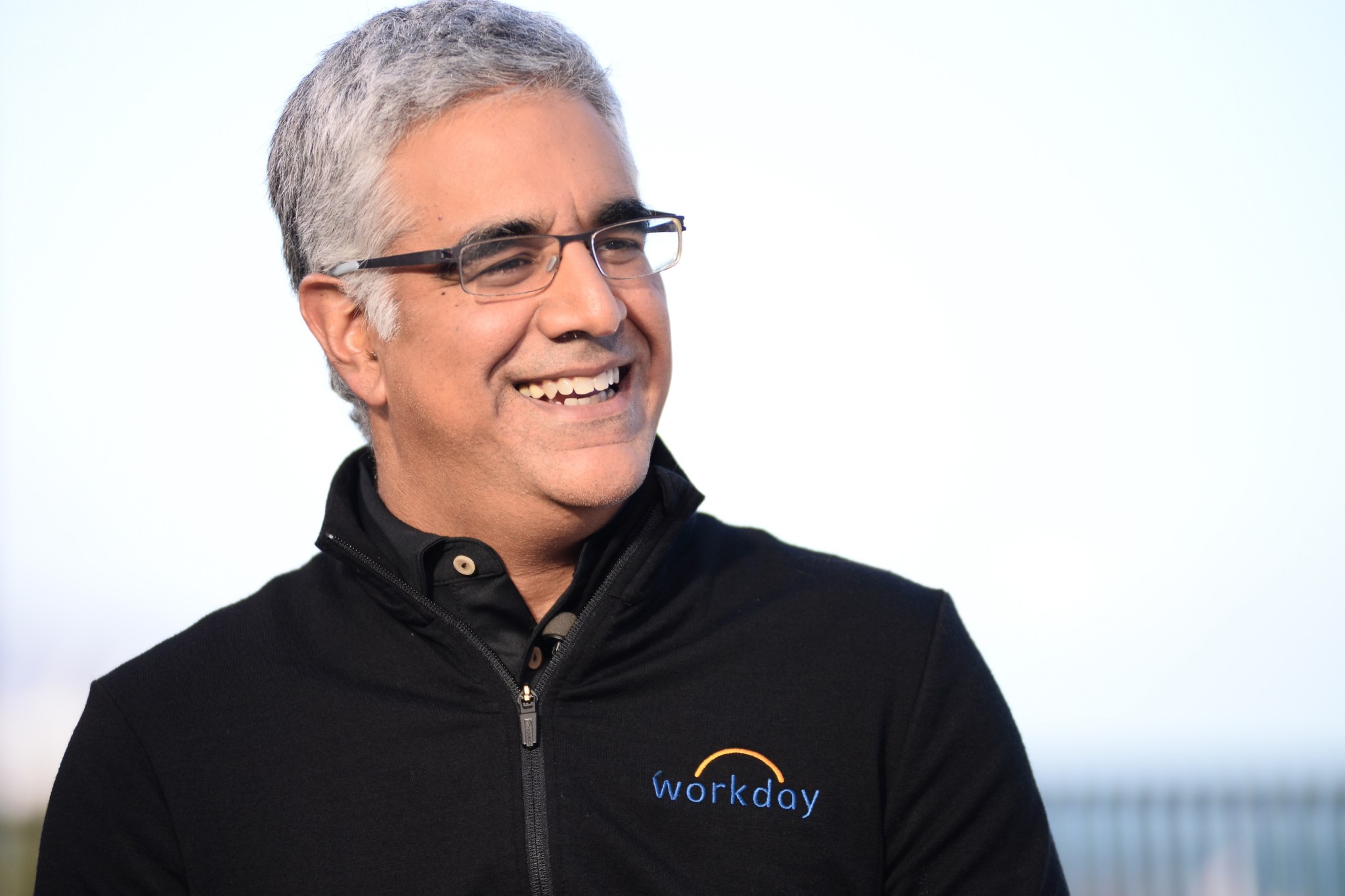
Workday CEO Aneel Bhusri recently shared his vision for the future of business software, dismissing fears that AI will completely replace existing applications. He argues that the trend of "vibe coding," where AI writes software based on simple prompts, is not a threat to major enterprise platforms. Instead, Bhusri believes the future lies in "agentic AI," which uses smart agents to handle complex, multi-step tasks. This shift is expected to finally push finance departments to move away from old, outdated systems and embrace modern, AI-driven tools.
Main Impact
The biggest impact of this shift is the way finance and HR departments will operate. For years, many large companies have stuck with old software because it was too difficult to change. Now, the promise of AI that can reason and solve problems is giving leaders a reason to upgrade. This change is not just about making things faster; it is about changing the nature of work by letting AI handle the repetitive parts of a job.
As more companies adopt these tools, we will see a hybrid environment. In this world, traditional software and AI work together. This will allow businesses to perform tasks that were previously impossible, such as checking financial records for errors in real-time rather than waiting until the end of the month or year.
Key Details
What Happened
Aneel Bhusri, the co-founder of Workday, returned to the CEO role last month. During a recent press conference, he addressed rumors about the death of Software-as-a-Service (SaaS). He explained that while AI is powerful, it will not simply delete the need for specialized business apps. Instead, Workday is leaning into "agentic" solutions. These are AI tools that do not just follow a list of rules but can actually think through a process to get a result.
To lead this charge, Workday recently launched a new tool called Sana. This tool came from a massive $1.1 billion acquisition of a company called Sana Labs. The goal of Sana is to act as a digital assistant that can work across different programs like Gmail, Salesforce, and Slack to finish tasks without a human having to click every button.
Important Numbers and Facts
The speed of this change is backed by data from industry experts. Gartner predicts that by the end of 2026, 40% of all business apps will include specific AI agents. This is a massive jump from 2025, where less than 5% of apps had these features. This shows that the business world is moving very quickly to adopt this technology.
Workday itself is a major player in this space, ranking at number 455 on the Fortune 500 list. Their investment of $1.1 billion into Sana Labs highlights how much money and effort is being poured into making AI a core part of everyday business operations.
Background and Context
In the past, finance teams were often the last to adopt new technology. While other parts of a company moved to the cloud, accounting departments often stayed with "on-premise" systems. These are old programs that run on a company's own servers rather than on the internet. These systems were hard to change because they were customized specifically for one company.
Bhusri noted that many teams are still using software that is decades old. Even when cloud computing became popular, some finance leaders did not see a big enough reason to switch. However, AI is changing that. Unlike older software that just automated simple steps, new AI can "reason." This means it can look at data, find patterns, and make decisions, which is exactly what finance teams need to save money and reduce errors.
Public or Industry Reaction
Finance chiefs, or CFOs, are showing a lot of interest in these new AI agents. According to Bhusri, these leaders see AI as a way to make their companies stand out from the competition. They are no longer looking at software as just a tool for keeping records; they see it as a way to drive the business forward.
The industry is also watching how these AI agents handle security. Because these tools can read emails and move data between different apps, there are concerns about privacy. Workday has responded by ensuring that their AI tools follow the same strict security rules that companies already have in place, which has helped build trust with large corporate clients.
What This Means Going Forward
In the coming years, the way we use computers at work will change. Instead of a person opening five different apps to complete one task, they might just tell an AI agent what they need. For example, an AI could find a receipt in an email, check it against a budget in a spreadsheet, and then submit it for payment in the finance system automatically.
This does not mean humans will lose their jobs, but their roles will change. Workers will spend less time on "rote work"—the boring, repetitive tasks—and more time on strategy and decision-making. The challenge for companies will be training their staff to work alongside these AI agents effectively.
Final Take
The idea that AI will destroy the current software industry is likely wrong. Instead, AI is becoming the engine that makes software more powerful. By focusing on agents that can perform complex tasks, companies like Workday are showing that the future of work is about cooperation between human intelligence and machine reasoning. The transition may have been slow for some departments, but the arrival of truly smart AI is finally making the digital upgrade a requirement for any business that wants to stay relevant.
Frequently Asked Questions
What is vibe coding?
Vibe coding is a term used to describe using AI to write software code based on simple descriptions or "vibes" rather than complex programming. While popular, experts believe it is not yet ready to replace the heavy-duty software used by large corporations.
What is an AI agent?
An AI agent is a type of artificial intelligence that can perform multi-step tasks on its own. Unlike basic AI that just answers questions, an agent can interact with different apps to complete a full work process, like filing an expense report.
Why are finance teams switching to AI now?
Finance teams are switching because AI offers benefits that older systems could not, such as real-time auditing and the ability to automate very complex accounting tasks. This helps companies save money and catch mistakes much faster than before.


