
Summary
India's new rural jobs scheme, called VB-G-RAM-G, aims to create more work for people in villages. But experts warn it could put heavy financial pressure on state governments. The plan promises to give more jobs and better wages, but states may struggle to pay for it. This could affect how well the scheme actually works for the people who need it most.
Main Impact
The VB-G-RAM-G scheme is designed to replace or expand on older rural job programs. It promises to provide 150 days of work per year to each rural household, up from the current 100 days under the existing MGNREGA program. This increase in work days means states will have to spend much more money on wages and materials. Many states already face tight budgets, and this extra cost could force them to cut spending on other important areas like health, education, or roads.
Key Details
What Happened
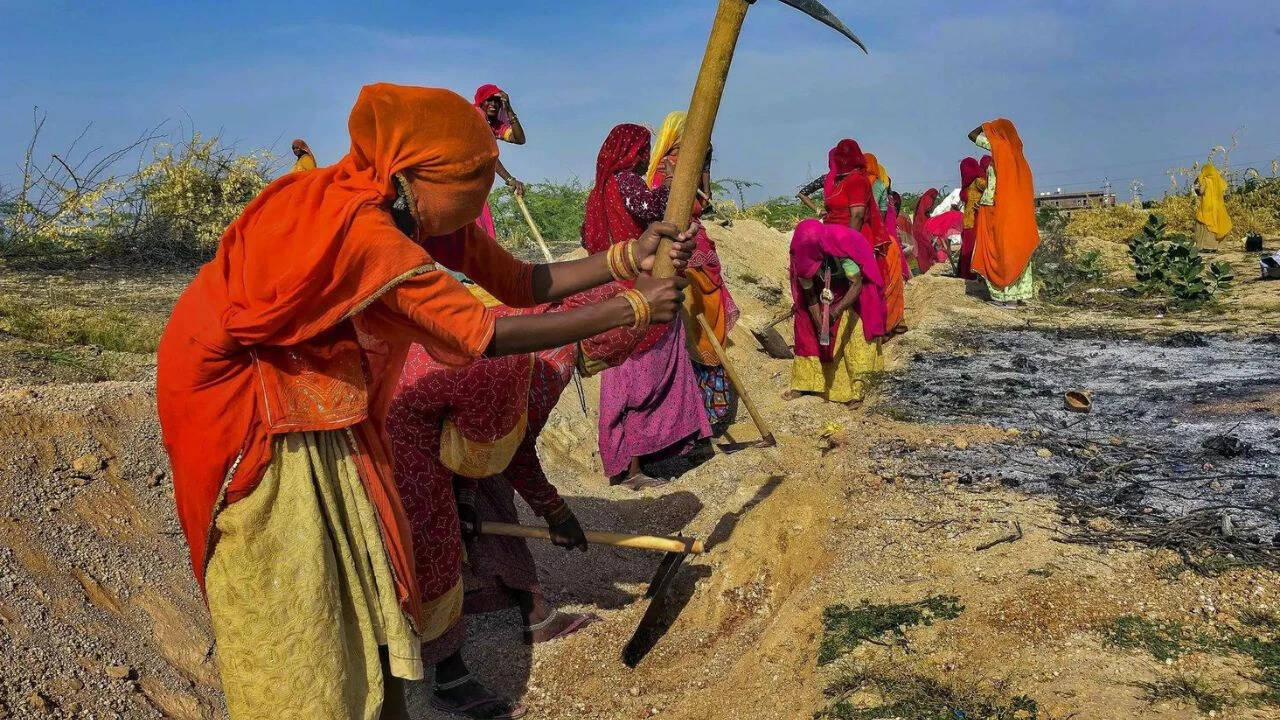
The central government announced the VB-G-RAM-G scheme as a way to boost rural employment and reduce poverty. It aims to give more work to people in villages, especially during lean seasons when farm work is scarce. The scheme also promises to pay wages on time and improve the quality of work projects like building ponds, roads, and other community assets.
Important Numbers and Facts
The scheme guarantees 150 days of work per household each year. This is 50% more than the current MGNREGA guarantee of 100 days. The central government will share some of the cost, but states will have to pay a larger share than before. For example, states may need to cover 40% of the wage cost, up from 25% under the old scheme. This could add billions of rupees to state budgets each year. Some states with large rural populations, like Uttar Pradesh, Bihar, and Madhya Pradesh, will feel the biggest impact.
Background and Context
India's rural job schemes have been around for many years. The most famous one is MGNREGA, which started in 2005. It guarantees 100 days of paid work per year to rural households. The goal is to provide a safety net for poor families and create useful community assets. Over time, the program has helped millions of people, but it has also faced problems like delays in wage payments, corruption, and poor quality of work. The new VB-G-RAM-G scheme tries to fix these issues by offering more days and better management. But the higher cost raises questions about whether states can afford it.
Public or Industry Reaction
Economists and policy experts have mixed views on the new scheme. Some say it is a good step to help rural families who struggle to find work. Others worry that states will not have enough money to run the program well. Farmers' groups and labor unions have welcomed the promise of more work days but want guarantees that wages will be paid on time. State governments have not yet commented officially, but many are likely to ask for more central funding to avoid budget problems.
What This Means Going Forward
The success of VB-G-RAM-G will depend on how well states can manage the extra costs. If states cannot pay for the scheme, it may lead to delays in wage payments or fewer work days than promised. This could hurt the very people the scheme is meant to help. On the other hand, if the scheme works well, it could lift many rural families out of poverty and create better infrastructure in villages. The central government may need to step in with more financial support to make sure the scheme delivers on its promises.
Final Take
The VB-G-RAM-G scheme has good intentions, but its success is not guaranteed. The biggest challenge is money. Without enough funding from both central and state governments, the scheme may fail to provide the jobs and wages it promises. Rural families are hoping for real change, but they may have to wait and see if the government can make it work.
Frequently Asked Questions
What is VB-G-RAM-G?
VB-G-RAM-G is a new rural jobs scheme announced by the Indian government. It promises 150 days of paid work per year to each rural household, up from 100 days under the older MGNREGA program.
Why might states face fiscal pressure from this scheme?
States will have to pay a larger share of the wage costs under the new scheme. This could add billions of rupees to their budgets, especially in states with large rural populations. Many states already have tight finances, so this extra cost could force them to cut spending elsewhere.
How is this scheme different from MGNREGA?
The main difference is the number of work days guaranteed. MGNREGA offers 100 days per household per year, while VB-G-RAM-G offers 150 days. The new scheme also aims to improve wage payments and the quality of work projects, but it comes with higher costs for states.



