Summary
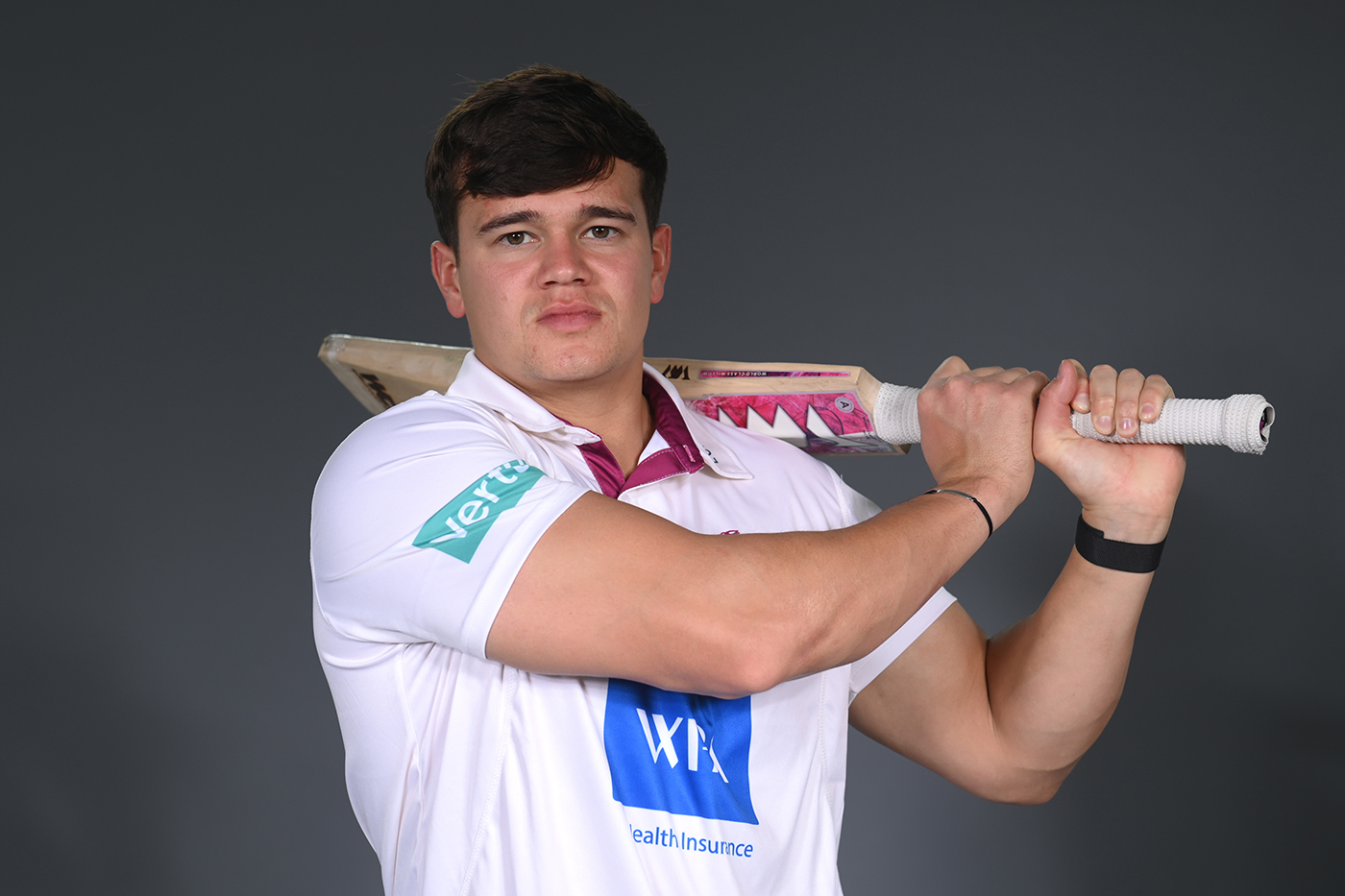
Will Smeed has finally made his first-class cricket debut in a way that no one expected. The young batter stepped onto the field as a substitute player for Somerset after a teammate was forced out by an injury. This moment is particularly surprising because Smeed had officially stepped away from long-form cricket three years ago. His appearance marks a rare turn of events where a player who chose to focus only on short games ended up playing the longest version of the sport due to an emergency.
Main Impact
The immediate impact of this event is felt most by Somerset, who had to quickly adjust their lineup during a high-stakes match. When Tom Kohler-Cadmore suffered a hand injury while fielding, the team needed a replacement who could handle the pressure of first-class cricket. By bringing in Smeed, the team utilized a player who is known for his power and speed in short matches, but who lacks recent experience in the patient, multi-day format of the game.
This situation also highlights the growing importance of substitute rules in modern cricket. In the past, substitutes were rarely allowed to fully participate in a match. Now, under specific conditions, they can step in and play a significant role. Smeed’s debut shows that even players who have moved away from certain formats must remain ready to help their team when a crisis occurs on the field.
Key Details
What Happened
The incident took place during a standard first-class match. Tom Kohler-Cadmore was positioned in the slip cordon, which is a group of fielders standing near the batter to catch edged balls. During play, he suffered a significant injury to his hand. The pain and damage were enough to prevent him from continuing in the game. Because the injury was clear and immediate, the team was allowed to bring in a substitute to take his place.
Will Smeed was the player chosen to step in. While Smeed is a regular part of the Somerset squad for short-form games, he has not been part of the red-ball team for several seasons. His entry into the game officially counts as his first-class debut, a milestone that many fans thought would never happen given his previous career choices.
Important Numbers and Facts
There are several key facts that make this story unique. First, Smeed is only 24 years old, yet he "retired" from red-ball cricket at the age of 21. This was a very rare move for such a young player. Second, this marks the third time this season that a substitute has been used in this manner, showing a trend of increasing injuries or more flexible rule applications in the league. Finally, the gap between Smeed's decision to stop playing long-form cricket and this debut is exactly three years, making it a long-awaited and unexpected return to the traditional side of the sport.
Background and Context
To understand why this is a big deal, it is important to know the difference between types of cricket. "Red-ball" or first-class cricket is the traditional version of the game. It lasts for four days and requires a lot of patience and different skills. "White-ball" cricket, like T20, is very fast and usually ends in a few hours. A few years ago, Will Smeed made headlines by announcing he would only play white-ball cricket. He wanted to become a specialist in hitting the ball hard and scoring runs quickly.
At the time, many experts were worried that more young players would follow Smeed's path and leave the traditional game behind. Smeed was seen as a pioneer for a new generation of cricketers who only care about the shortest, most exciting versions of the sport. Because he had not played a single first-class match before his "retirement," this substitute appearance is technically the start of a career he said he didn't want to have.
Public or Industry Reaction
The reaction from cricket fans and experts has been a mix of amusement and interest. Many people on social media pointed out the irony of Smeed making his debut in a format he had publicly walked away from. Some fans joked that the game has a way of bringing players back to its roots, whether they like it or not. Within the industry, coaches are discussing the physical toll on players, as Tom Kohler-Cadmore’s injury is part of a series of hand injuries seen in the slip cordon this year.
Cricket analysts are also looking at how Smeed performed. Even though he was not prepared for a four-day match, his natural talent is obvious. There is now a debate about whether players who specialize in short games should be encouraged to keep their skills sharp for long-form games, just in case they are needed as substitutes.
What This Means Going Forward
Going forward, this event might change how teams think about their substitute lists. Teams may start ensuring that their white-ball specialists are also practicing with the red ball, just in case an injury happens. For Will Smeed, this debut does not necessarily mean he will return to red-ball cricket permanently. He is still likely to focus on T20 and other short formats where he has a very successful career.
However, this moment will always be a strange footnote in his career history. It also puts pressure on league officials to look at player safety. If hand injuries in the slip cordon are becoming more common, there may be calls for better protection or changes in how players are trained to field in those dangerous positions. For now, the focus remains on Kohler-Cadmore’s recovery and how long he will be off the field.
Final Take
Will Smeed’s unexpected debut is a perfect example of how unpredictable professional sports can be. Even when a player makes a firm choice to follow one path, the needs of the team and the reality of injuries can change everything in a single moment. While Smeed may still prefer the fast pace of short-form cricket, his entry into the first-class world proves that he is a team player ready to step up when called upon. It is a reminder that in cricket, you should never say never.
Frequently Asked Questions
Why did Will Smeed stop playing red-ball cricket?
Smeed decided to focus on white-ball cricket to become a specialist in shorter, faster formats like T20. He felt his skills were better suited for high-speed scoring rather than the long, patient style of four-day matches.
How can a player make a debut as a substitute?
Under current cricket rules, if a player is injured during a match, a substitute can be brought in. If the substitute has never played a first-class match before, their appearance in that game counts as their official debut in the format.
What happened to Tom Kohler-Cadmore?
He suffered a hand injury while fielding in the slip cordon. The injury was serious enough that he could not continue playing, which led to Will Smeed taking his place in the match.