Summary
Ayush Mhatre has made headlines in the 2026 Indian Premier League (IPL) by becoming the first player of the season to be "retired out." During a high-stakes match, the young batter scored a solid 59 runs from just 36 balls before walking off the field voluntarily. This move was not due to an injury but was a tactical decision by his team to bring in a fresh power-hitter for the final overs. This rare event has sparked a massive conversation among cricket fans and experts about the changing nature of the game.
Main Impact
The decision to retire Mhatre out shows how T20 cricket is evolving into a game of pure numbers and strategy. In the past, a batter would only leave the field if they were hurt or if they lost their wicket. By choosing to "retire out," Mhatre’s team prioritized the needs of the scoreboard over individual milestones. This move helped the team maintain a high scoring rate during the most critical part of the innings, proving that modern teams are willing to take big risks to secure a win.
Key Details
What Happened
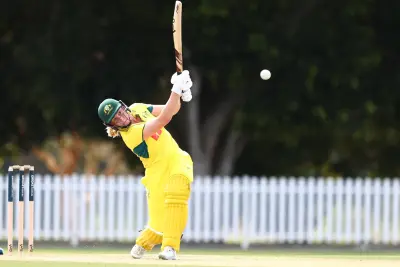
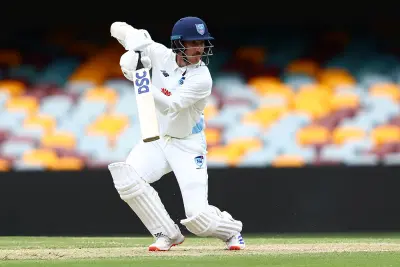
Ayush Mhatre was in excellent form, hitting several boundaries and keeping the run rate steady. He reached a half-century and continued to push the score forward. However, as the game entered the final few overs, the team management decided they needed someone who could hit the ball even harder from the very first delivery. Instead of waiting for Mhatre to get caught or bowled, the captain signaled for him to come back to the dugout. Mhatre walked off, and a specialist finisher took his place immediately.
Important Numbers and Facts
Mhatre’s performance was impressive even without the tactical exit. He scored 59 runs at a strike rate of over 160. His innings included five fours and three sixes. By retiring out, he became only the second or third player in the history of the IPL to be officially recorded this way. The timing of the move happened around the 17th over, a period often called the "death overs," where every ball must result in maximum runs.
Background and Context
In cricket, there is a big difference between being "retired hurt" and "retired out." When a player is retired hurt, it means they are too injured to continue. They can usually come back to bat later if they feel better. However, when a player is "retired out," it is treated like a normal wicket. They cannot return to the game. This rule has existed for a long time, but it was rarely used because it was seen as unsportsmanlike. In recent years, teams have started to see it as a smart way to manage their best hitters. Ravichandran Ashwin was one of the first players to use this strategy in the IPL a few years ago, and now younger players like Mhatre are following suit.
Public or Industry Reaction
The internet was quickly filled with opinions after the move. Many fans praised the team for their "big brain" strategy, noting that T20 cricket is about efficiency, not just staying at the crease. They argued that if a player is slowing down, it is better for the team to bring in someone else. On the other hand, some traditional fans felt the move was "against the spirit of the game." They believe that a batter should earn their way off the field by either finishing the game or losing their wicket. Social media platforms saw heated debates between those who love the data-driven side of cricket and those who miss the older traditions of the sport.
What This Means Going Forward
This event will likely encourage other IPL teams to use the "retired out" rule more often. As the competition for the playoffs gets tougher, coaches will look for every possible advantage. We might see more batters being called back to the dugout if they fail to hit boundaries in the final minutes of a match. It also puts pressure on players to maintain an incredibly high strike rate throughout their entire stay at the crease. If a batter knows they might be pulled off the field, they may play more aggressively from the start.
Final Take
Ayush Mhatre’s tactical exit is a clear sign that the IPL is moving toward a future where team goals always come before individual glory. While it may feel strange to see a player walk off after scoring a half-century, it is a logical step in a sport that is becoming faster and more competitive every year. This moment will be remembered as a key point in the 2026 season, showing that winning requires both skill with the bat and a very smart plan.
Frequently Asked Questions
What does "retired out" mean in cricket?
It means a batter leaves the field voluntarily without being injured. It is recorded as a wicket, and the player is not allowed to come back and bat again in that innings.
Is retiring out the same as retiring hurt?
No. Retiring hurt happens because of an injury or illness. A player who is retired hurt can return to bat later if a wicket falls. A player who is retired out is finished for the rest of the innings.
Why would a team choose to retire a player out?
Teams do this for tactical reasons. If a batter is scoring too slowly or if the team has a better "finisher" waiting in the dugout, they may call the current batter back to maximize their scoring chances in the final overs.