
Summary
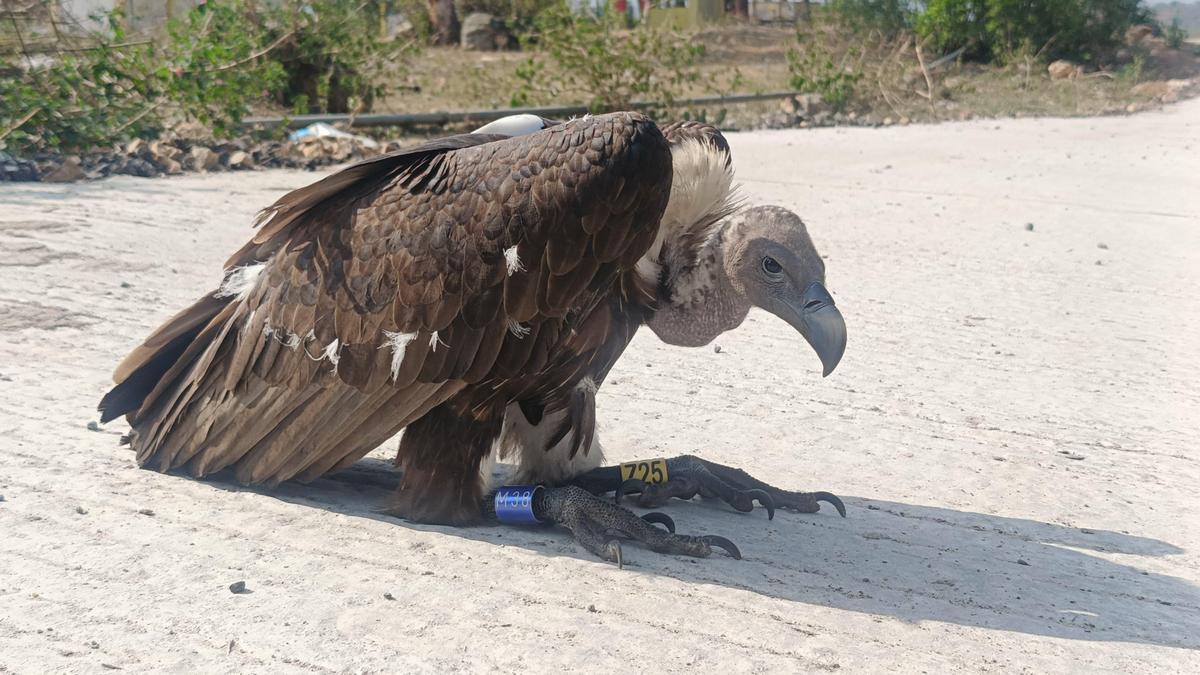
Wildlife officials in the Mudumalai Tiger Reserve are currently tracking a White-rumped vulture that has been fitted with a radio tag. This effort is part of a major conservation project aimed at saving one of the world’s most threatened bird species. By using satellite technology, researchers can follow the bird's movements in real-time to understand its habits and the challenges it faces in the wild. This monitoring is vital for creating better protection plans for vultures across the region.
Main Impact
The primary impact of this monitoring project is the ability to gather precise data on how vultures use their habitat. In the past, it was difficult for scientists to know exactly where these birds traveled or where they found food. Now, with radio tagging, the Forest Department can identify specific areas that are critical for the vulture's survival. This information helps authorities protect those areas from human interference and ensures that the birds have a safe environment to live and breed.
Key Details
What Happened
A White-rumped vulture was safely captured by a team of experts and fitted with a small, lightweight radio transmitter. After the tag was secured, the bird was released back into the Mudumalai Tiger Reserve. Since then, the device has been sending signals to a satellite, allowing researchers to see the bird's flight paths on a map. This is part of a larger study to see how vultures move between different forest reserves in South India, including those in Kerala and Karnataka.
Important Numbers and Facts
The White-rumped vulture is listed as critically endangered, which is the highest risk level before a species becomes extinct. Over the last few decades, their population in India fell by more than 99%. The Mudumalai Tiger Reserve is one of the last remaining strongholds for these birds. The radio tag used in this study is designed to be very light, usually weighing less than 3% of the bird's total body weight, so it does not interfere with its ability to fly or hunt.
Background and Context
Vultures play a very important role in nature. They are known as "nature's cleaners" because they eat the carcasses of dead animals. By doing this, they help stop the spread of dangerous diseases like anthrax and rabies that could otherwise affect other wildlife and humans. Without vultures, dead animals would rot in the open, creating a health risk for everyone.
The main reason these birds almost disappeared was the use of a drug called Diclofenac. This medicine was commonly given to cattle to treat pain. However, when vultures ate the remains of cattle that had been treated with this drug, they suffered from kidney failure and died. Although the government has banned the use of this drug for animals, illegal use still happens in some places, making it hard for the vulture population to recover.
Public or Industry Reaction
Conservationists and bird lovers have welcomed the news of the radio-tagging project. Many experts believe that technology is the best way to bridge the gap in our knowledge about vulture behavior. Local communities around the tiger reserve are also being involved in the effort. Forest officials are talking to farmers and cattle owners to explain why they should avoid using harmful chemicals on their livestock. The reaction has been mostly positive, as people realize that a healthy vulture population leads to a cleaner and safer environment for their villages.
What This Means Going Forward
The data collected from this single vulture will lead to more birds being tagged in the future. If researchers find that the birds are flying into areas where they face risks, the government can take steps to make those areas safer. This might include stricter rules on chemical use or creating "Vulture Safe Zones" where the birds are guaranteed to find clean food. The project also encourages different states to work together, as vultures do not recognize borders and often fly across state lines in search of food.
Final Take
Monitoring the White-rumped vulture in Mudumalai is a hopeful sign for wildlife conservation. It shows that by combining modern technology with traditional forest management, we can help even the most endangered species recover. Protecting these birds is not just about saving one type of animal; it is about maintaining the balance of our entire ecosystem. Every flight path recorded by the radio tag brings us one step closer to ensuring that vultures remain a part of the Indian sky for generations to come.
Frequently Asked Questions
Why are vultures being fitted with radio tags?
Radio tags help researchers track the birds' movements in real-time. This helps them understand where the vultures feed, sleep, and face potential dangers, which is essential for their protection.
Is the radio tag heavy or painful for the bird?
No, the tags are very small and lightweight. They are designed by experts to ensure they do not hurt the bird or make it difficult for them to fly or behave naturally.
Why did the vulture population decrease so much?
The main cause was a drug called Diclofenac used in cattle. When vultures ate dead cattle that had this drug in their system, it caused the birds to die from kidney failure.



