Summary
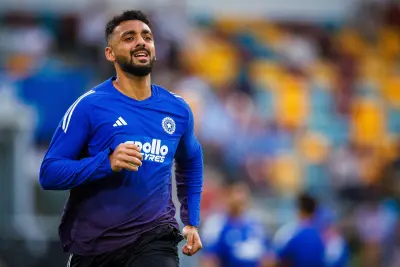
Pakistan all-rounder Mohammad Nawaz has been banned by the International Cricket Council (ICC) for breaking anti-doping rules. He tested positive for a substance called Carboxy-THC, which is linked to cannabis use. The ICC gave him a three-month suspension, but it was backdated to May 1, 2026, when he agreed to a provisional ban. Nawaz admitted the mistake and proved the substance was not used to improve his cricket performance. He can now return to the sport after finishing a required treatment program.
Main Impact
The ban means Nawaz's cricket records from February 7, 2026, to May 1, 2026, have been wiped out. This includes his performances during the ICC Men's T20 World Cup 2026 match against the Netherlands. The ICC's decision shows that players are held responsible even if the banned substance was not taken to boost their game. Nawaz's cooperation and honesty helped reduce his punishment, but the loss of official records is a serious blow to his career.
Key Details
What Happened
Mohammad Nawaz, a 32-year-old all-rounder for Pakistan, failed a doping test after a T20 World Cup match against the Netherlands in Colombo, Sri Lanka, on February 7, 2026. The test found Carboxy-THC, a substance listed under the ICC Anti-Doping Code as a "Substance of Abuse." Nawaz admitted to the violation and explained that the substance was used outside of competition and not for performance enhancement. The ICC accepted his explanation and reduced his suspension from three months to one month, provided he completes a substance abuse treatment program.
Important Numbers and Facts
The suspension was backdated to May 1, 2026, when Nawaz voluntarily accepted a provisional ban. This means the three-month suspension has already been served. However, all his performances from February 7, 2026, to May 1, 2026, are disqualified. The ICC also confirmed that Nawaz agreed to join a treatment program, which will further shorten his ban to just one month once completed.
Background and Context
Anti-doping rules in cricket are strict to keep the sport fair and clean. The ICC tests players regularly, especially during big tournaments like the T20 World Cup. Carboxy-THC is a byproduct of cannabis, which is banned because it can affect judgment and health. Even if a player does not use it to improve performance, having it in the body is a violation. This case shows that the ICC takes all positive tests seriously, but it also rewards players who are honest and cooperate with the process.
Public or Industry Reaction
The cricket community has reacted with mixed feelings. Some fans and experts support the ICC's decision, saying rules must be followed. Others feel sympathy for Nawaz, noting that he did not try to cheat and admitted his mistake quickly. The Pakistan Cricket Board (PCB) has not made a public statement yet, but Nawaz's teammates are likely to welcome him back once he completes the treatment program. The case has also sparked discussions about substance abuse in sports and the need for better education for players.
What This Means Going Forward
Nawaz can now focus on returning to international cricket after finishing the treatment program. The loss of his records from February to May 2026 is a setback, but he can rebuild his career. For other players, this case is a reminder that even off-field actions can have serious consequences. The ICC's approach—balancing punishment with support for rehabilitation—sets a clear example. Moving forward, Nawaz will need to stay clean and prove his commitment to the sport.
Final Take
Mohammad Nawaz's ban is a lesson in responsibility and honesty. By admitting his mistake and cooperating, he avoided a longer suspension and can now return to cricket. The ICC's decision reinforces that anti-doping rules apply to everyone, regardless of intent. For Nawaz, the next step is to complete the treatment program and focus on his game. This case shows that even in tough situations, transparency and accountability can lead to a second chance.
Frequently Asked Questions
Why was Mohammad Nawaz banned by the ICC?
Mohammad Nawaz was banned for testing positive for Carboxy-THC, a substance linked to cannabis, after a T20 World Cup match. He admitted the violation and proved it was not used to improve his cricket performance.
How long is Mohammad Nawaz's suspension?
The ICC gave him a three-month suspension, but it was backdated to May 1, 2026. He can return after completing a substance abuse treatment program, which will reduce the ban to one month.
What happens to Mohammad Nawaz's cricket records?
All his performances from February 7, 2026, to May 1, 2026, have been disqualified. This includes his stats from the T20 World Cup match against the Netherlands.