
Summary
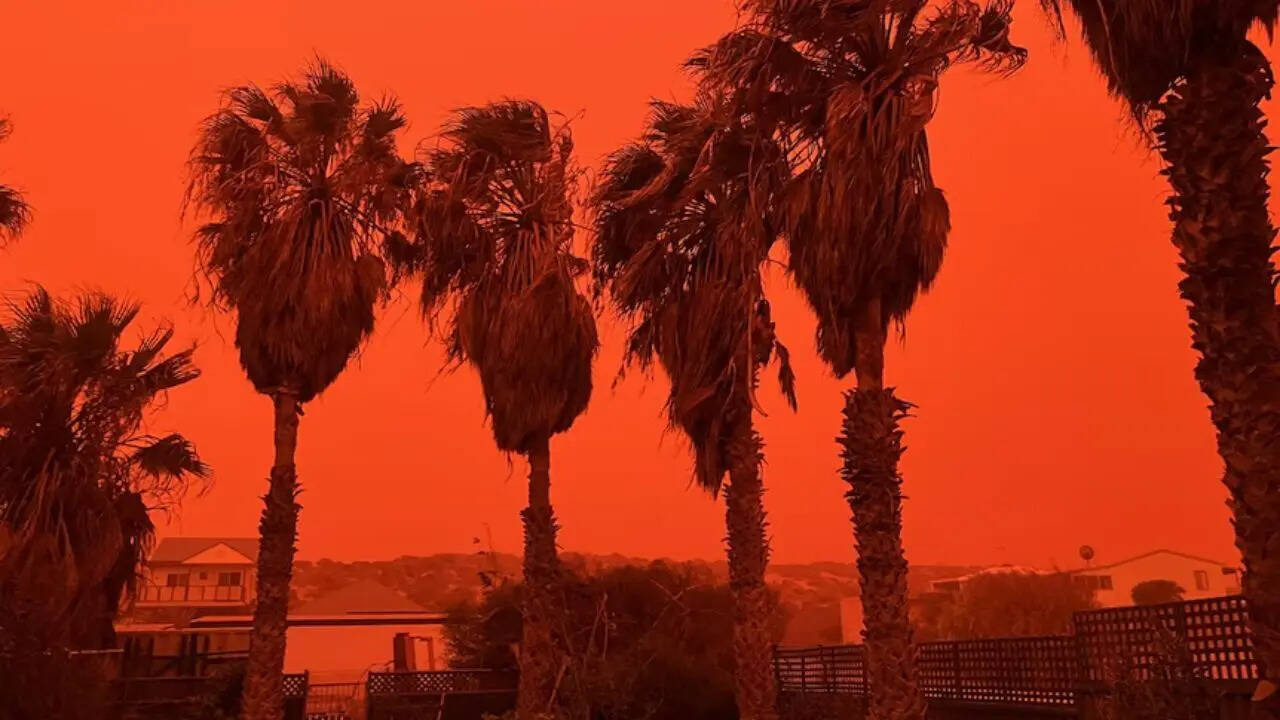
A powerful weather event recently turned the skies over Western Australia into a deep, blood-red color. This strange sight was caused by Cyclone Narelle, which triggered a massive dust storm known as a haboob. As the cyclone moved along the coast, its strong winds picked up huge amounts of red soil from the dry inland areas and pushed them toward the ocean. This created a giant wall of red dust that blocked out the sun and made the sky look like a scene from a science fiction movie.
Main Impact
The most immediate impact of this event was the total change in the environment's appearance. In coastal towns like Onslow, the bright blue sky disappeared and was replaced by a dark, crimson glow. This was not just a visual change; the thick dust made it very hard to see, creating dangerous conditions for drivers and pilots. The air quality dropped quickly, forcing people to stay indoors to avoid breathing in the fine red sand. For many residents, the event was both beautiful and frightening, as the dark red light made it feel like night during the middle of the day.
Key Details
What Happened
The red sky was the result of a perfect storm of conditions. Cyclone Narelle was spinning off the coast of Western Australia, bringing very high winds. These winds moved over the Pilbara region, which is famous for its dry, iron-rich red soil. The wind acted like a giant vacuum, lifting the dirt high into the air. Because the cyclone was moving in a specific direction, it pushed this massive cloud of red earth right over the coastline and out into the sea. When the sun's light tried to pass through this thick layer of dust, only the red parts of the light could get through, which is why everything looked so red.
Important Numbers and Facts
Cyclone Narelle reached the strength of a Category 4 storm, which means its winds were extremely fast and powerful. The wall of dust it created was estimated to be several hundred meters high and stretched for many kilometers along the coast. While dust storms happen often in the Australian outback, seeing one this large and this red on the coast is considered a rare event. The storm moved at a steady pace, keeping the sky red for several hours before the winds shifted and the dust began to settle.
Background and Context
To understand why the sky turned red, you have to look at the geography of Western Australia. The interior of the state is mostly desert with soil that contains a lot of iron oxide. This is the same stuff that makes rust red. During the summer months, the ground becomes very dry and the dirt turns into a fine powder. Tropical cyclones are common during this time of year. When a cyclone stays offshore but its outer winds reach the land, it can pick up this dry powder. This specific event became famous worldwide because of the intense color, which was much deeper than a normal dust storm.
Public or Industry Reaction
The reaction from the public was a mix of wonder and worry. Many people rushed to take photos and videos, which quickly spread across the internet. Some people who had lived in the area for decades said they had never seen the sky look quite that dark or that red. Local authorities and weather experts had to explain the science behind the event to calm people who thought something much worse was happening. Mining companies in the region had to stop work temporarily because the dust was too thick for machines to operate safely, and ships in the area had to be extra careful due to the lack of visibility.
What This Means Going Forward
Events like the red skies of Cyclone Narelle help scientists learn more about how large storms interact with the land. It shows how a storm out at sea can still have a massive effect on the air quality and environment of the mainland. Moving forward, weather agencies are working on better ways to predict these dust walls so that towns can be warned earlier. People living in these areas are also being told how to better seal their homes and protect their health when the red dust arrives. As weather patterns change, these types of rare events might happen more often, making it important to understand the science behind them.
Final Take
The blood-red skies over Western Australia are a clear example of how powerful and surprising nature can be. While the sight was eerie and looked like a warning of danger, it was actually a simple mix of wind, red dirt, and sunlight. It serves as a reminder of the unique environment in the Australian outback and how even a distant cyclone can change the world around us in an instant.
Frequently Asked Questions
Why did the sky turn red instead of another color?
The sky turned red because the dust particles in the air were made of red soil. These particles blocked other colors of light, like blue and green, and only let the red light pass through to reach your eyes.
Is a dust storm like this dangerous to breathe?
Yes, the dust is made of very tiny particles that can irritate your lungs and eyes. People with asthma or other breathing problems are usually told to stay inside with the windows closed during these events.
How long do these red sky events usually last?
Most of the time, the intense red color lasts for a few hours. It depends on how fast the wind is moving and how much dust is in the air. Once the wind dies down or changes direction, the dust starts to fall or blow away.

