
Summary
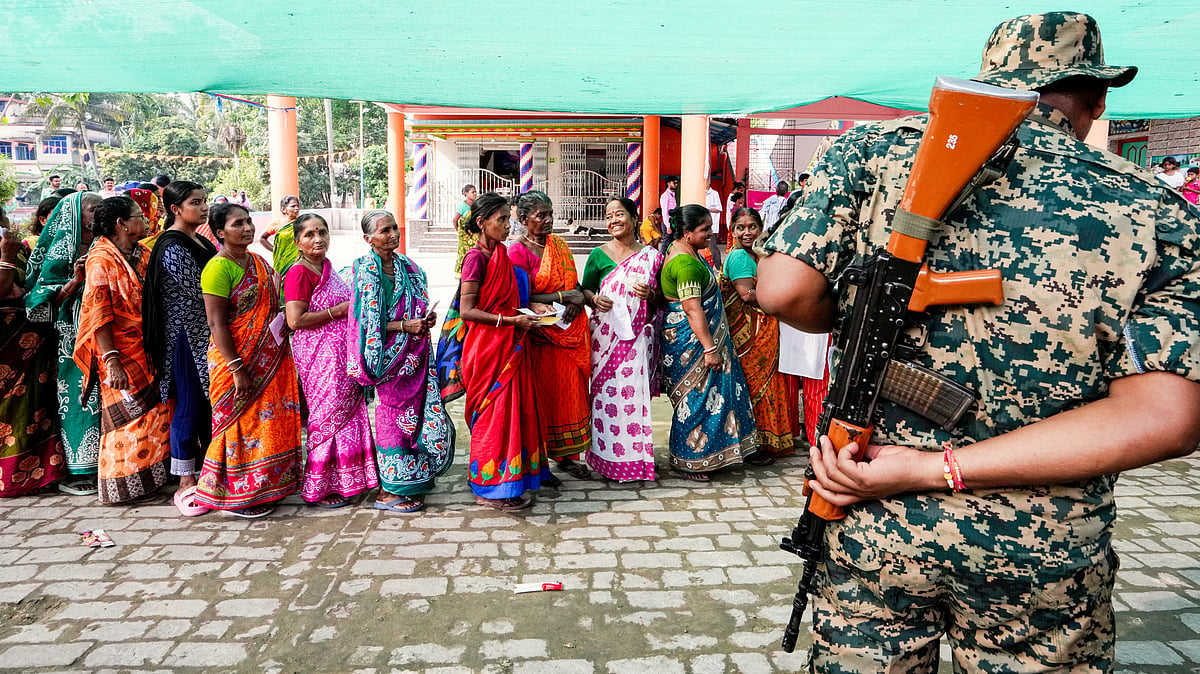
West Bengal saw a massive 90 percent voter turnout during the first phase of its state elections on April 23, 2026. This record-breaking participation happened across 152 constituencies, stretching from the northern hills to the southern plains. While the high numbers show strong public interest, the day was also marked by reports of violence, machine failures, and extreme heat. Voters appeared determined to cast their ballots despite tensions and recent changes to the official voter lists.
Main Impact
The primary impact of this high turnout is a sense of political urgency across the state. A 90 percent turnout is much higher than the 82 percent seen in the 2021 elections. This surge suggests that citizens feel this election is a turning point for their future. However, the day was not smooth, as over 700 complaints were filed regarding voting issues. The heavy presence of security forces and the high volume of voters have set a very intense tone for the upcoming phases of the election.
Key Details
What Happened
The election day was a mix of long queues and sudden disruptions. In many areas, temperatures rose to 40°C, making the wait difficult for elderly citizens and workers. Beyond the weather, technical problems with Electronic Voting Machines (EVMs) caused long delays. In some districts, machines had to be replaced multiple times, leading to frustration. There were also several reports of physical fights between supporters of different political parties, requiring intervention from central security forces.
Important Numbers and Facts
The first phase covered 152 out of the state's total seats. The 90 percent turnout is one of the highest in recent history. Officials received 360 direct complaints and another 340 through a mobile app called cVIGIL. A major talking point was the recent "special intensive revision" of the voter list, which saw nearly 10 percent of names removed. This led to a sense of anxiety, as many people feared they would lose their right to vote if they did not show up at the booths.
Background and Context
This election is a major battle between the ruling Trinamool Congress (TMC) and the Bharatiya Janata Party (BJP). The TMC, led by Mamata Banerjee, is trying to win a fourth term in a row. They are focusing on their local welfare programs that give financial help to women and families. On the other side, the BJP is campaigning on the idea of change, focusing on issues like security and the economy. Other groups, like the Left Front and Congress, are also trying to regain their influence in specific rural and religious areas. The high turnout is partly linked to fears about citizenship and future government policies that might affect who is allowed to live and work in the state.
Public or Industry Reaction
Political leaders have different views on why so many people voted. Prime Minister Narendra Modi suggested that the high turnout is a sign that people want a new government. He promised that development would follow once the results are out. Mamata Banerjee argued that the numbers show people are angry with the central government and want to protect the state's current welfare systems. Local leaders, like Adhir Ranjan Chowdhury, noted that people seemed less afraid of intimidation this year. He mentioned that the fear of having their names removed from government lists pushed many people to stand in line for hours.
What This Means Going Forward
The high turnout in the first phase puts pressure on all parties for the next round of voting. Phase two is scheduled for April 29 and will cover another 142 seats. Election officials are now looking at how to fix the technical glitches that slowed down the first phase. They also need to decide if more security is needed to prevent the kind of clashes seen in places like Birbhum and Murshidabad. The final results will be announced on May 4, and until then, the state remains in a high state of alert. Both the TMC and BJP are already claiming they have won the majority of the seats from this first round.
Final Take
The record turnout in West Bengal shows a deeply engaged public that views voting as a vital shield for their rights. While the violence and technical failures are concerning, the sheer number of people who braved the heat and tension proves that the democratic spirit remains very strong in the state. The next few weeks will determine if this momentum continues and which political vision the people have ultimately chosen.
Frequently Asked Questions
Why was the voter turnout so high in this phase?
The 90 percent turnout was driven by intense political competition and voter anxiety. Many people feared that if they did not vote, their names might be permanently removed from official government records following a recent list revision.
What were the main problems reported during the voting?
The main issues included broken voting machines (EVMs), extreme heat reaching 40°C, and clashes between rival party supporters. Over 700 formal complaints were made to the Election Commission regarding these problems.
When will the final election results be known?
The first phase took place on April 23, and the second phase is set for April 29. After all the votes are cast across the state, the final counting and results will be released on May 4, 2026.

