
Summary
Waymo’s co-CEO, Tekedra Mawakana, recently stated that robotaxis are not destroying human jobs. Instead, she argues that the rise of self-driving cars is shifting work toward maintenance and technical support roles. While robots handle the driving, humans are still needed to fix tires, clean sensors, and manage large fleets of vehicles. This shift aims to reassure workers who fear that artificial intelligence will leave them without employment.
Main Impact
The growth of autonomous vehicles is changing the job market for drivers and mechanics. As companies like Waymo expand into more cities, the focus is moving away from the person behind the steering wheel and toward the people who keep the cars running. This change could create thousands of new roles in the "blue-collar" sector, such as fleet technicians and infrastructure workers. Waymo is already investing in education to prepare people for these new types of jobs, suggesting that the future of work will involve a partnership between humans and machines.
Key Details
What Happened
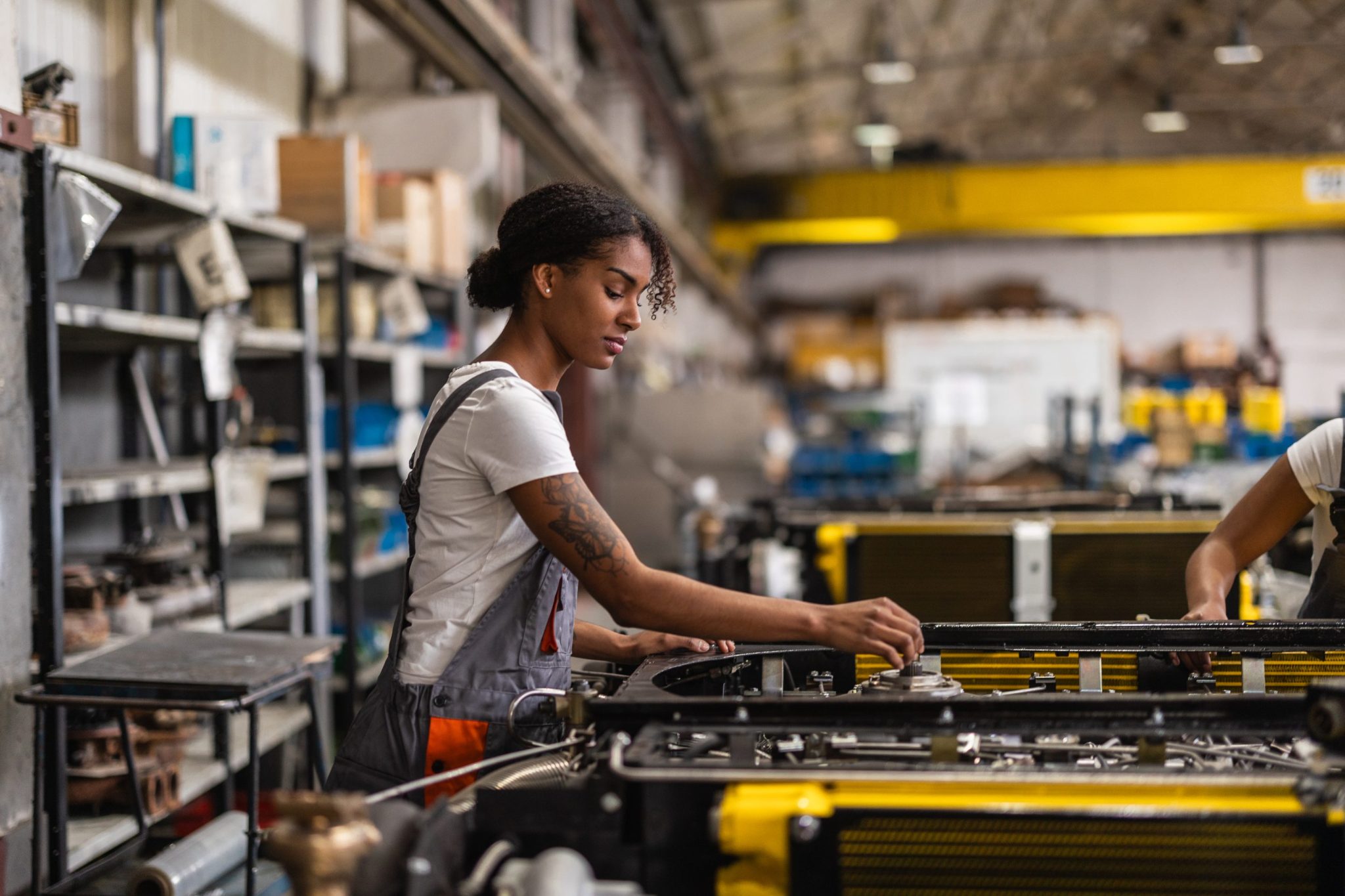
In a recent interview, Waymo’s leader addressed the common fear that self-driving technology will lead to mass unemployment. She explained that in the cities where Waymo has operated for years, jobs have not disappeared. Instead, the company requires a large team of people to handle the physical needs of their electric car fleet. These tasks include rotating tires, fixing hardware, and managing the charging stations that keep the cars moving. Waymo is positioning itself as a creator of new opportunities rather than a threat to existing ones.
Important Numbers and Facts
Waymo is currently valued at $126 billion and is the leader in the American self-driving car industry. The company operates about 3,000 robotaxis across 10 different cities. Experts predict the market will grow significantly in the coming years. A report from Goldman Sachs suggests the number of robotaxis in the U.S. could jump from 1,500 in 2025 to 35,000 by 2030. Additionally, a study by the Chamber of Progress estimates that for every 1,000 self-driving cars on the road, about 190 workers are needed to build and maintain them. This could result in over 114,000 new jobs over the next 15 years.
Background and Context
The fear of robots taking jobs is not new. In recent years, AI and automation have started doing tasks once handled by people, such as cooking fast food and working in warehouses. Self-driving cars are the latest step in this trend. Many gig workers, like those who drive for Uber or Lyft, worry that they will be replaced by software. This concern is backed by data showing that 85% of people believe driverless cars will cause job losses. Waymo’s efforts to fund scholarships and partner with community colleges are designed to show that the company is thinking about the workforce, not just the technology.
Public or Industry Reaction
The reaction to robotaxis is mixed. While tech leaders are excited, many drivers are worried. The CEO of Uber has predicted that within 20 years, most rides will be handled by robots. This has put many ride-hailing workers on edge. However, other industry leaders, like the CEO of the app Grab, agree with Waymo. They believe that while driving jobs might decrease, new roles like remote safety monitors and data analysts will appear. Despite these promises, many people remain skeptical and feel that the technology might be a bad idea for society as a whole.
What This Means Going Forward
As the technology improves, we will likely see a major shift in how people are trained for work. Instead of learning how to drive professionally, workers may need to learn how to service complex sensors like LiDAR and cameras. Waymo’s partnership with Bronx Community College is a sign of things to come. More schools may start offering programs specifically for autonomous vehicle maintenance. The challenge for the future will be ensuring that the people who lose driving jobs have the skills and support to move into these new technical roles.
Final Take
Technology often changes the way we work rather than ending work entirely. While the sight of an empty driver’s seat is scary for many, the need for human hands to maintain and manage these fleets remains high. The success of this transition depends on whether companies like Waymo continue to invest in the people who keep their robots on the road.
Frequently Asked Questions
Will robotaxis take away all driving jobs?
While robotaxis will likely handle more rides in the future, experts believe new jobs will be created in vehicle maintenance, fleet management, and technical support to balance the loss of driving roles.
What kind of new jobs will self-driving cars create?
New roles include fleet technicians who fix the cars, sensor calibrators who ensure the cameras work correctly, and infrastructure workers who build and maintain charging stations.
Is Waymo helping workers prepare for these changes?
Yes, Waymo is funding scholarships for technicians and has partnered with colleges to create automotive technology programs that teach students how to work on self-driving and electric vehicles.


