
Summary
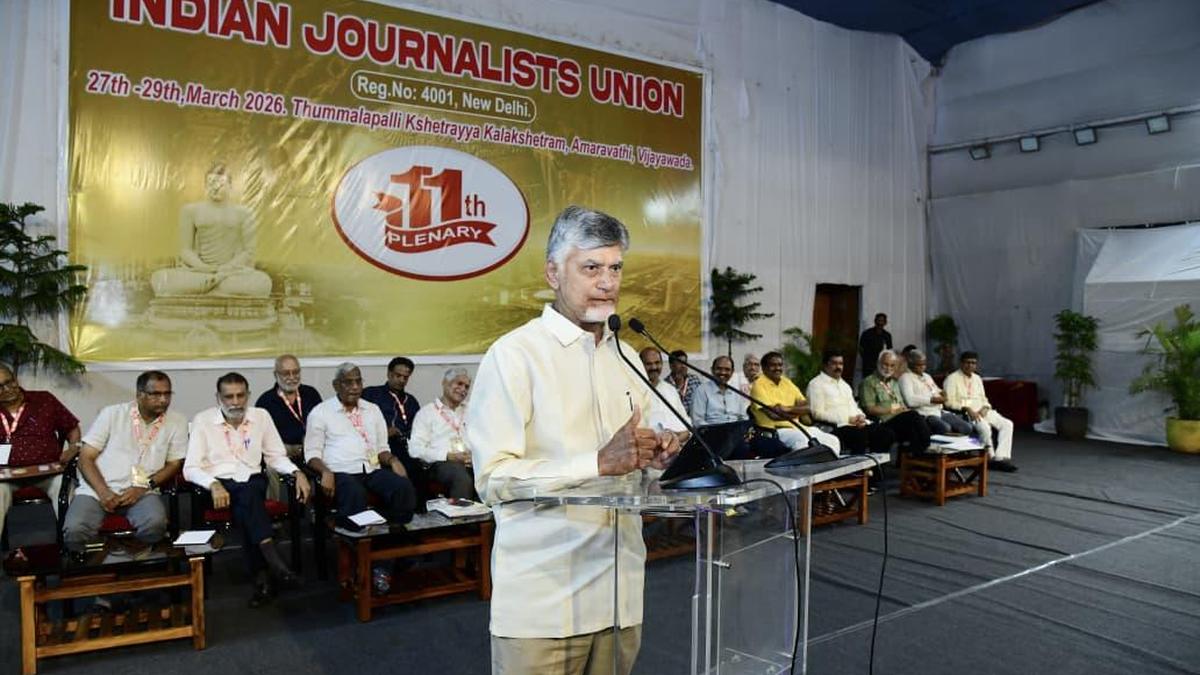
Andhra Pradesh Chief Minister N. Chandrababu Naidu recently spoke about the vital role of a free and ethical press in a healthy democracy. He emphasized that journalists are essential for keeping the public informed and holding those in power accountable. During his address, the Chief Minister urged media professionals to take the lead in the ongoing battle against fake news. He believes that the credibility of the media depends on its ability to provide accurate and honest information to every citizen.
Main Impact
The Chief Minister’s remarks highlight a growing concern about the quality of information in the digital age. By calling for an ethical press, he is pushing for a media environment where truth is valued over speed or clicks. This focus on ethics helps build trust between the government, the media, and the general public. When journalists commit to high standards, it strengthens the foundations of democracy by ensuring that voters have the facts they need to make informed choices. The push against fake news is intended to protect society from the confusion and harm that false stories can cause.
Key Details
What Happened
In a recent public gathering, Chief Minister N. Chandrababu Naidu discussed the current state of the media industry. He pointed out that while technology has made it easier to share news, it has also made it easier to spread lies. He stated that the press acts as a bridge between the government and the people. If this bridge is built on false information, the entire system suffers. He called on veteran journalists and new media creators alike to prioritize fact-checking and responsible reporting.
Important Numbers and Facts
The Chief Minister noted that millions of people now get their news from social media platforms. Because these platforms often lack the strict editing process of traditional newspapers, the risk of misinformation is high. He suggested that the media should act as a filter to stop rumors before they go viral. While no specific new laws were announced, the call for self-regulation within the media industry was a central part of his message. He reminded the audience that the press is often called the "fourth pillar" of democracy, sitting alongside the legislative, executive, and judicial branches.
Background and Context
To understand why these comments matter, it is helpful to look at how news has changed over the years. In the past, most people received their news from a few trusted television channels or daily newspapers. These organizations usually had teams of editors who checked every story for accuracy. Today, the internet allows anyone to publish content instantly. While this gives more people a voice, it also allows unverified or intentionally false stories to reach a large audience very quickly.
In India, the press has a long history of fighting for social change and justice. However, the rise of "clickbait" and sensationalism has made some readers lose faith in the news. By speaking about ethics, the Chief Minister is reminding the media of its original purpose: to serve the public interest. This conversation is happening not just in Andhra Pradesh, but all over the world as governments and societies struggle to handle the flood of digital information.
Public or Industry Reaction
Many journalists and media experts have welcomed the Chief Minister’s support for a free press. They agree that fake news is a serious threat to their profession. However, some media advocates also point out that for the press to be truly free, journalists must be able to work without fear of pressure or punishment. There is a general consensus that while journalists must be ethical, the government must also ensure a safe environment for reporters to do their jobs. Some industry leaders are calling for better training programs to help young reporters learn how to verify digital sources more effectively.
What This Means Going Forward
In the coming months, we may see more efforts from both the government and media houses to promote digital literacy. This means teaching the public how to tell the difference between a real news story and a fake one. There might also be a push for media organizations to create more transparent fact-checking departments. If journalists take the lead in fighting fake news, as the Chief Minister suggested, it could lead to a more informed and less divided society. The focus will likely remain on finding a balance between the speed of the internet and the accuracy required for professional journalism.
Final Take
A democracy is only as strong as the information its citizens receive. When the press is free to report the truth and ethical enough to reject lies, the entire country benefits. Chief Minister Naidu’s call to action serves as a reminder that everyone has a role to play in keeping the truth alive. Journalists must be the guardians of facts, and the public must be careful about what they choose to believe and share. Protecting the integrity of the news is a shared responsibility that ensures a fair and transparent future for everyone.
Frequently Asked Questions
Why is a free press important for democracy?
A free press is important because it keeps the public informed about what the government is doing. It allows journalists to report on problems and successes without fear, which helps hold leaders accountable to the people.
What is considered "fake news"?
Fake news refers to stories that are false or misleading but are presented as real news. These stories are often created to trick people, spread rumors, or influence political opinions for a specific gain.
How can journalists fight fake news?
Journalists can fight fake news by double-checking their sources, verifying facts with multiple experts, and refusing to publish stories just because they are popular or sensational. Being honest about mistakes also helps build trust with the audience.

