
Summary
Air travel in the Washington D.C. area is slowly returning to its normal schedule after a sudden safety scare. A strange chemical smell at a vital air traffic control center led officials to stop all flights in and out of the region. Emergency teams were called in to investigate the source of the odor and ensure the building was safe for workers. After a thorough check, experts found that the smell came from a single overheated circuit board, and they confirmed there was no ongoing danger to the public or staff.
Main Impact
The decision to halt flights, known as a "ground stop," had an immediate and widespread effect on travel across the United States. Because Washington D.C. is a major hub for both domestic and international travel, the pause caused a chain reaction of delays. Even though the facility has reopened and planes are moving again, the backlog of flights is significant. Travelers are being warned that flight schedules may remain unpredictable through the upcoming weekend as airlines work to get crews and planes back into their correct positions.
Key Details
What Happened
The incident began when employees at a key air traffic control facility noticed a strong, chemical-like odor inside the building. To keep the workers safe, the facility had to limit its operations while emergency responders searched for the cause. During this time, air traffic controllers could not manage the usual volume of planes, leading to the total ground stop for the region's major airports. Firefighters and technical teams inspected the ventilation systems and electrical rooms to find the source of the problem.
Important Numbers and Facts
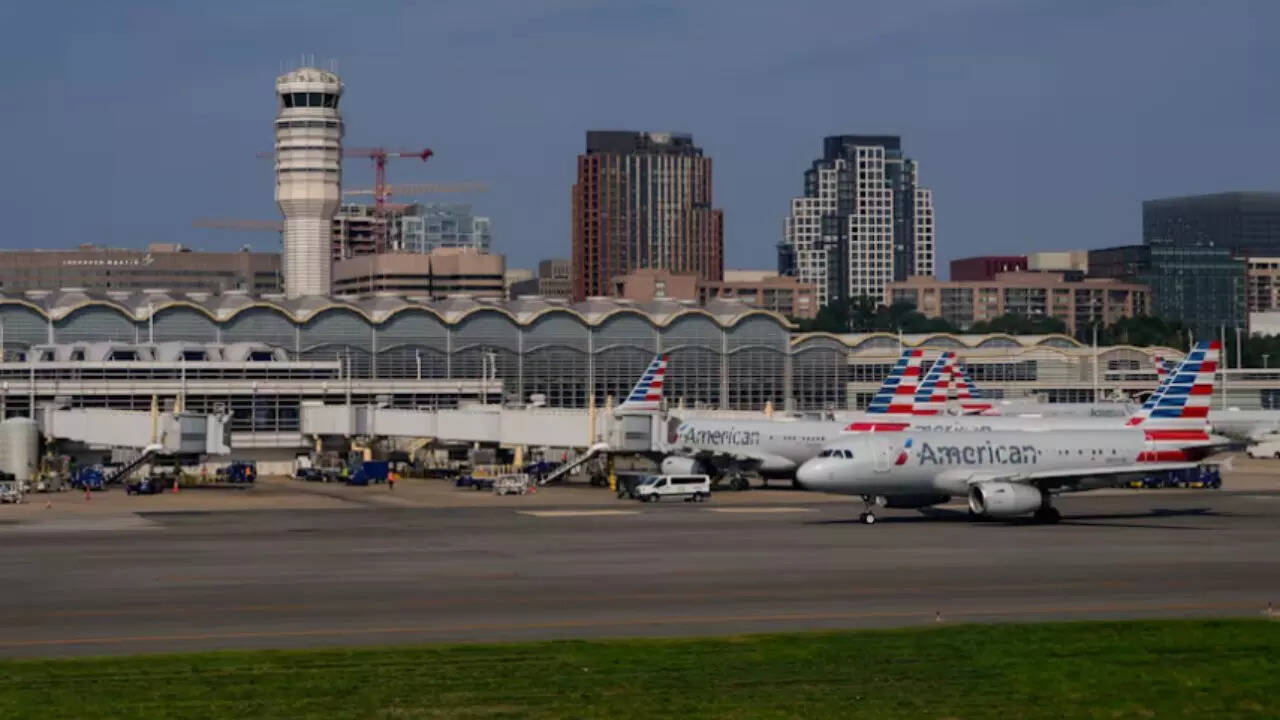
The investigation centered on the Potomac Terminal Radar Approach Control facility, which handles thousands of flights every day. The technical failure was traced back to one overheated circuit board in a piece of electronic equipment. While the ground stop lasted only a few hours, it affected hundreds of scheduled flights at Reagan National Airport, Dulles International Airport, and Baltimore/Washington International Thurgood Marshall Airport. Officials expect that it will take at least 48 hours for flight patterns to return to their regular timing.
Background and Context
Air traffic control facilities are the invisible backbone of the aviation industry. The specific facility involved in this incident is responsible for guiding planes as they climb after takeoff or descend for landing. Because the airspace around the nation's capital is some of the most restricted and busy in the world, any problem at this facility is treated with extreme caution. A chemical smell can sometimes signal an electrical fire, which would be a major disaster in a room filled with sensitive computers. In the interest of safety, the Federal Aviation Administration (FAA) often chooses to stop flights entirely rather than risk a more serious emergency.
Public or Industry Reaction
Airlines reacted quickly by sending alerts to passengers through mobile apps and email. Many travelers found themselves waiting on the tarmac for hours, while others were stuck in terminal lounges. On social media, passengers shared their frustration, but many also expressed relief that the authorities were taking safety seriously. Industry experts noted that while a circuit board failure seems like a small issue, the high standards for safety in aviation mean that even a small smell must be treated as a potential fire. Airlines are now asking passengers to check their flight status before leaving for the airport to avoid further crowding at the gates.
What This Means Going Forward
In the coming days, technical teams will likely perform a full review of the equipment at the control center to prevent another failure. This incident highlights how much the entire travel system relies on a few specific buildings and pieces of technology. The FAA will likely look into why a single circuit board caused enough of a smell to trigger a full evacuation or ground stop. For travelers, the immediate future involves checking for updates frequently. If you have a flight planned for this weekend, you should be prepared for potential gate changes or late departures as the system recovers from the temporary shutdown.
Final Take
This event serves as a reminder of how quickly modern travel can be disrupted by small technical problems. While the smell turned out to be a minor electrical issue, the rapid response shows that safety protocols are working as intended. It is always better to face a delay on the ground than to have an emergency in the air. As operations return to normal, the focus remains on keeping the skies safe and getting passengers to their destinations as quickly as possible.
Frequently Asked Questions
Why were flights stopped in Washington D.C.?
Flights were stopped because of a chemical smell at an air traffic control center. Officials had to pause operations to make sure there was no fire or health risk to the workers who guide the planes.
What actually caused the chemical smell?
The smell was caused by a single circuit board that overheated. This created a strong odor that spread through part of the facility, but emergency teams found no actual fire or danger.
Will my flight still be delayed?
It is possible. Even though the airports are open, the earlier shutdown caused many planes to be out of place. Delays may continue through the weekend, so you should check with your airline for the latest updates.

