Summary
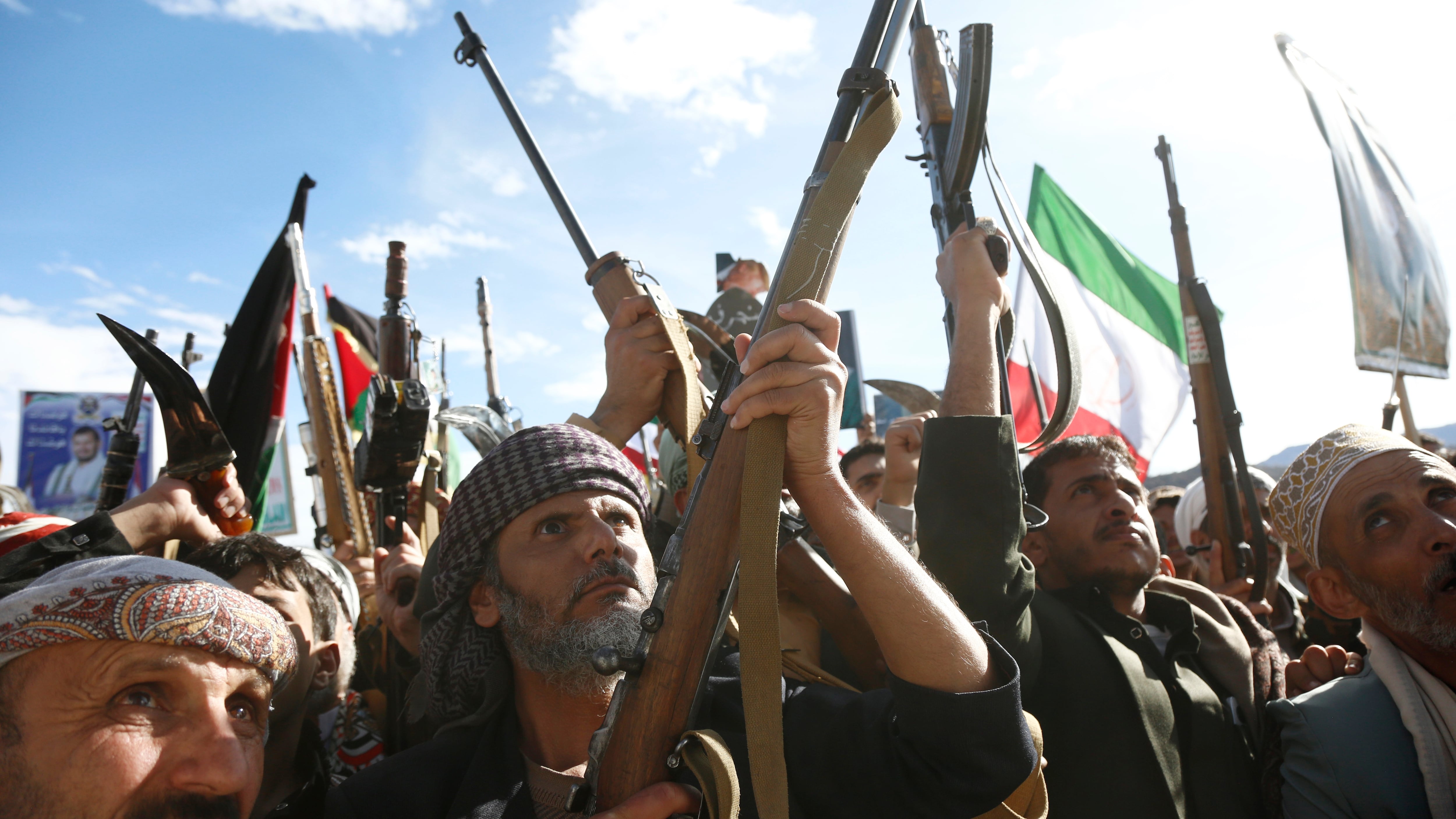
The military conflict involving the United States, Israel, and Iran has reached a critical 30-day mark. While U.S. President Donald Trump has publicly stated that the war is nearly over, recent events suggest the violence is actually spreading. The situation took a sharp turn this weekend when Houthi rebels from Yemen joined the fight by launching missiles at Israel. This expansion of the conflict creates new risks for the entire Middle East and makes a quick resolution seem unlikely.
Main Impact
The primary impact of this month-long offensive is the total destabilization of regional security. By targeting the highest levels of Iranian leadership, the U.S. and Israel have removed the central figures who controlled Iran’s military strategy. However, this has not led to an immediate peace. Instead, it has triggered a chain reaction where smaller groups, often supported by Iran, are now acting on their own. The entry of the Houthi rebels into the direct fight against Israel marks a dangerous new phase where the war is no longer contained within Iranian borders.
Key Details
What Happened
About one month ago, the United States and Israel launched a massive military campaign against Iran. The offensive began with a series of heavy air strikes designed to take out key government and military targets. The most significant moment of the campaign was the death of Ali Khamenei, Iran’s Supreme Leader, who was killed during the initial wave of bombings. Since then, the U.S. administration has maintained that the Iranian government is collapsing and that the war will end soon. However, on Saturday, March 28, the Houthi rebels in Yemen fired missiles toward Israel for the first time in this specific conflict, proving that Iran’s allies are still capable of fighting back.
Important Numbers and Facts
The conflict has now lasted for 30 days, far longer than some early predictions suggested. During this time, hundreds of targets across Iran have been hit by air strikes. The U.S. military has deployed significant naval and air assets to the region to support the offensive. On the other side, the Houthi rebels have shown they possess long-range missile technology that can reach Israeli territory from Yemen. This adds a second front to the war, forcing Israel to defend its borders from both the north and the south simultaneously.
Background and Context
To understand why this is happening, it is important to look at the long history of tension between these nations. For years, the U.S. and Israel have viewed Iran as a major threat because of its nuclear program and its support for armed groups in other countries. President Trump and Prime Minister Netanyahu have often argued that a "maximum pressure" strategy was the only way to stop Iran. This current war is the most extreme version of that strategy. The goal was to quickly remove the Iranian leadership and force a change in how the country is run. While they succeeded in killing the top leader, the resulting power vacuum has created a chaotic environment where nobody is fully in control.
Public or Industry Reaction
The international community is deeply divided over these events. Some political leaders in the U.S. and Israel praise the military for its precision and for removing a long-time enemy. They believe this will eventually lead to a safer world. However, many other countries and international organizations are worried about a humanitarian crisis. Global markets are also reacting with concern, as any war in the Middle East usually causes oil prices to rise. Shipping companies are particularly worried about the Houthi involvement, as Yemen sits next to a vital sea route used for international trade. If the Houthis continue their attacks, it could disrupt the movement of goods around the world.
What This Means Going Forward
The next few weeks will be vital in determining if this war truly is "almost finished" or if it will turn into a long-term regional struggle. If more groups in countries like Lebanon or Iraq join the fight, the U.S. and Israel may find themselves stuck in a much larger conflict than they planned for. There is also the question of who will lead Iran now that the Supreme Leader is gone. Without a clear government to negotiate with, a formal peace treaty is difficult to achieve. The U.S. military will likely stay in the region for a long time to manage the fallout and protect its allies from retaliatory strikes.
Final Take
Removing a leader is often the easiest part of a war, but managing the chaos that follows is much harder. While the U.S. and Israel have shown their military strength, the entry of new players like the Houthis shows that the conflict is far from settled. True victory will require more than just air strikes; it will require a plan for what happens after the smoke clears.
Frequently Asked Questions
Who was killed in the initial attacks on Iran?
The most prominent figure killed was Ali Khamenei, the Supreme Leader of Iran. He was the top political and religious authority in the country.
Why are the Houthi rebels involved?
The Houthis are a group in Yemen that has long been supported by Iran. They are attacking Israel to show support for Iran and to retaliate against the U.S.-led offensive.
Is the war expected to end soon?
While President Trump says the war is nearly over, the recent missile attacks from Yemen and the lack of a new Iranian government suggest that the conflict could continue for some time.